- Fri, Feb 5, 2027
- Fiera Milano Rho
- Day before MIDO

Celebrating the past.Engineering the future.
For its 25th edition, MAFO – The Conference puts lens makers, machine builders and researchers in one room for a day of talks on how ophthalmic lenses will be made, measured and fitted.
- Alloy-free surfacing
- Fluidic shaping
- Myopia management
- AI quality control
- Autofocus eyewear
- Eye-tracking ethics
- Remote refraction
- Industry 4.0 standard
- Lens density
One day. 9 talks. The technology behind every lens.
From alloy-free surfacing and AI-driven quality control to myopia management and eye-tracking ethics: the 2027 program follows a lens from the machine to the wearer.
- Event
- MAFO – The Conference, 25th edition
- Date
- Friday, February 5, 2027
- Venue
- Fiera Milano Rho, Milan
- Context
- The day before MIDO
- Language
- English
- Program
- 9 talks, 11 speakers, audience award

Lens makers, machine builders and researchers in one room.
MAFO – The Conference
2027 Topics & Speakers
Friday, February 5, 2027, Fiera Milano Rho

No alloy. Fewer process steps. No consumables. Shorter cycle times. The promise of alloy-free surfacing is compelling. Yet existing blockless concepts have fallen short of being a true replacement – limited in application, speed and quality. Why? Because they lack the mechanical support needed to prevent lens deformation during machining.
Hybrid Linking Technology takes a different approach. It combines clean, consumable-free vacuum fixation with an adaptable support that conforms to the lens surface and provides the required mechanical stability.
This lecture explores how this support makes the difference: eliminating alloy blocking, curing, deblocking and tape-stripping while introducing just one new process component – without changing the overall production architecture. Existing equipment, know-how and investments are preserved, allowing labs to transition gradually toward a leaner, more efficient surfacing process.

Conventional lens manufacturing discards up to 97% of the material. Fluidic Shaping offers a zero-waste alternative, utilizing surface tension and neutral buoyancy to form optical surfaces from liquid polymers, eliminating grinding and polishing.
In this talk, I will introduce the fundamentals of Fluidic Shaping and its capability to produce complex optics, including meniscus lenses and spherocylindrical prescriptions. I will then present the latest advancement, which enables the manufacturing of lenses directly into the exact footprint of the customer’s eyewear rims. By calculating a varying edge-height for a 3D-printed boundary frame submerged in an immersion liquid, the polymer naturally settles into the target prescription within this custom shape. I will discuss our experimental validation and showcase fabricated lenses that fit directly into commercial frames without mechanical edging, demonstrating a zero-waste manufacturing solution for eyeglasses.

Myopia is one of the fastest-growing public health challenges worldwide. Although myopia management has advanced significantly over last decade, opportunities remain to delay onset, personalize treatment, and improve long-term outcomes.
This presentation will review evidence-based prevention and management strategies, focusing on optical interventions and emerging spectacle lens technologies, including Highly Aspherical Lenslet (HAL) lenses. It will explore combination therapies, personalized treatment pathways, and integrated models of care. The growing role of digital tools and advanced instrumentation in risk prediction, early detection, treatment selection, and patient monitoring will also be discussed.
Beyond controlling eye growth, future approaches will increasingly emphasize preventing myopia onset and preserving lifelong ocular health by reducing the risk of complications associated with high myopia. Advances in science, clinical evidence, and public health are enabling earlier intervention, more precise risk stratification, and individualized care. The future of myopia management lies in proactive, patient-centered, evidence-based strategies that support lifelong ocular health.


Satisloh and A&R have joined forces to create one integrated AI powered platform that collects and measures data throughout the ophthalmic manufacturing process and turns it into actions to improve efficiency, throughput, quality and sustainability.
The speakers will demonstrate how data is collected from various sources including LMS, MES, machine sensors and optical and cosmetic inspection systems. They will then elaborate how this data is analyzed and converted into dashboards allowing effective optimization of a lab’s operation and quality by humans and, ultimately, powerful AI agents.

Presbyopia is a dynamic problem, yet every established correction – progressives, multifocal contacts, extended depth-of-focus IOLs – is static. Each asks the wearer to accept trade-offs in field of view, contrast or depth perception. This talk describes ten years of R&D toward a dynamic alternative: eyewear that restores focus at every distance by changing lens power in real time.
Two systems make this possible. The first is a multi-element lens system, designed with a custom optimizer and manufacturing workflow, that delivers up to +3.00 D of add in 0.25 D steps and is fully customizable to the wearer's prescription. The second is an onboard neural network that tracks oculomotor behavior from inward-facing cameras and estimates gaze depth fast enough to refocus in under 100 ms.
We will discuss the engineering constraints this demands, why the optimizer also improves single-vision and progressive designs, and how natural eye-movement data opens new applications beyond refraction.


The staged dialogue explores the potential and ethical challenges of eye-tracking in head-mounted displays and offers solutions to the linked tensions. As a powerful yet disruptive technology, advanced gaze analysis enables intuitive human-computer interaction; yet it enables real-time insights into users' cognitive processes, intentions and traits, thereby threatening individual autonomy and liberty.
The aligning privacy paradox – citizens generally value privacy and data sovereignty yet routinely bypass consent protocols and remain unaware of big data risks – was scrutinized by the speakers in two empirical studies conducted at Gamescom 2025 & 2026. Considering their findings, they created an Ethics-by-Design-framework, which serves to integrate innovation with democratic values. The combination of differential privacy, visceral cues and regulatory standards facilitates the ethical utilization of eye-tracking, thereby offering European manufacturers a strategic competitive advantage.

Artificial intelligence, automated refraction and self-service vision tests are changing how we measure and correct refractive errors. Remote refraction allows eye care professionals to work from another location. Liquid crystal lenses, light field technology and adaptive spectacle lenses offer new ways to test and correct vision. What is already available? What is possible? And where are the limits?
This talk reviews current technologies and the evidence behind them. It asks how the roles of eye care professionals, patients and technology are changing. What information do we still need to find a suitable prescription that is comfortable to wear? We will look at optical measurements, visual perception and how the two eyes work together.
Finally, we will explore “refraction without words”. How can we replace spoken answers? Can the eyes’ natural responses help us choose the right correction? And how might this change the way we think about refraction?

The Vision Council formed the Industry 4.0 Committee to complement the widely used Data Communication Standard (DCS) for job data exchange in lens manufacturing by adopting an Industry 4.0 Standard. This new standard establishes a method of interfacing between devices, Lab Manufacturing System (LMS), Manufacturing Execution System (MES), and any other services to exchange transactional or time-series data (e.g. process parameters, inspection data, sensor data, machine status) for the purpose of monitoring and controlling device health and performance (e.g. OEE, availability, quality).
The objective is to optimize production beyond DCS’s transactional focus. Aligning with EU Data Act and EU Cyber Resilience Act requirements, the standard will cover data accessibility and secure-by-default configurations. The presentation introduces a concise overview of the latest draft version of the Industry 4.0 Standard.

Lens Density defines the next engineering frontier in ophthalmic manufacturing: maximizing the number of good lenses produced per hour, per square meter. Reaching this goal requires two complementary advances.
First, asynchronous inspection can verify lens quality, optical properties and identification before edging, preventing unsuitable or unrecognized lenses from interrupting downstream production. Second, new mechanical cutting technologies can push both peak throughput and real-production throughput beyond today’s limits, maintaining exceptionally high processing speeds across diverse job mixes, including demanding materials and highly slippery coatings.
It is time to challenge today’s productivity limits and redefine how fast an optical laboratory can truly perform.
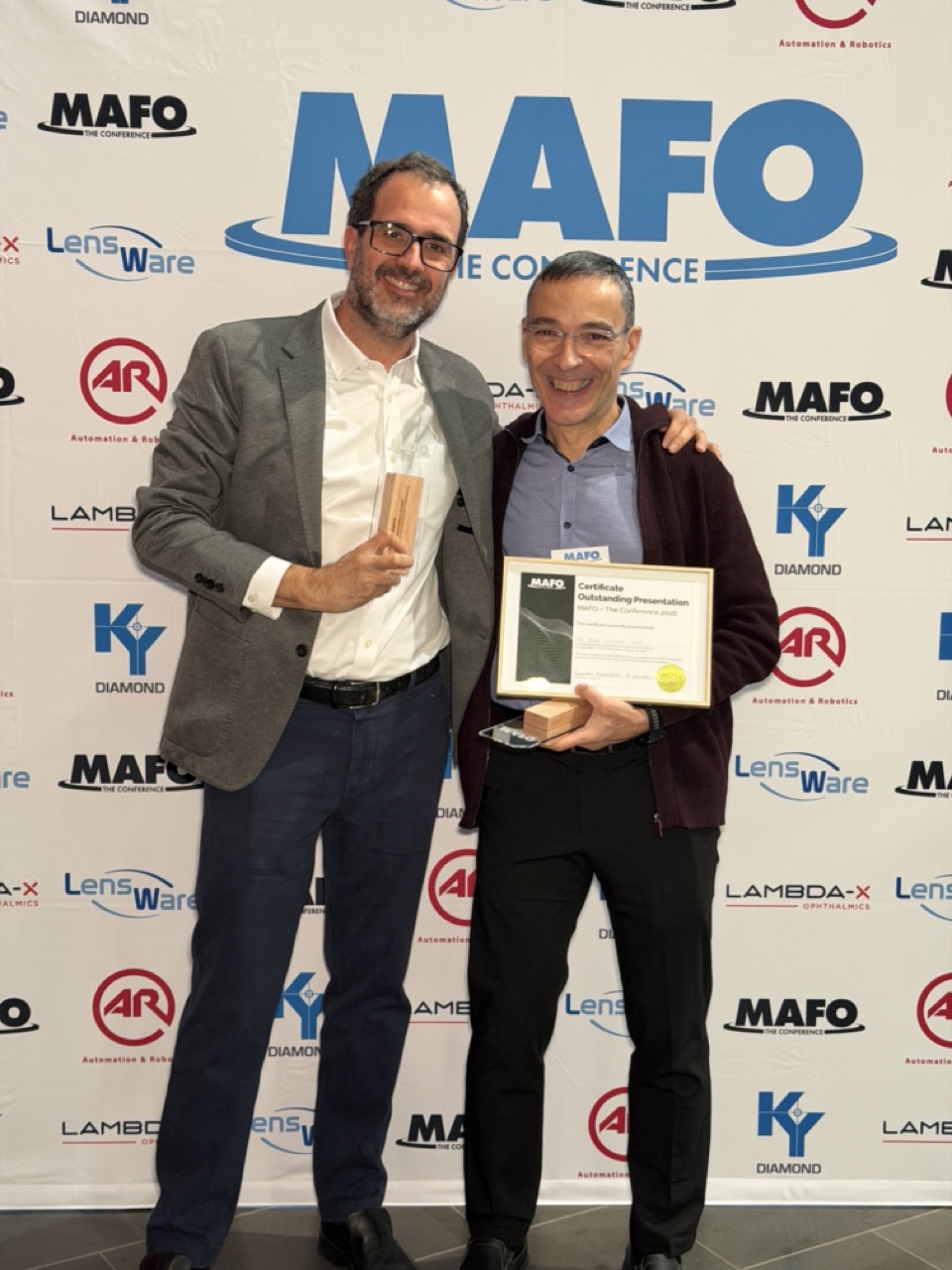
Audience award
Attendees vote for the best presentation of the day. The audience decides who gets the award.
Award handover at MAFO 2026
Good talks. Good food.
We take care of your well-being. Between sessions you can recharge, enjoy a bite and a drink, and carry on the conversations that started on stage.


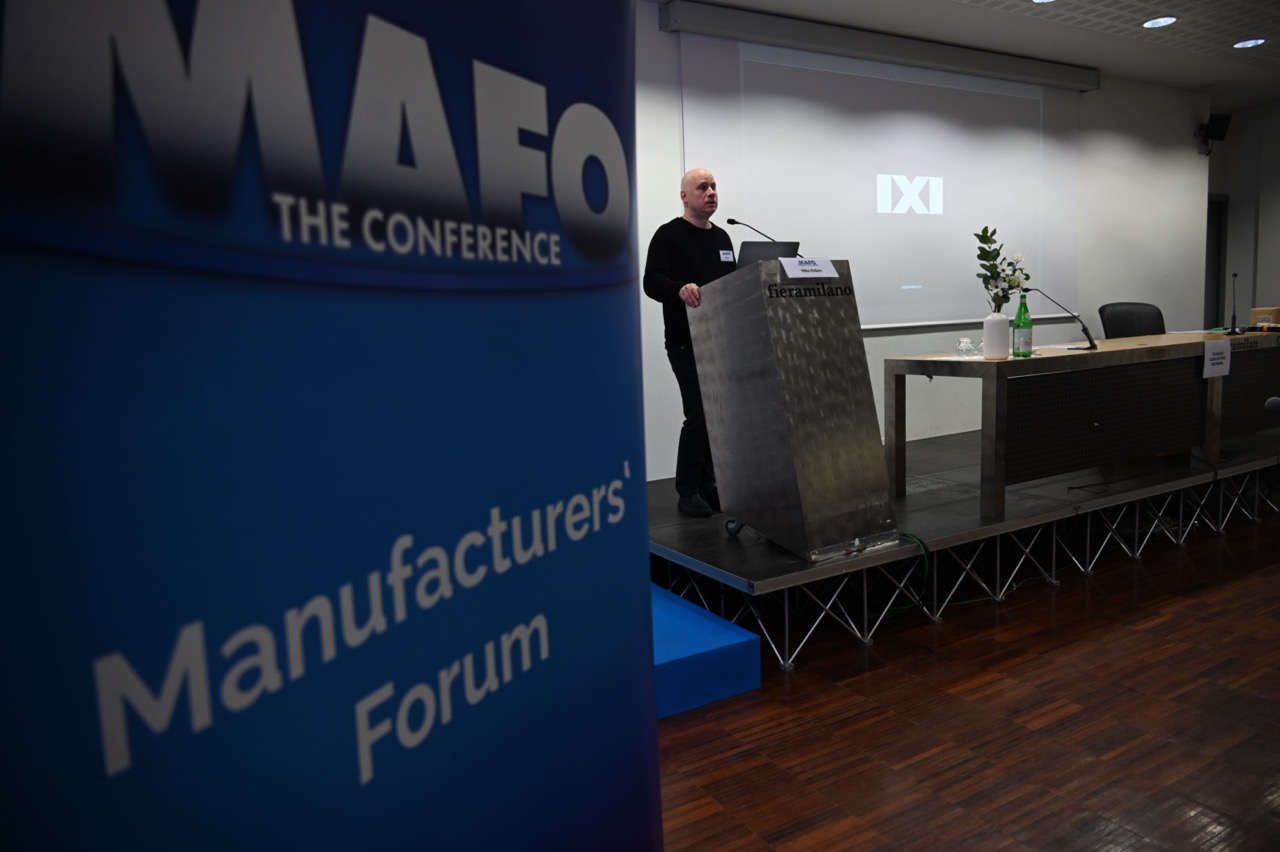
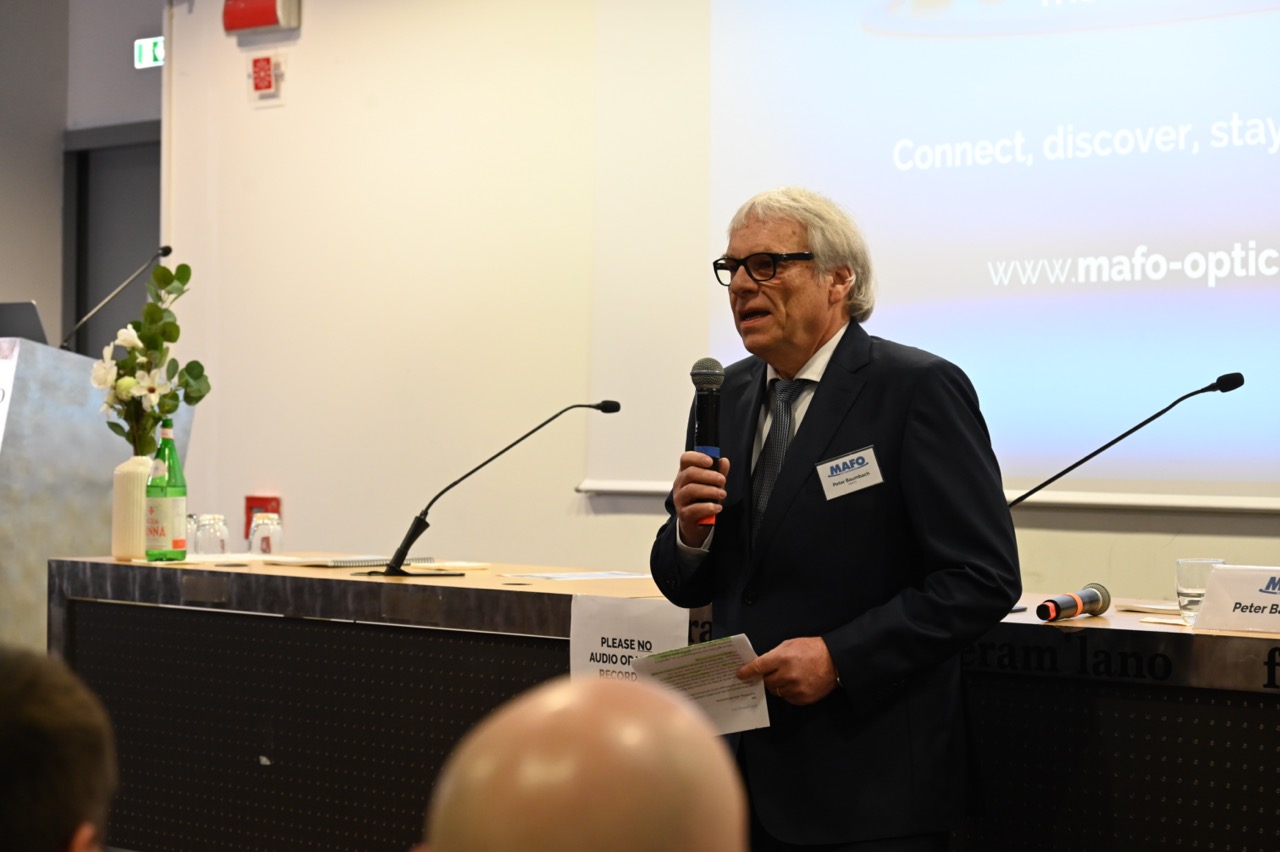
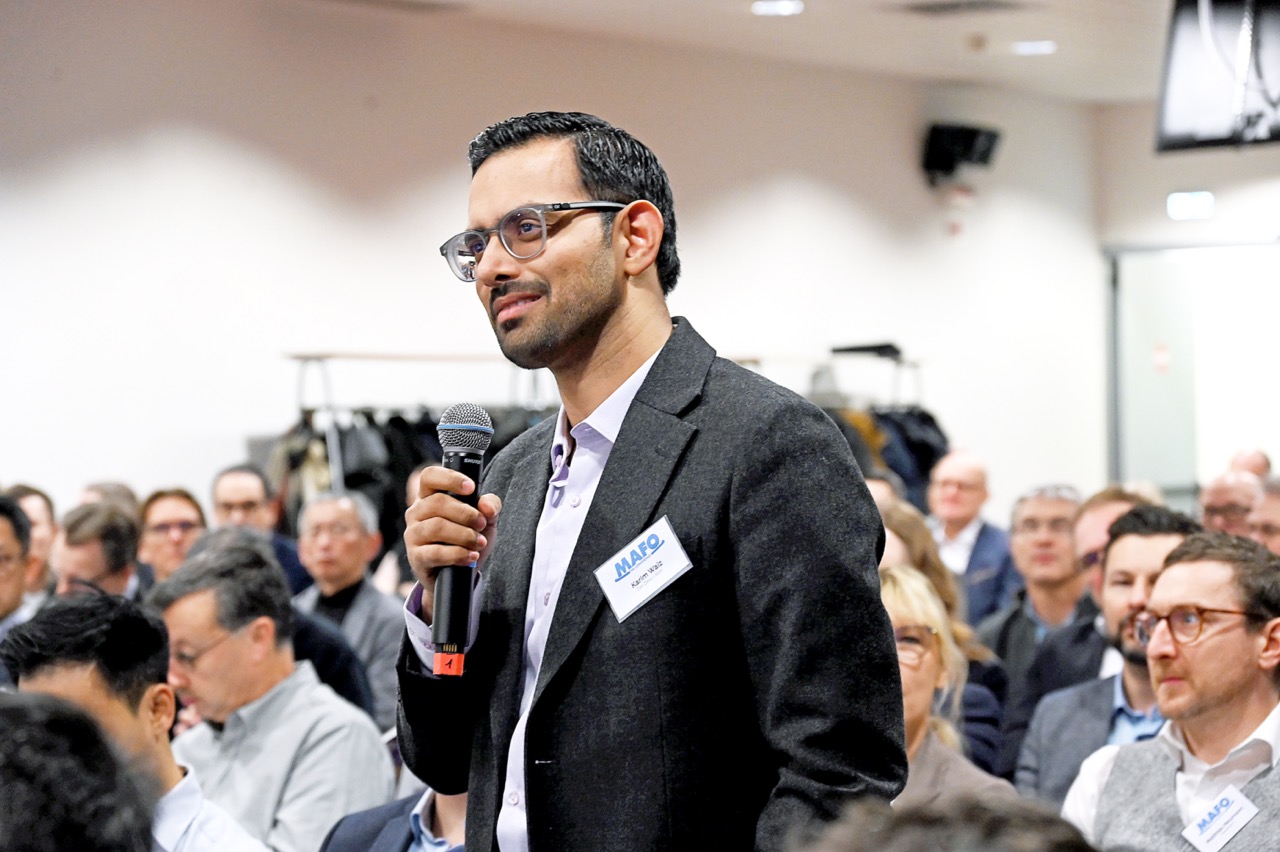
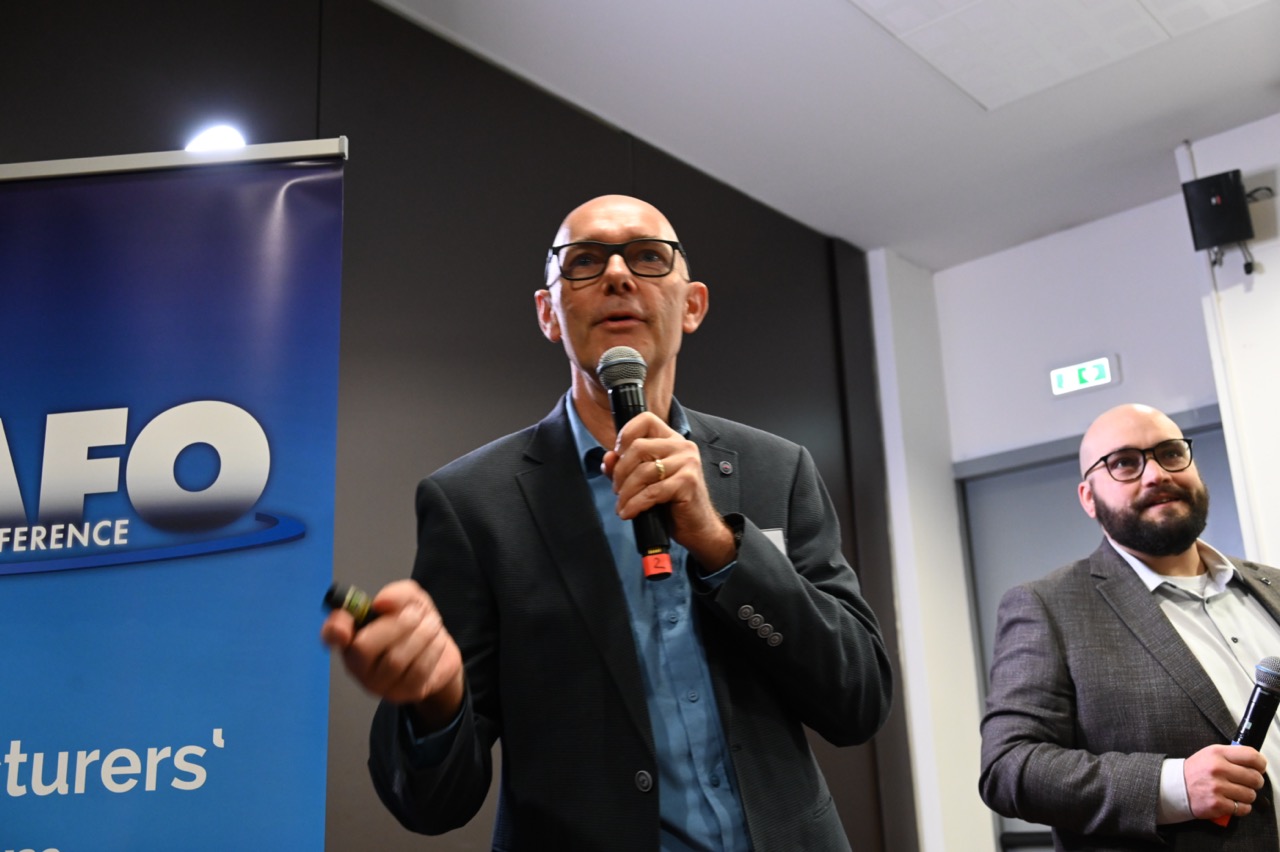
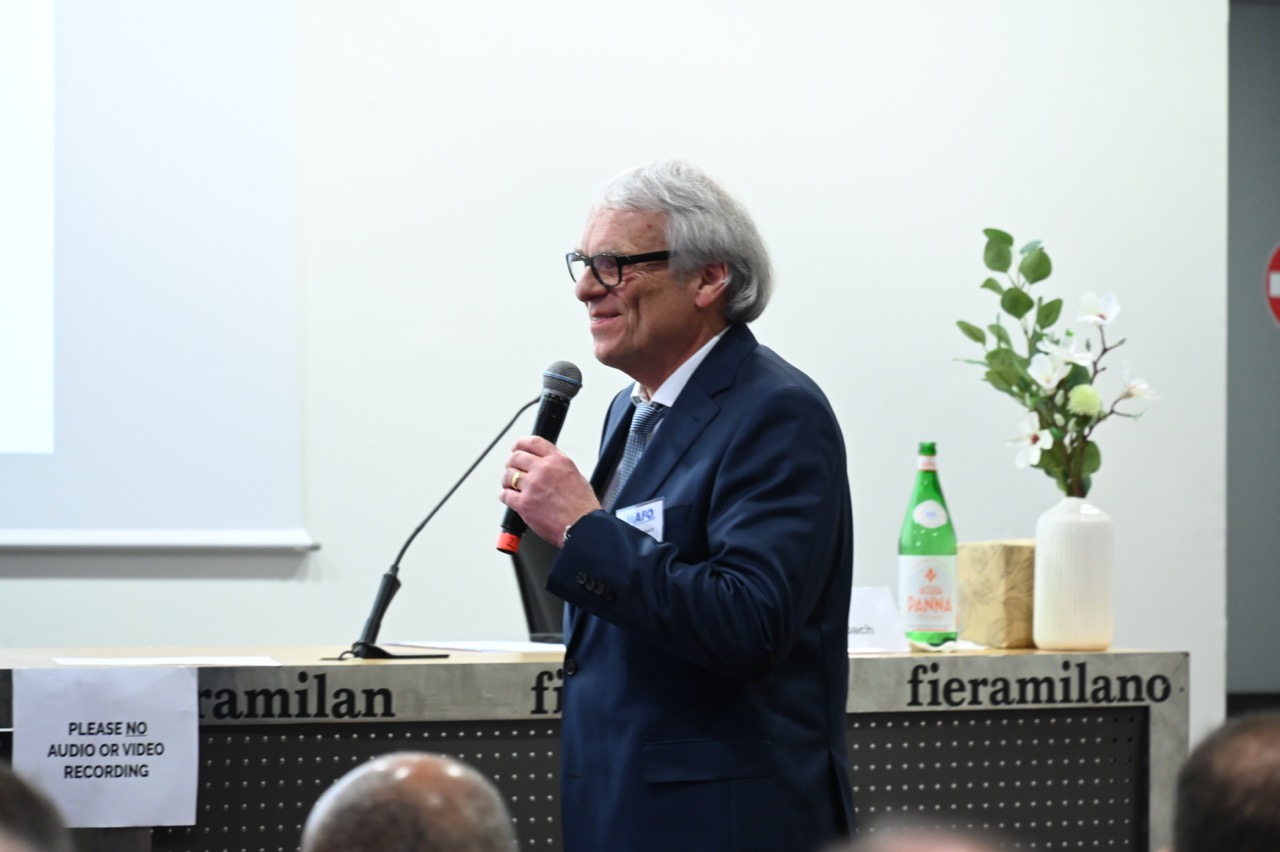
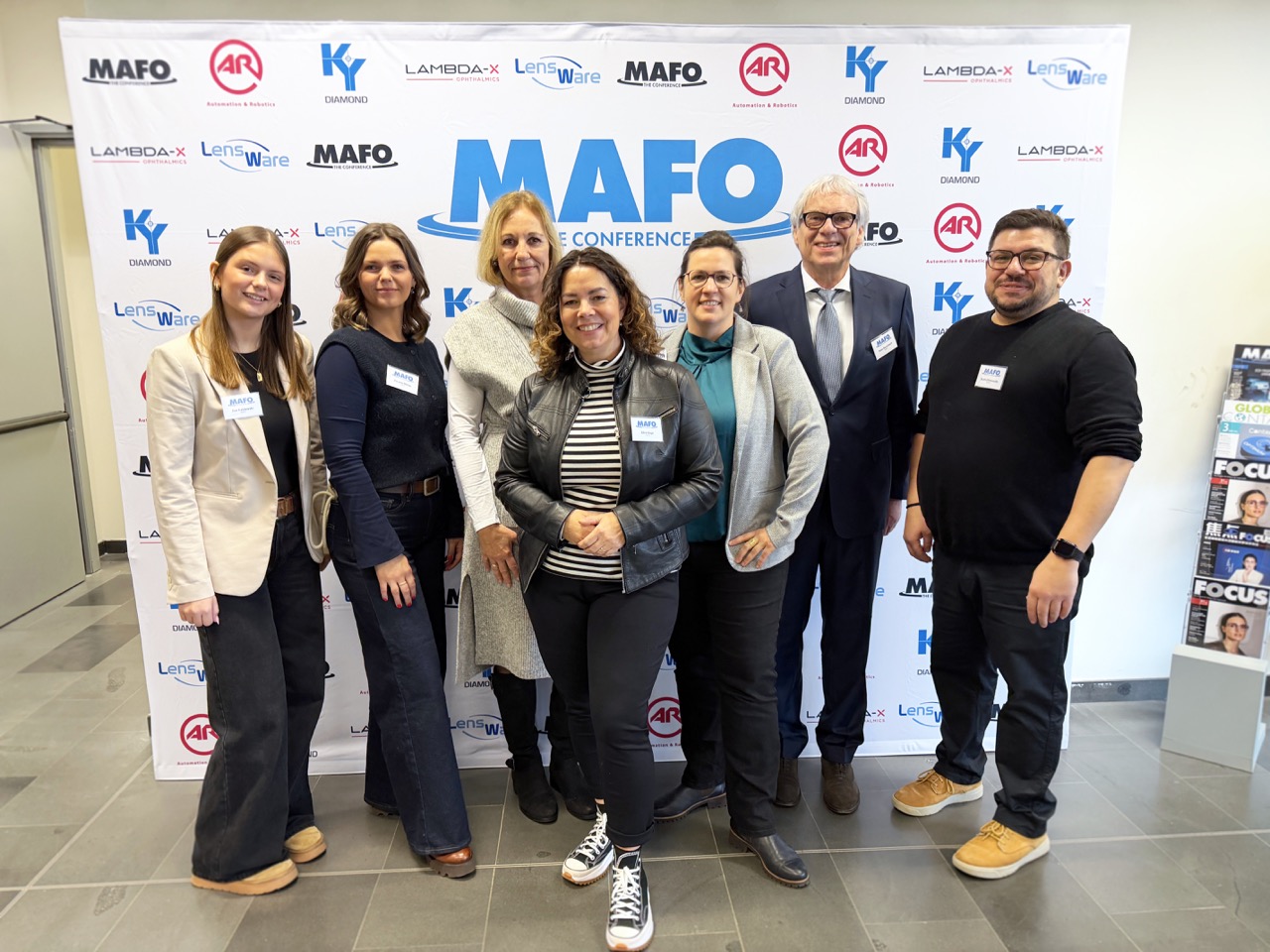
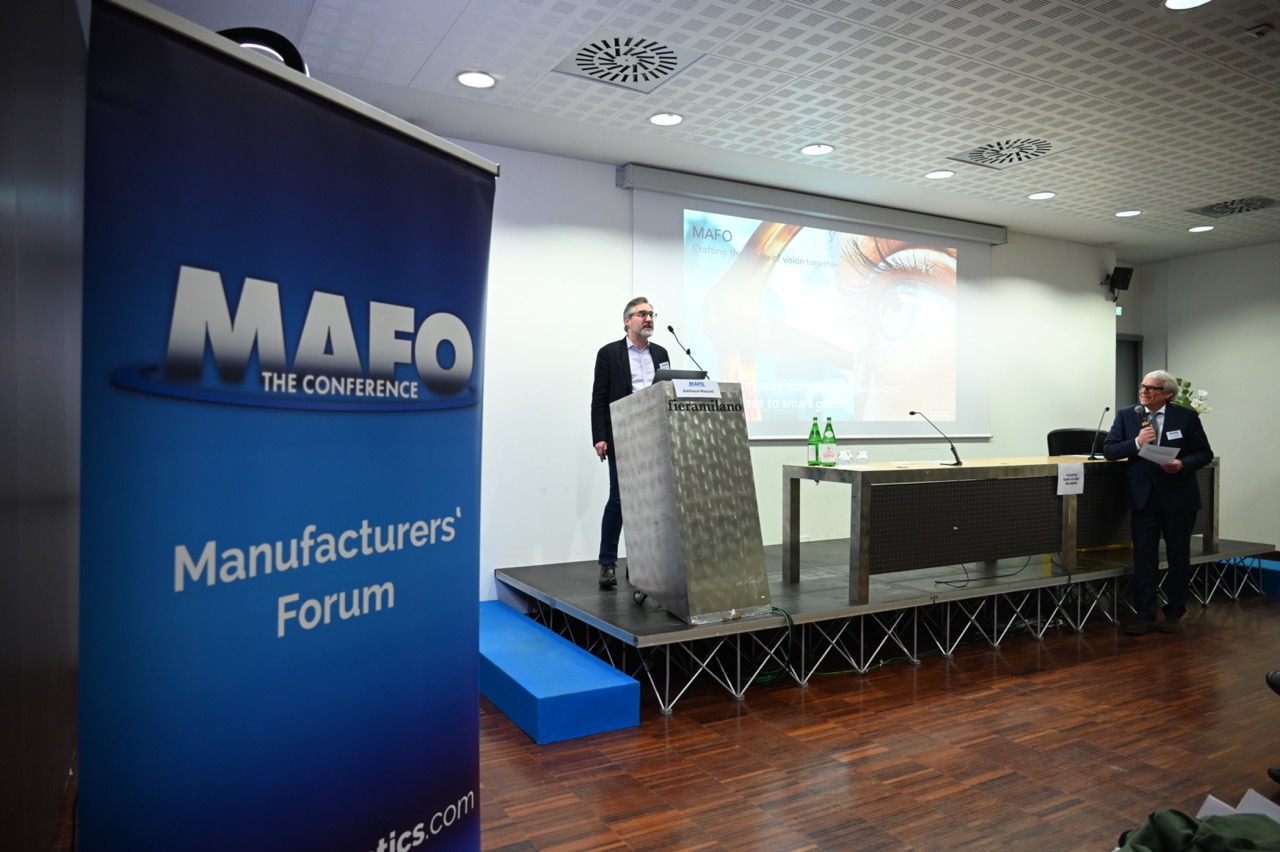
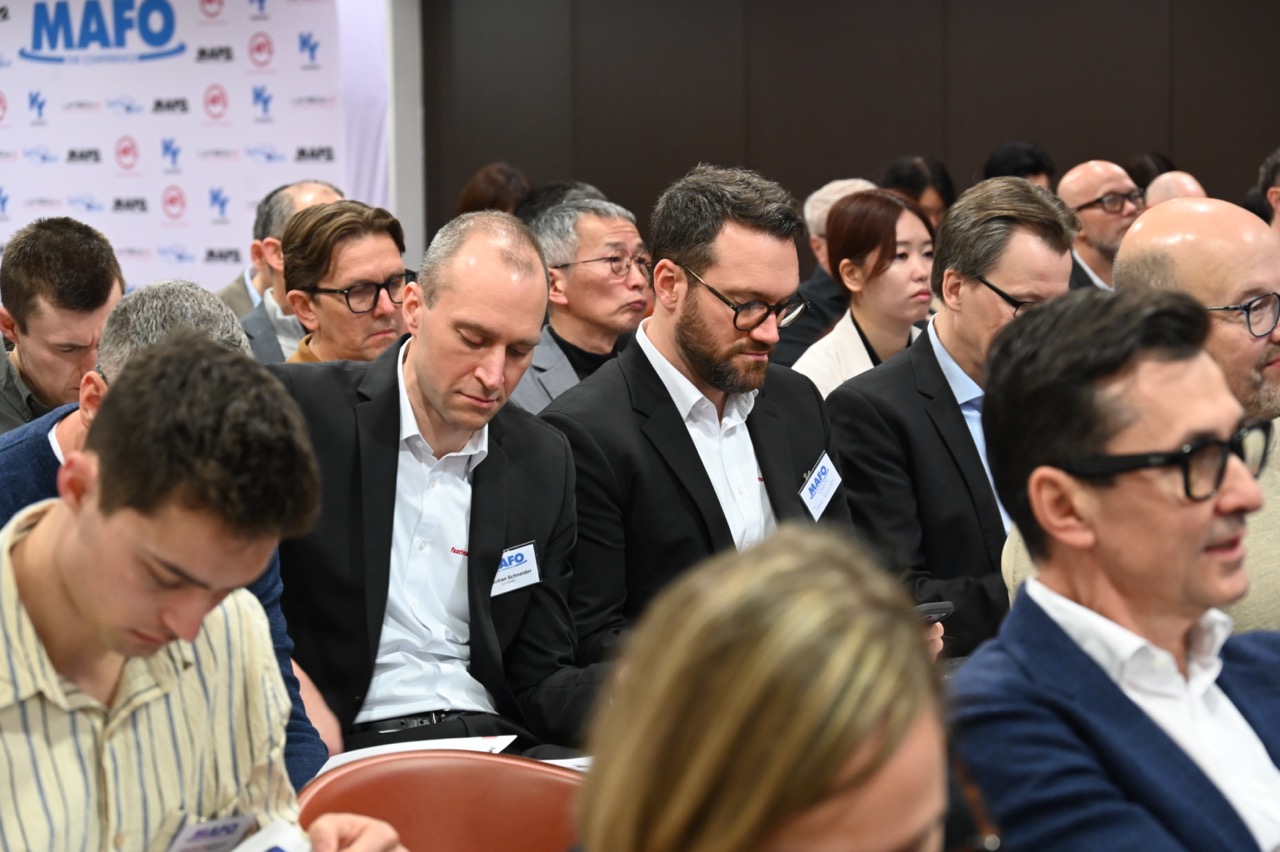
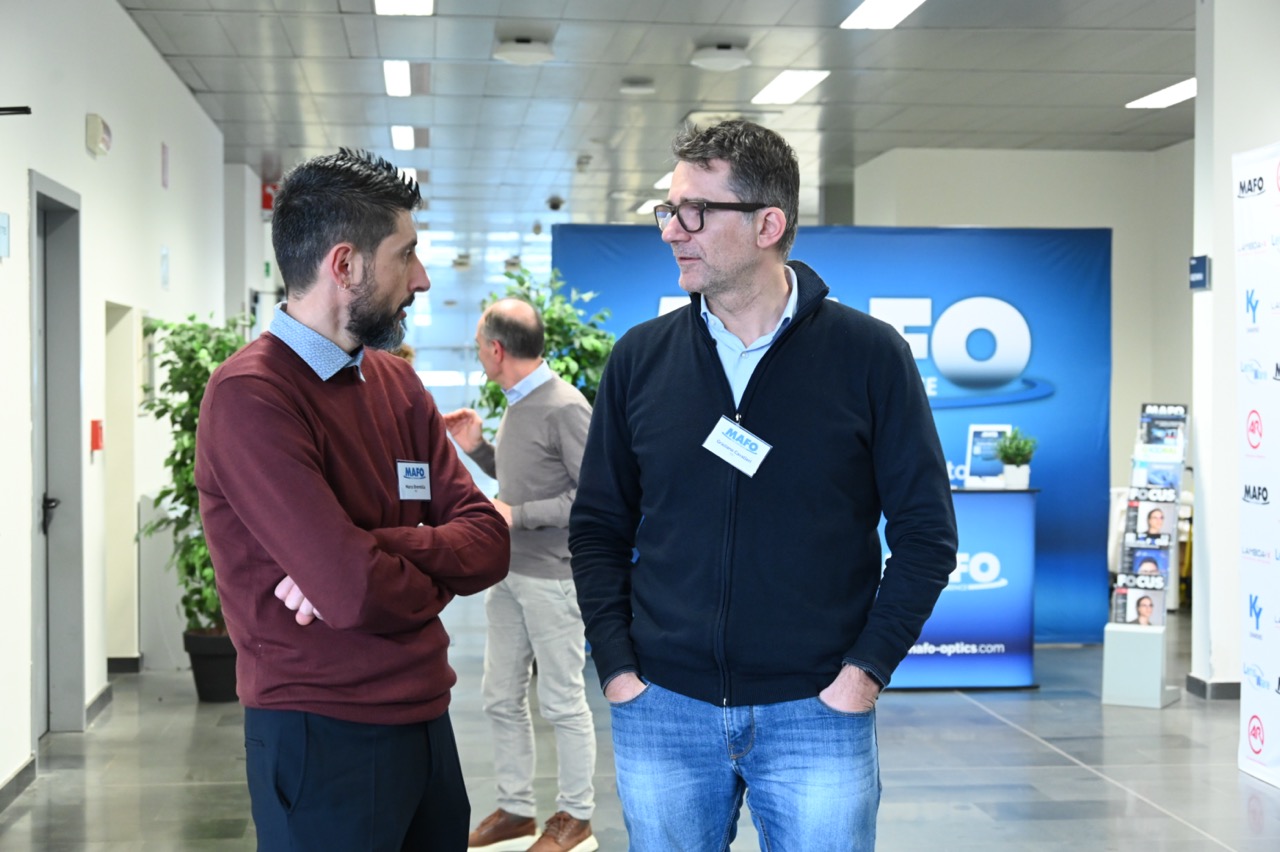
MAFO 2026 in pictures
Last year’s conference at Fiera Milano.
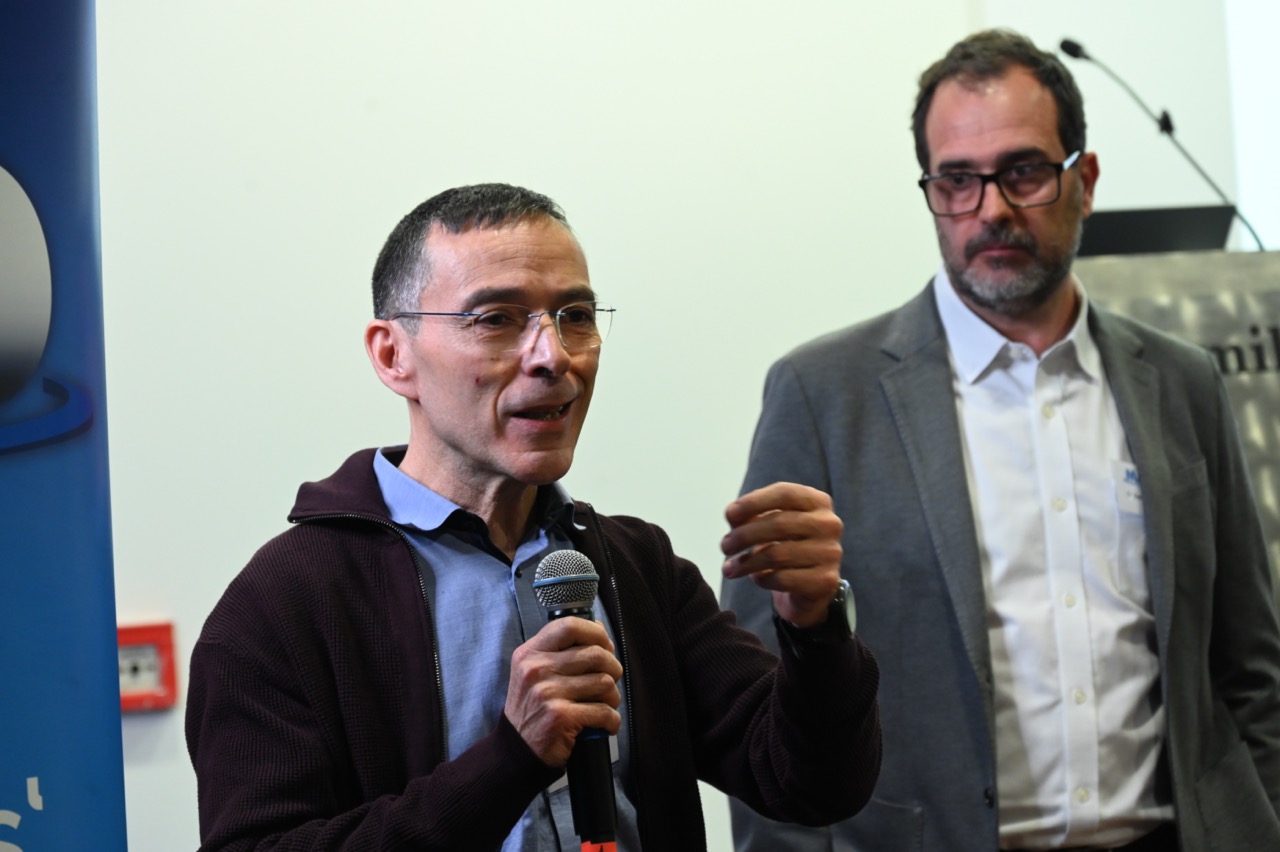
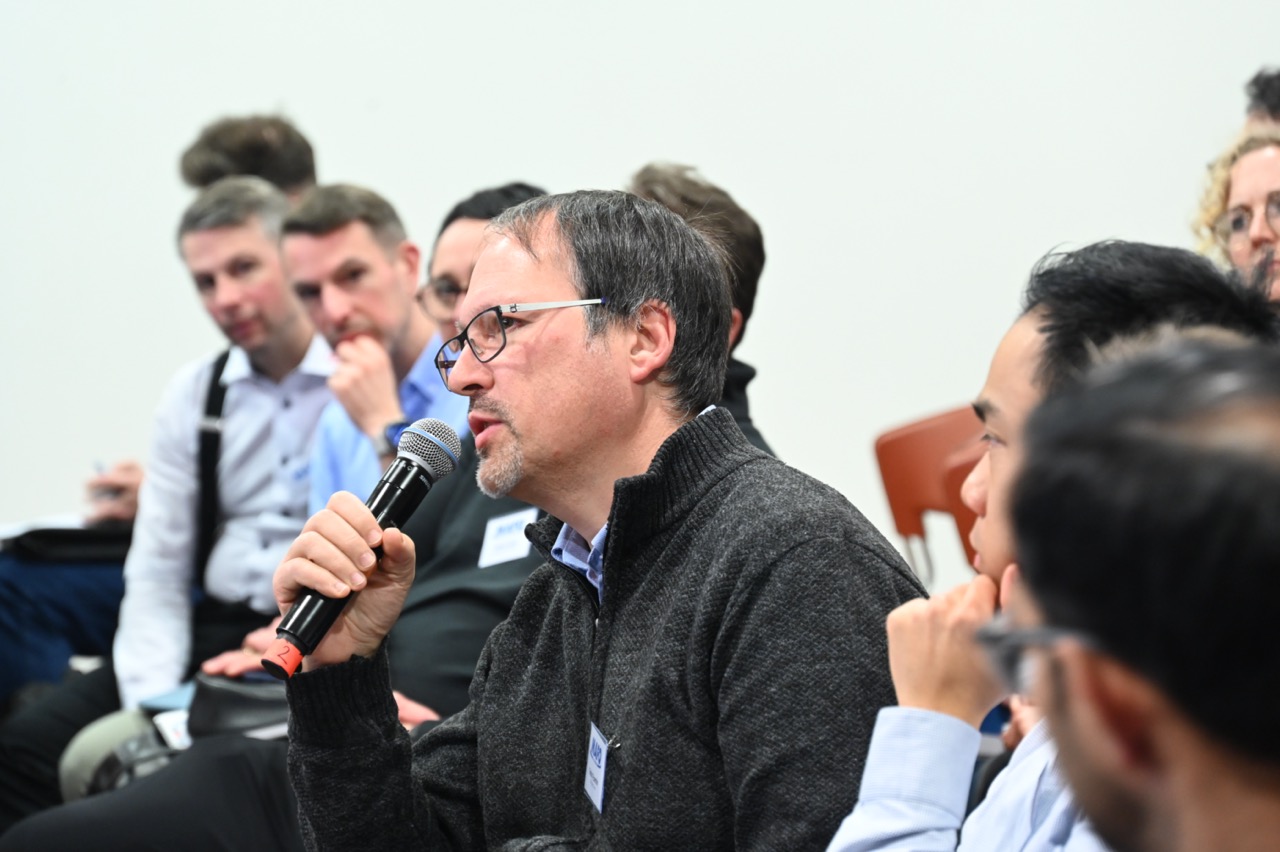
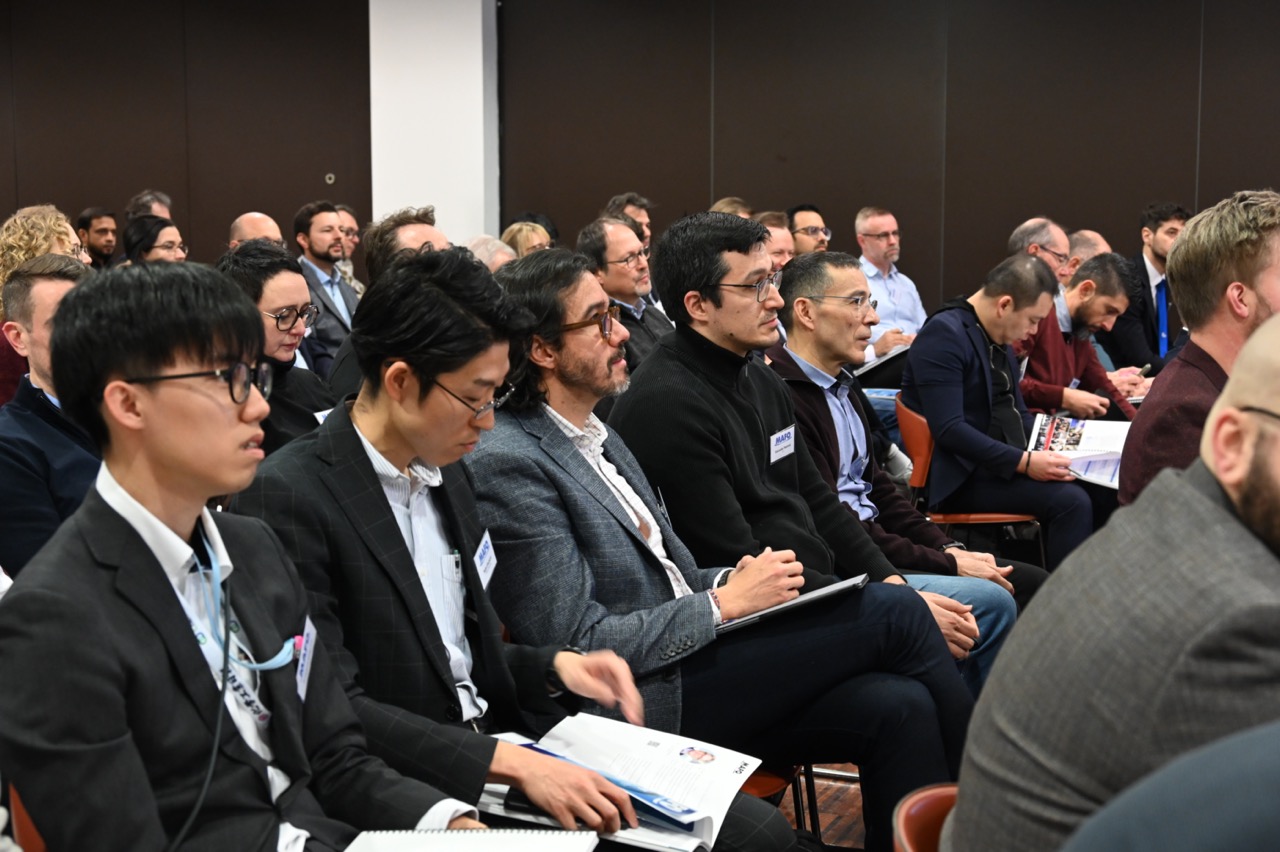
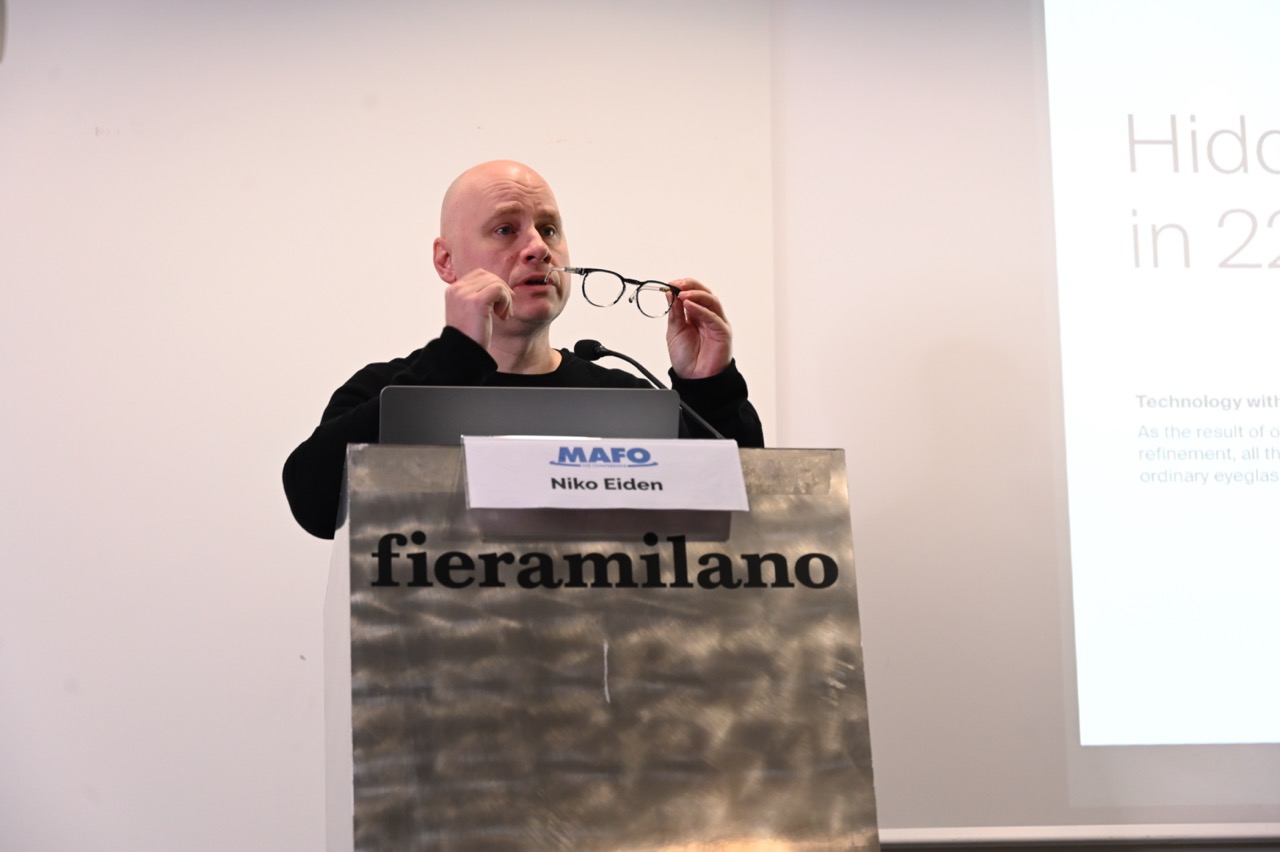
Fiera Milano Rho, the day before MIDO
Arrive in Milan, join the conference on Friday, February 5, and walk into MIDO the next day.

Get your ticket
Book your seat for February 5, 2027. Send three people and pay less per head.
Early bird discount until December 31, 2026
Single ticket
One seat at MAFO – The Conference, Fiera Milano Rho.
Buy single ticketTeam package, 3 tickets
Three seats for your team at MAFO – The Conference, Fiera Milano Rho.
Buy team packagePrices as listed in the MAFO shop.
Our sponsors
Thank you to the companies that make MAFO 2027 possible.
Gold sponsors


Silver sponsors


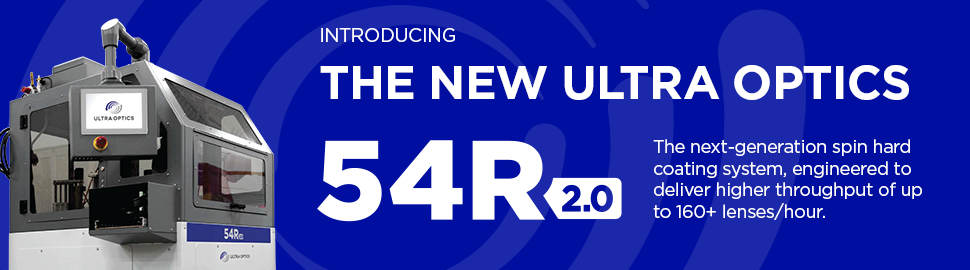
Take the stage with a promotional presentation, or choose a sponsorship package to feature your brand in MAFO magazine. Get noticed with ads, logos, articles and banners, online and in our newsletter.