

Mido 2026: Agile and exciting
Solid figures despite difficult travel conditions in some cases
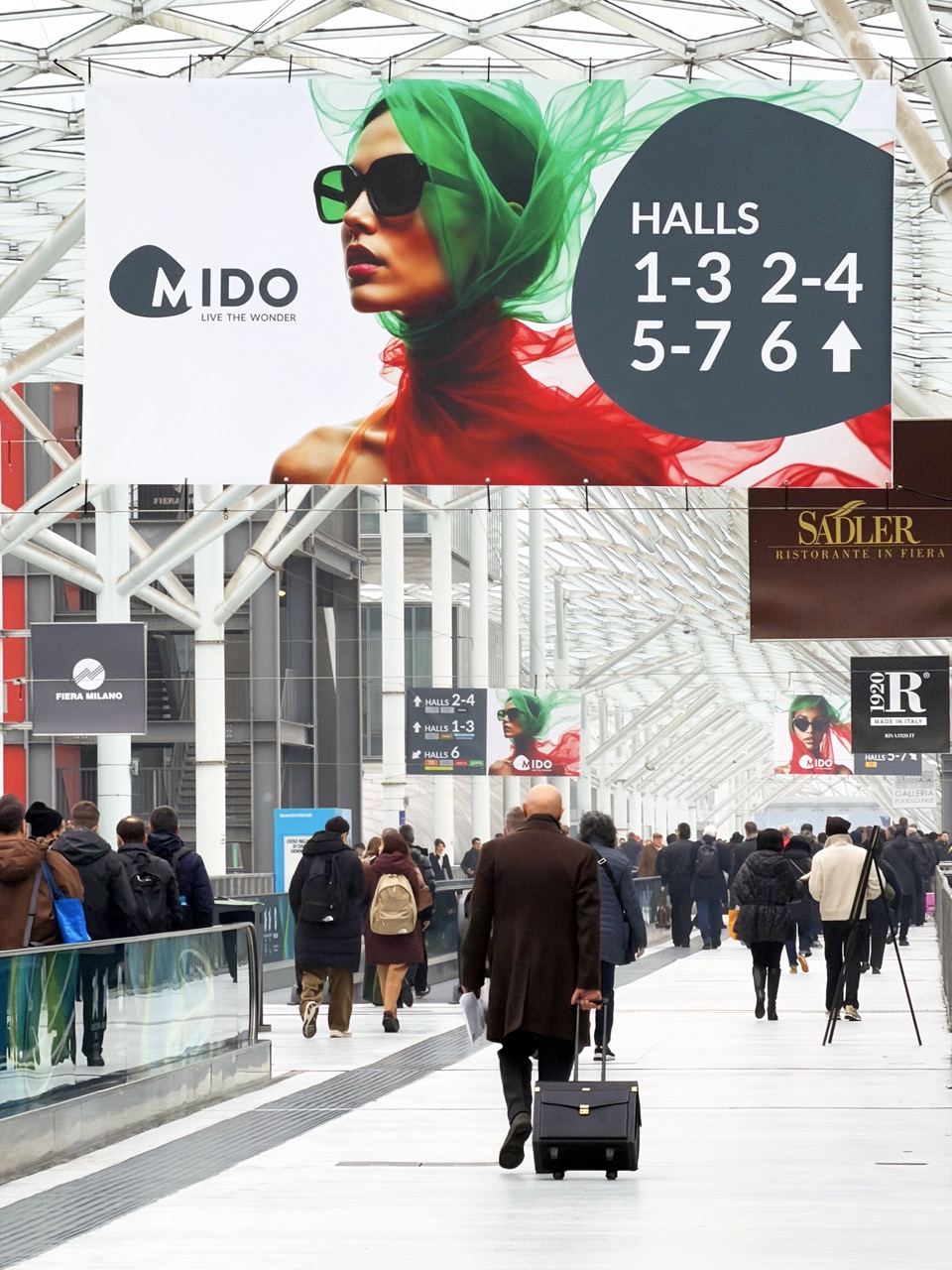
The Mido trade fair reports stable visitor numbers once again for the show at the beginning of 2026. The fair attracted around 42,000 participants and 1,200 exhibitors. The participants came from 160 countries – even though there were a few hurdles to overcome in terms of travel this year. But for the many who made the journey nonetheless, the event was, as always, well worth it. For many manufacturers, especially those of machinery, Mido is often the first choice for presenting innovations.
An uncertain economic and geopolitical situation, the Winter Olympics starting just a few days after Mido in Milan, and then a snowstorm over the UK and snow warnings for other parts of Europe. The journey could not have been more challenging for some participants. The fact that the vast majority made their way there despite the uncertainties shows the international relevance of Mido.
Mido and ANFAO President Lorraine Berton was also satisfied: “Again this year, Mido powerfully expressed the industry’s vitality,” she declared. “From the early hours of the morning, unbridled energy coursed through the aisles, piazzas, and booths, while events, live presentations, and meetings offered opportunities for dialogue and inspiration – and, most importantly, driving significant, concrete business results.”
Machine manufacturers and more in Hall 6
Mido is spread across seven large halls. Therefore, it is a good idea to have at least a rough plan of what you want to see so that you don’t miss the highlights in all the hustle and bustle.. For MAFO readers, we are therefore focusing primarily on Hall 6, which houses many machine manufacturers and other suppliers for the manufacturing industry, and on Hall 3, where many well-known lens manufacturers are presenting their latest products, and where you can also find design or software companies and more.
Every year, Hall 6 at Mido impresses anew, as no other optical trade fair provides such a good overview of the entire manufacturing industry. Exhibitors and visitors are aware of this, which is why the major manufacturers are often represented with a large portfolio of machines or other creative setups.
Edging on a new level
A highlight at the Schneider booth was the new HSE Modulo ONE edger and the LCU Module ONE edge inline cleaner. The edger has four process stations, with the edging and handling/measuring areas separated. This means that the respective process times are optimally coordinated and there is hardly any unproductive time. The use of an ionizer directly at the point where swarf is produced significantly reduces static load, resulting in easier extraction and a cleaner machine. Schneider has also opted for integrated measurement in this machine. Full power measurement is integrated so that errors are detected immediately.
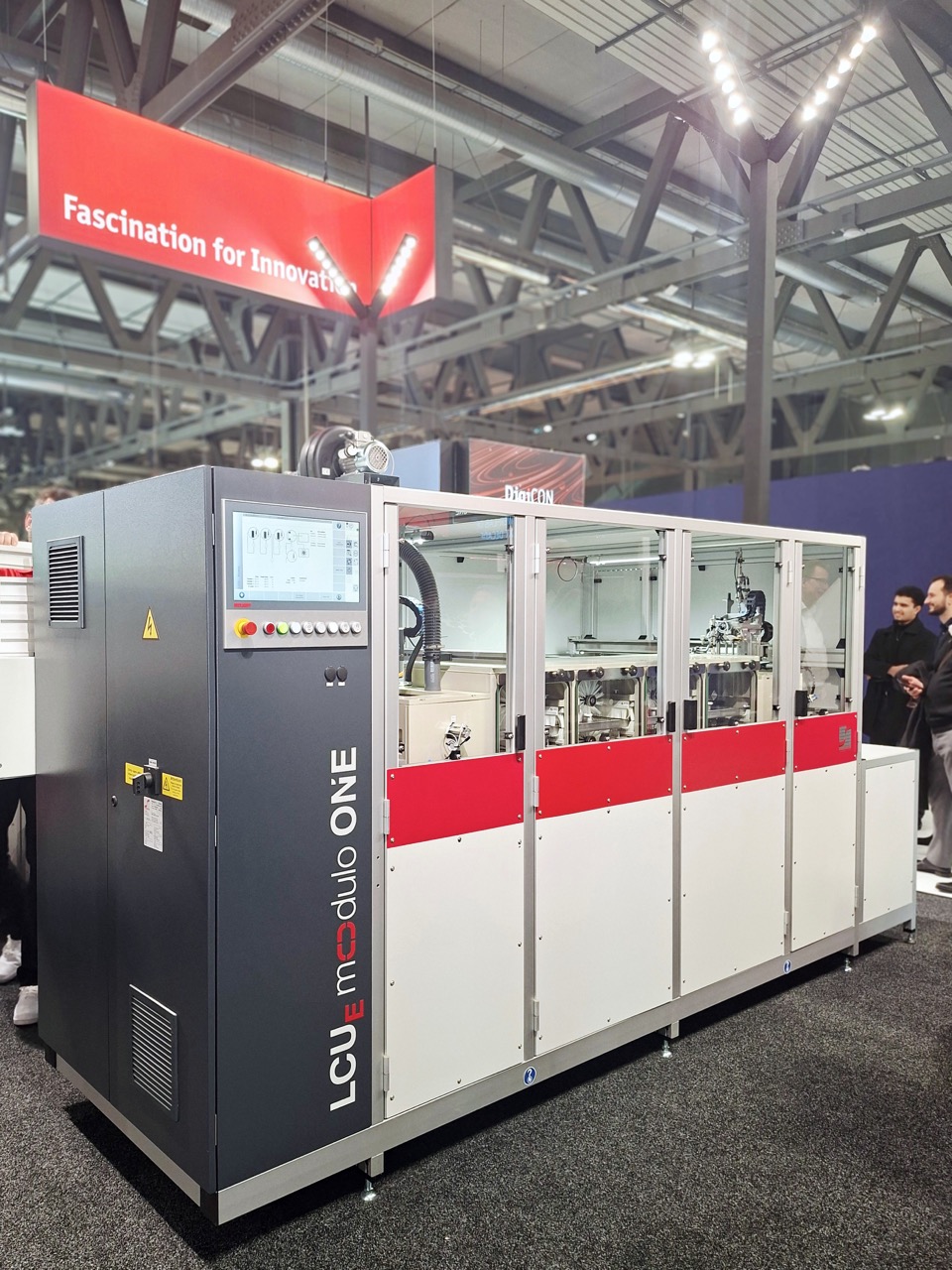
Another highlight was the LCU Module ONE edge, a high-volume inline cleaner that can also perfectly handle and clean edged spectacle lenses by picking up the lens with a small suction cup. Visitors were also able to see many other machines from the Modulo series on site. However, the manufacturer announced even more highlights for the DigiCon in-house exhibition, which will take place in Germany in June.
Blockless surfacing
Satisloh has now given the green light for NEO Blockless Surfacing at its stand. The long-awaited machine is now officially available to order. Thanks to the generator and polisher, NEO-orbit and NEO-flex, production is greatly streamlined, as the blockless surfacing process eliminates several process steps.
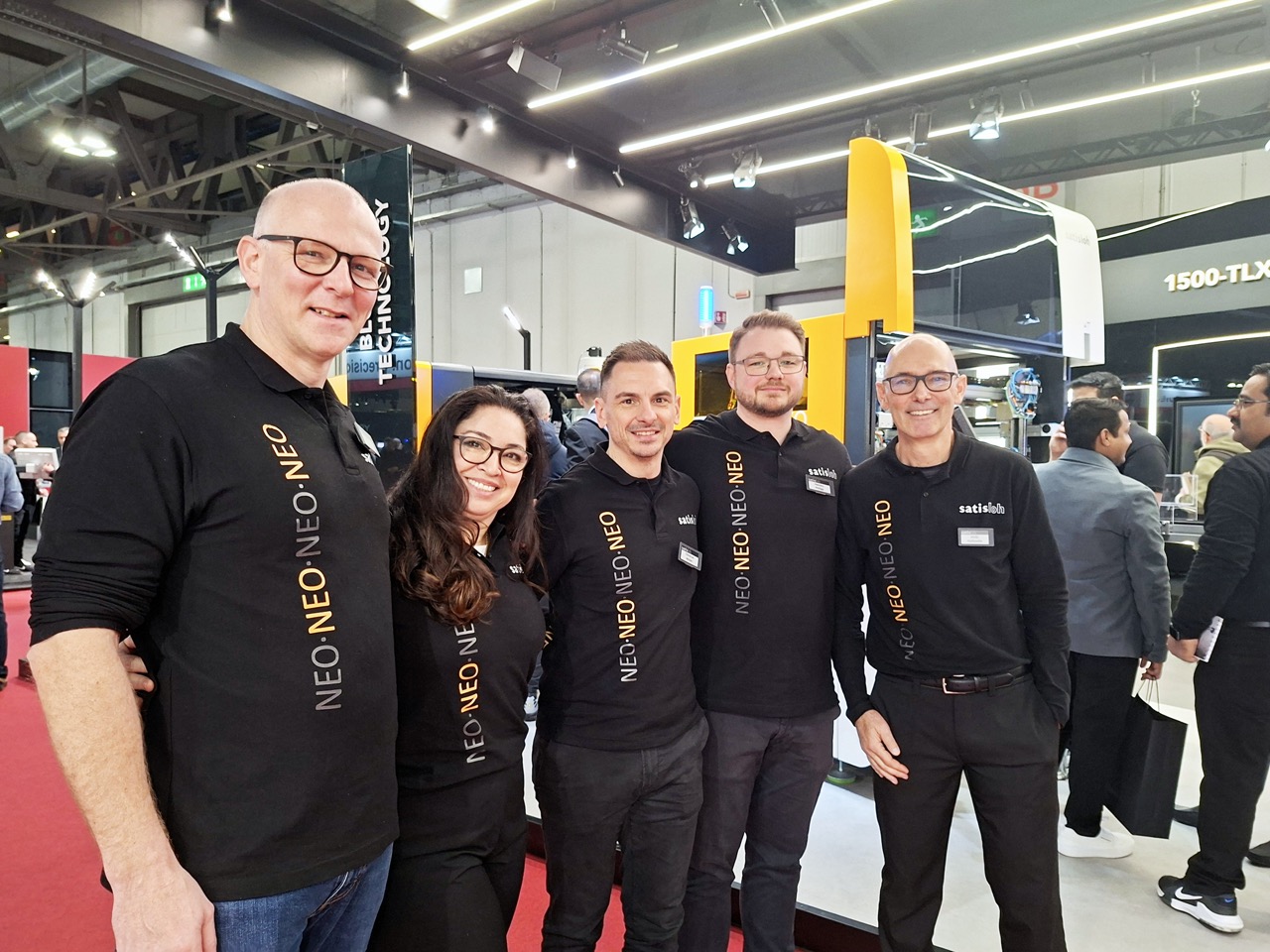
The manufacturer also presented a brand new tech preview of NEO-unbox, an unpacking machine for semi-finished lenses that open the cups by cutting. The model is said to be capable of unpacking 520 lenses per hour. The e-ticket is being further expanded and is now also available for AR coating, frame pairing and picking, and more. The manufacturer is also currently placing a special focus on the area of lab services, for example with the option of 3D visualization of labs. Another special eye-catcher at Satisloh was the miniature lab. A complete lab, with all process steps, was set up here as a miniature model.
The alternative to alloy
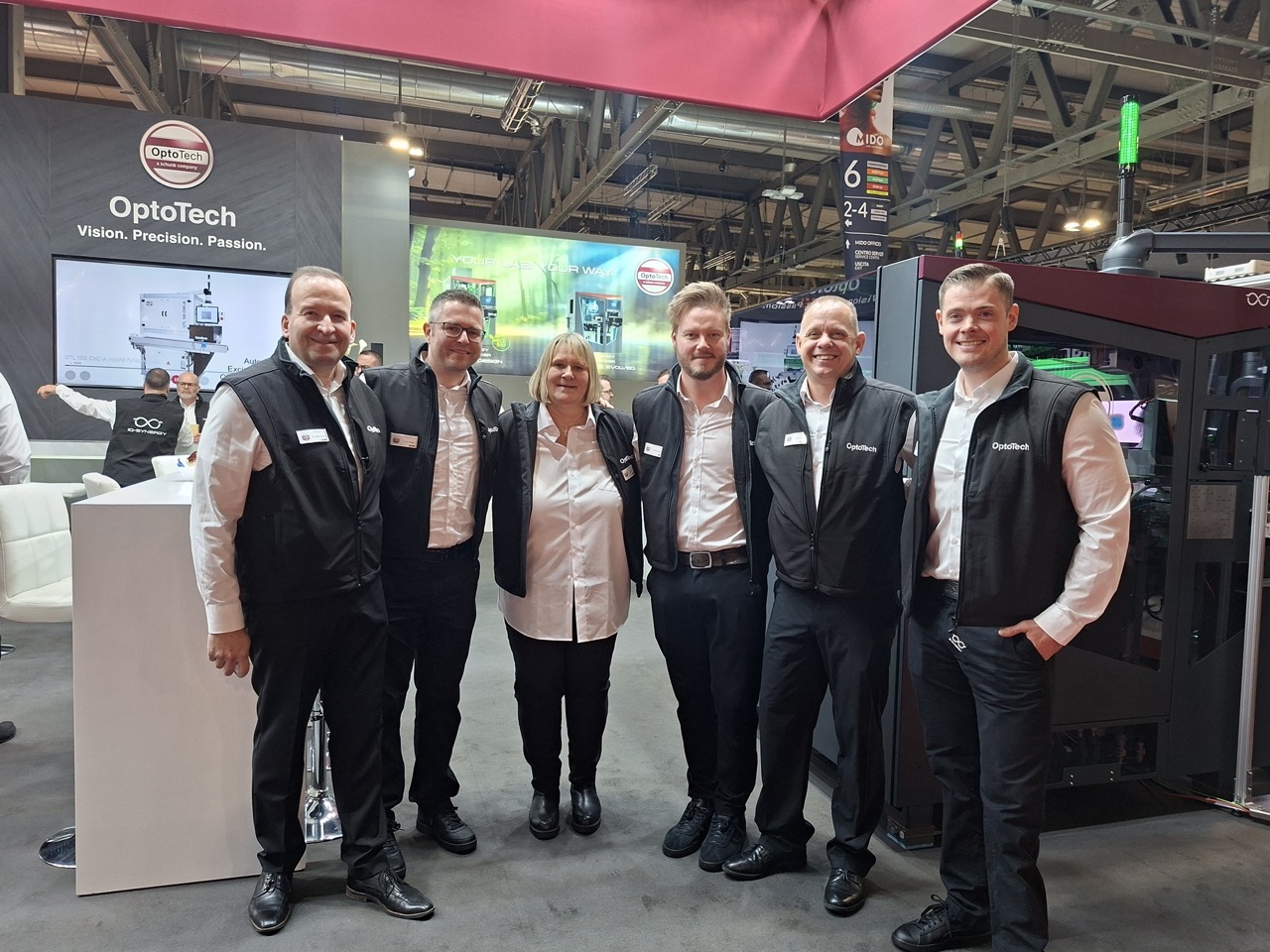
As already announced at Vision Expo West in the USA, the manufacturer Optotech is expanding the IQ-Synergy series with two new blockers. One is the IQ-Synergy Eco-blocker, the other is the IQ-Synergy S2 Blocker, the latter being a technology preview and upgrade. The Eco-blocker is designed to impress with a completely new vacuum blocking and deblocking technology that was developed and tested in collaboration with Zeiss. Thanks to this process, neither alloy nor adhesive is required for blocking. The technology is therefore particularly sustainable and reduces the number of process steps . If necessary, the different blocking systems can also be combined. And, of course, the new IQ-Synergy Generator and many other machines were also on display. The IQ-Synergy Generator impresses with its particularly high throughput, which is achieved, among other things, by decoupling various process steps.
A perfectly matched duo
Stefano Sonzogni, President of MEI, proudly presented the new Alpha CoreTBA (turning) and Omega CoreTBA (polishing) machines to visitors at “Coffee with MEI.” The new duo had already been presented in Las Vegas at Vision Expo West, but this was their first appearance in Europe. The new block-free manufacturing solution consists of two machines and is designed to significantly increase throughput. In addition, the modular design allows labs to customize the processes more individually. According to Sonzogni, more than one million lenses have already been manufactured worldwide using the first block-free model, the CoreTBA.
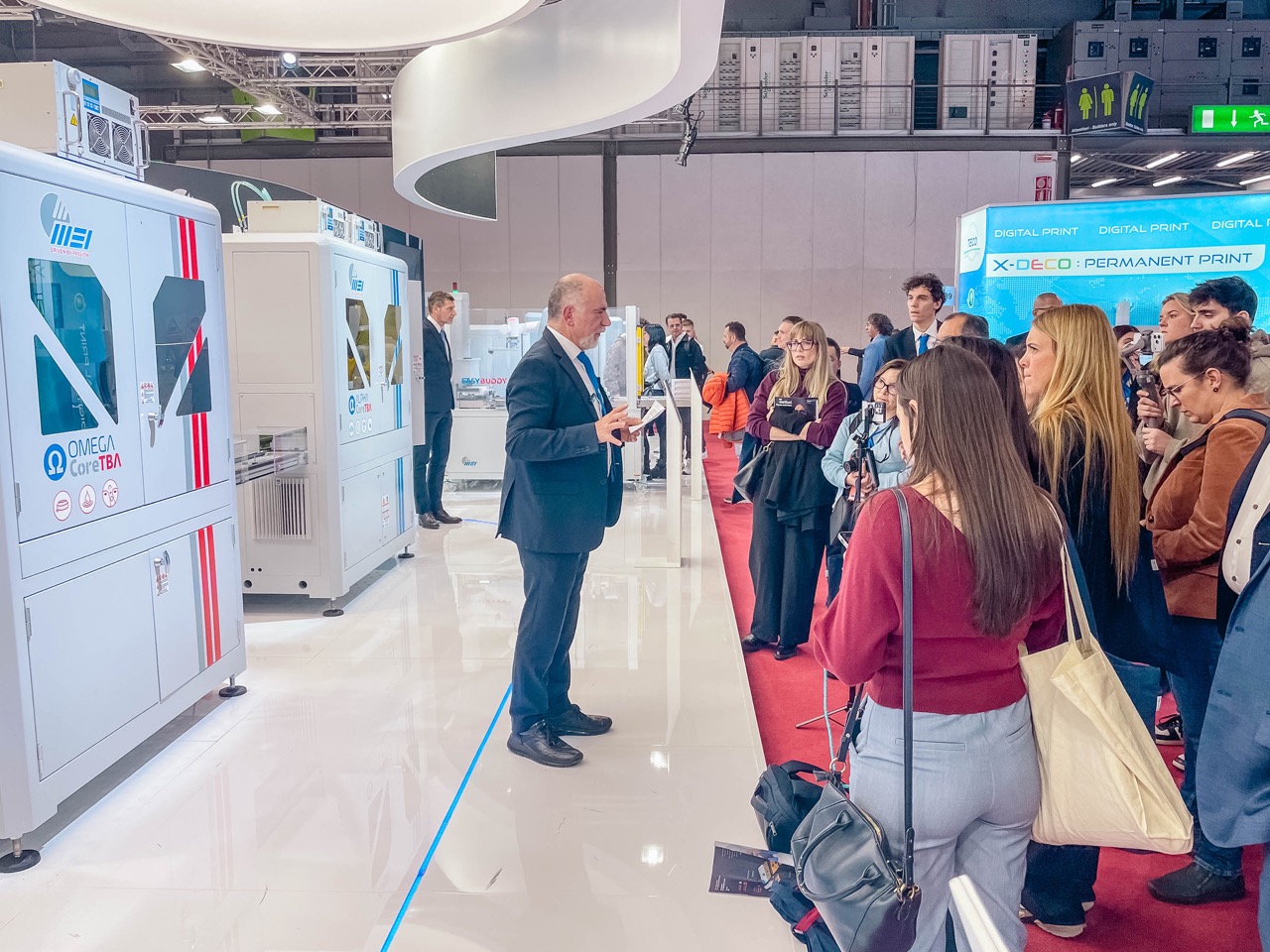
Another highlight from the manufacturer is the ClearXM, a machine for cleaning and inspecting both uncut and edged lenses. With its incorporated imaging technology, ClearXM scans and recognizes the contours and dimensions of the lens, ensuring a secure and precise clamping mechanism. This optimizes the cleaning process. Cosmetic inspection, called SurfXM, is also available in both configurations (cut and uncut lenses).
Focus on inspection, cleaning and more
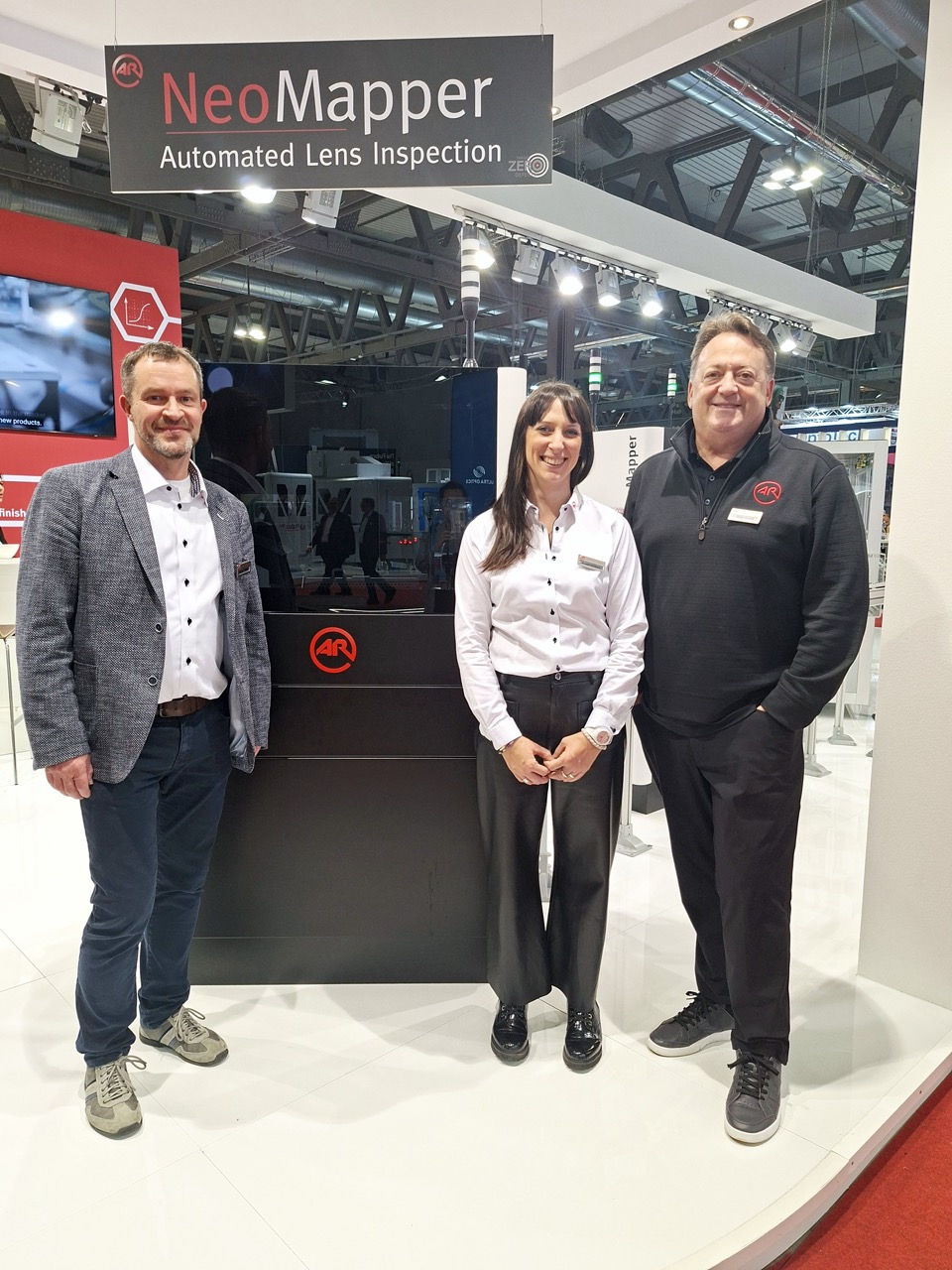
In addition to the industry giants, there were also many new and exciting things to discover among the other exhibitors. For example, Automation & Robotics presented the EvoMapper in a more compact form alongside the NeoMapper and ProMapper. The machine is now more flexible than before and can even be individually equipped with the desired stations at two stations (from dual spectrometer to digital inking and more), making the system interesting for smaller labs as well.

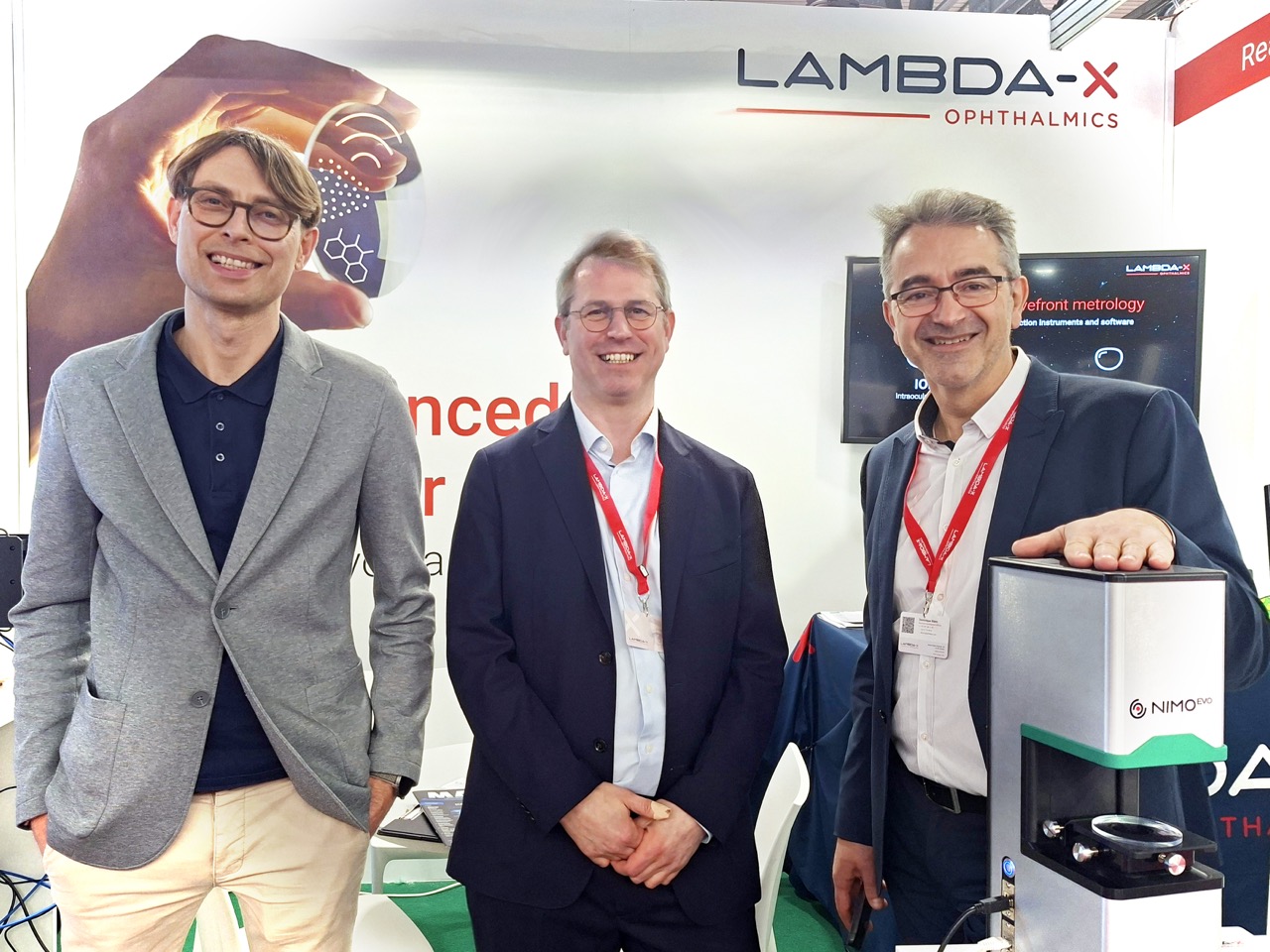
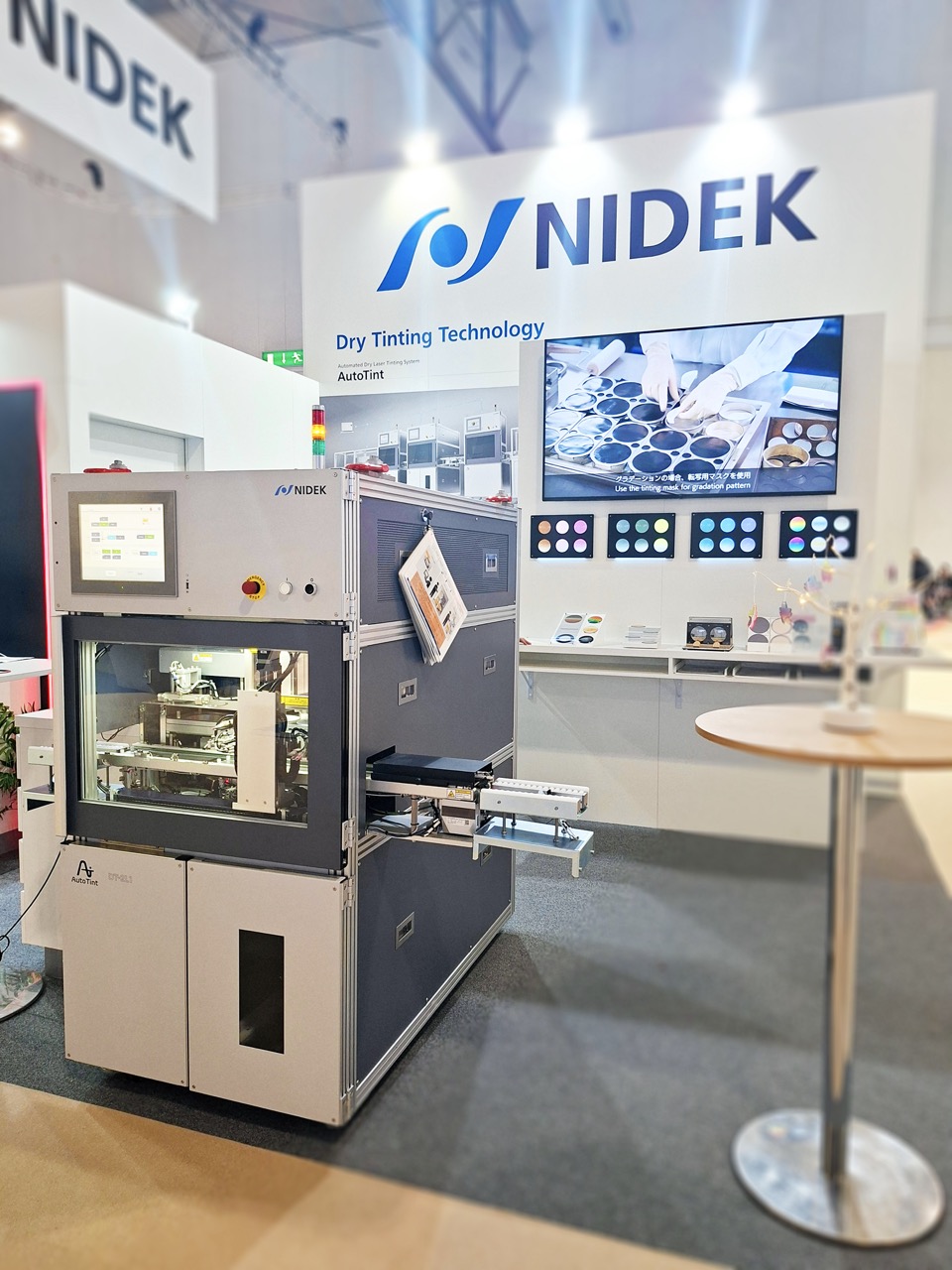
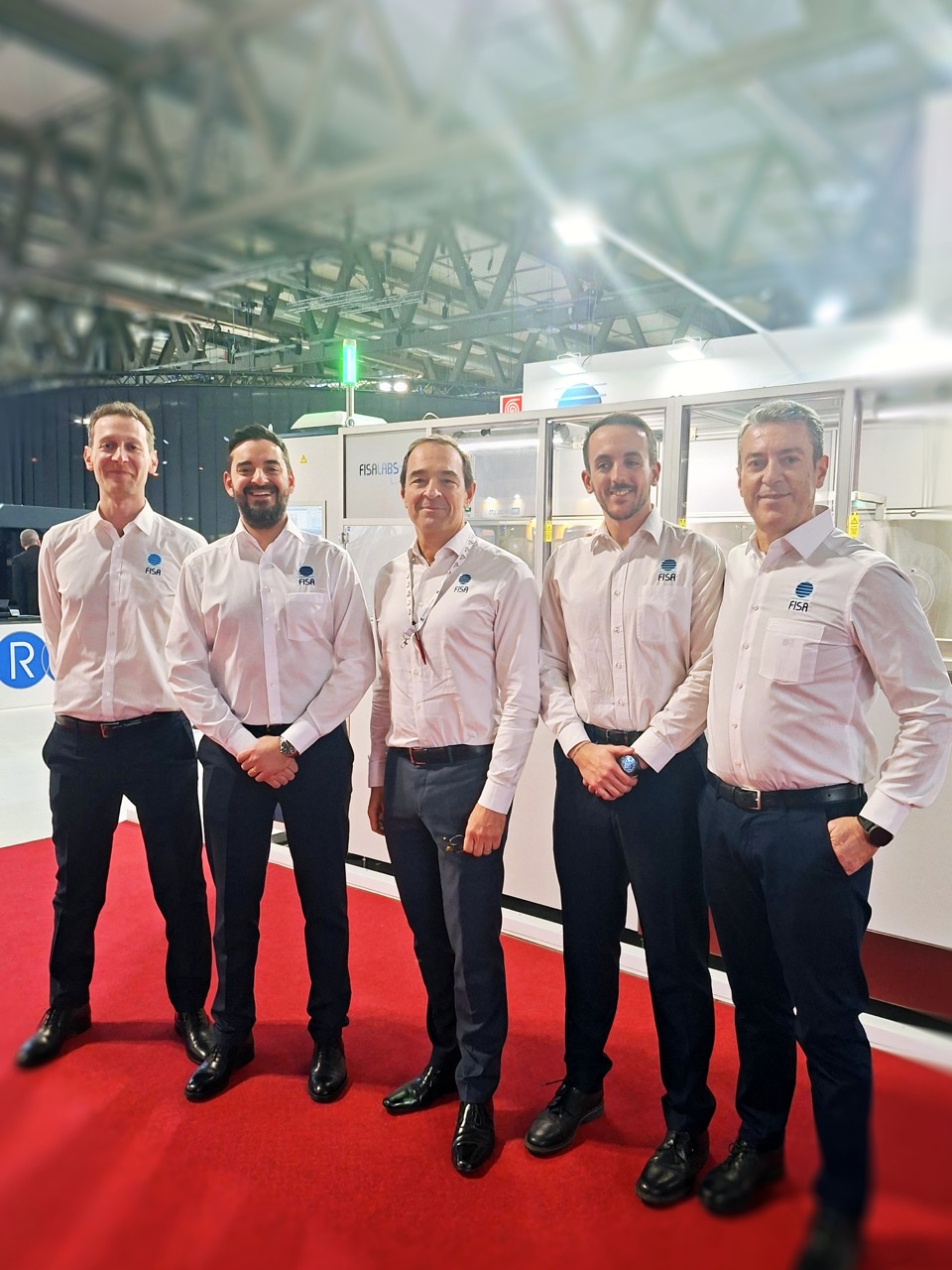
Lambda-X Ophthalmics had a booth at Mido for the first time, presenting precision measuring instruments and software. As always, there was a wide selection of machines on display at the Comes booth. Labs that manufacture mineral lenses also get their money’s worth here. At FISA, visitors could explore the latest cleaning system and Nidek presented in Hall 3 their dry tinting process. However, also the booths of many other suppliers who did not present large machines were also well attended. These included Coburn Technologies and Cotec, Optimal Technologies, software provider Lensware, diamond tool manufacturer K&Y, Bühler, Evergreen or Maat Optical and many more.
Spectacle lens designs and new coatings
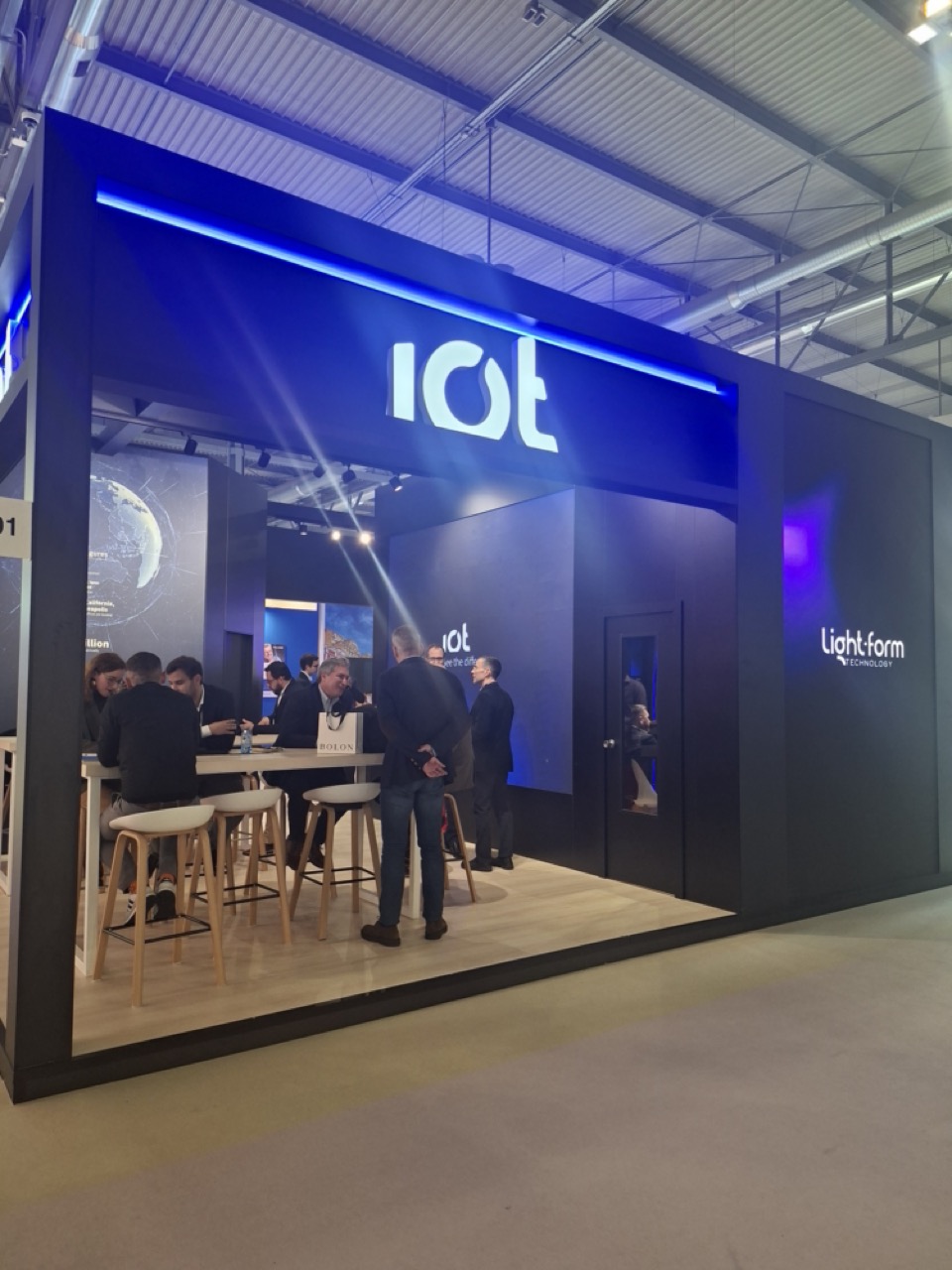
After the noise of the machines and large systems in Hall 6, Hall 3 seems almost quiet. The products here are somewhat smaller, but no less interesting. This was the case, for example, with the company IOT. They presented an additive manufacturing process for the production of spectacle lenses called light-form for the first time (a detailed article can be found on page 16).
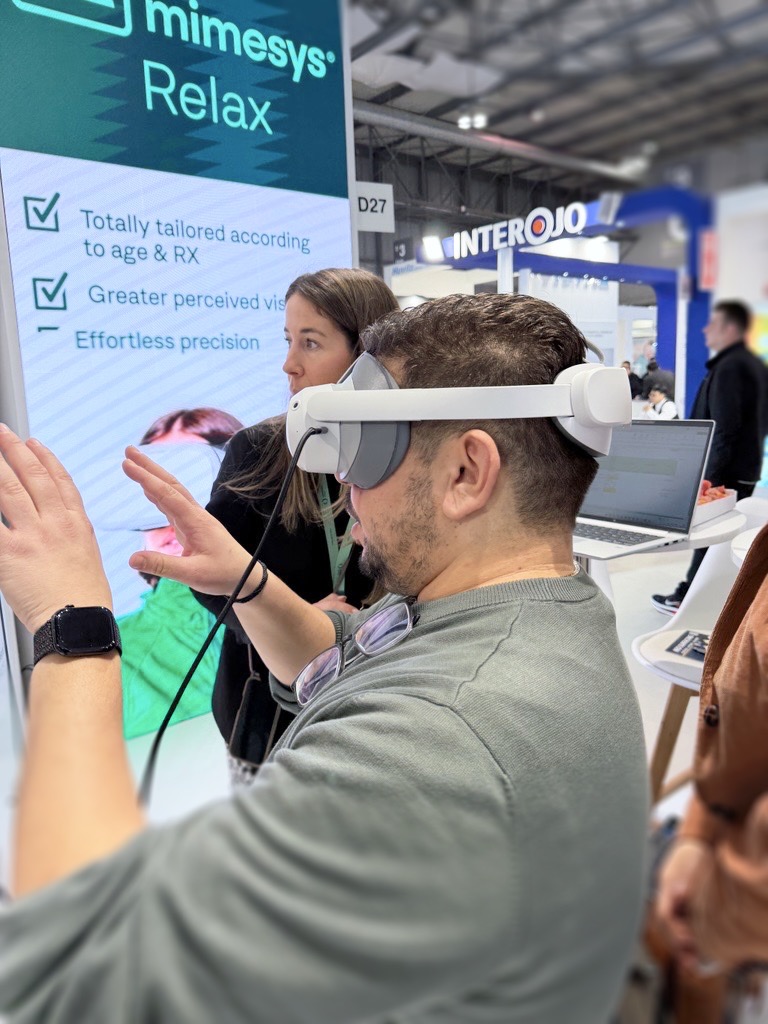
At Horizons Optical, visitors were able to immerse themselves in virtual worlds with mimesys (more on this in the interview on page 34). New is mimesys essence, a data-driven design that predicts gaze dynamics as accurately as possible even without a VR set. To do this, a data set of hundreds of thousands of gaze dynamic maps is used to make predictions and customize lens designs as effectively as possible.
At Rodenstock, too, everything is geared towards the best possible personalization. With B.I.G. EXACT Sensitive, the company strives for the best possible individualization of biometric spectacle lenses and also takes into account people’s sensitivity or, as the company says, “customization based on individual perception.”
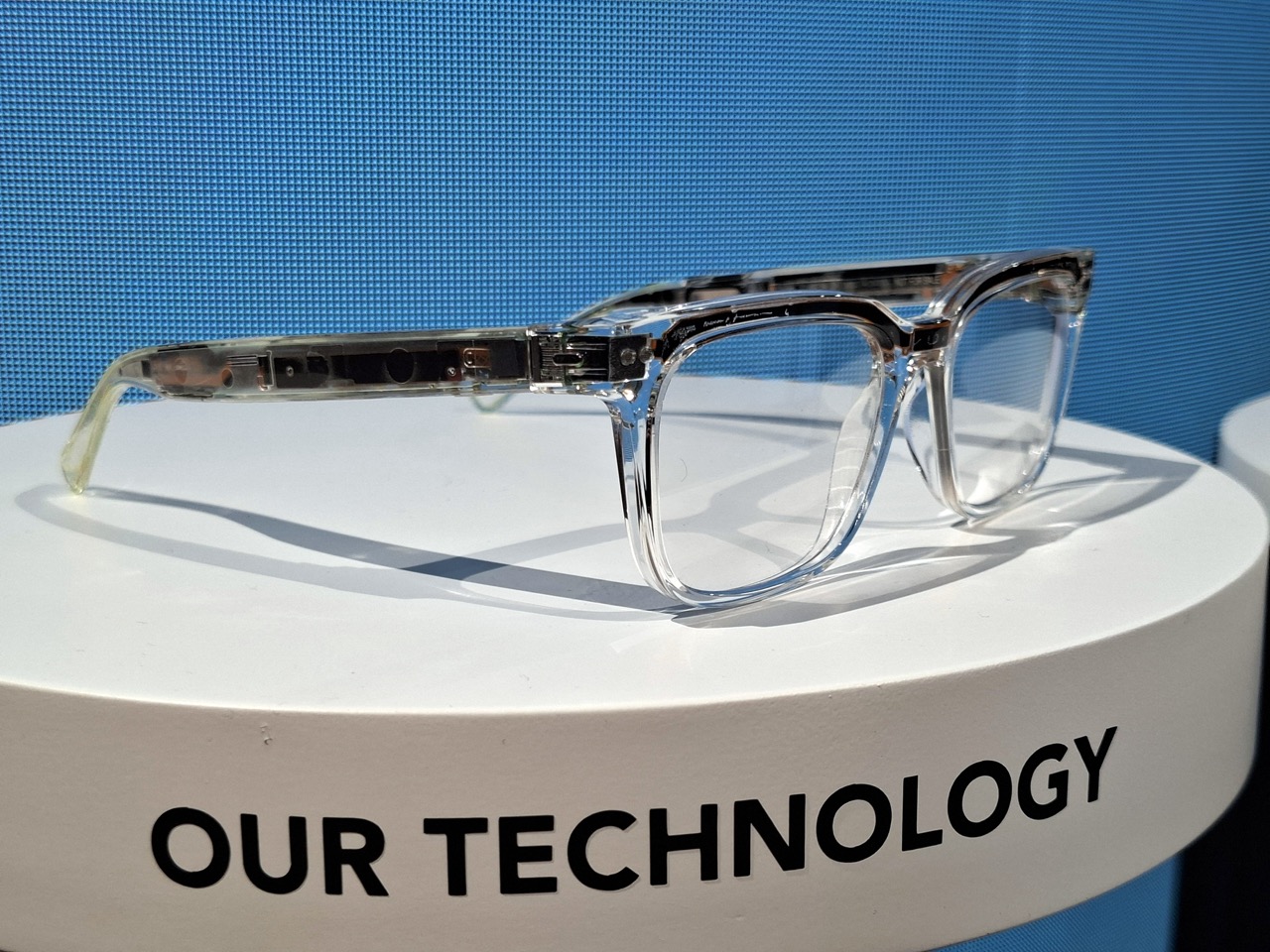
At EssilorLuxottica, visitors were able to test the new Ray-Ban Meta and Oakley Meta models, including features such as camera functions and live translation. The company also presented the new Transitions Color Touch series, with self-tinting lenses in trendy colors, and Crizal Natural Look, an anti-reflective coating with almost no residual reflection. The manufacturer is also at the forefront of myopia management and has already announced that Essilor Stellest smart glasses, which record wearing time and patterns, will now be available in China.
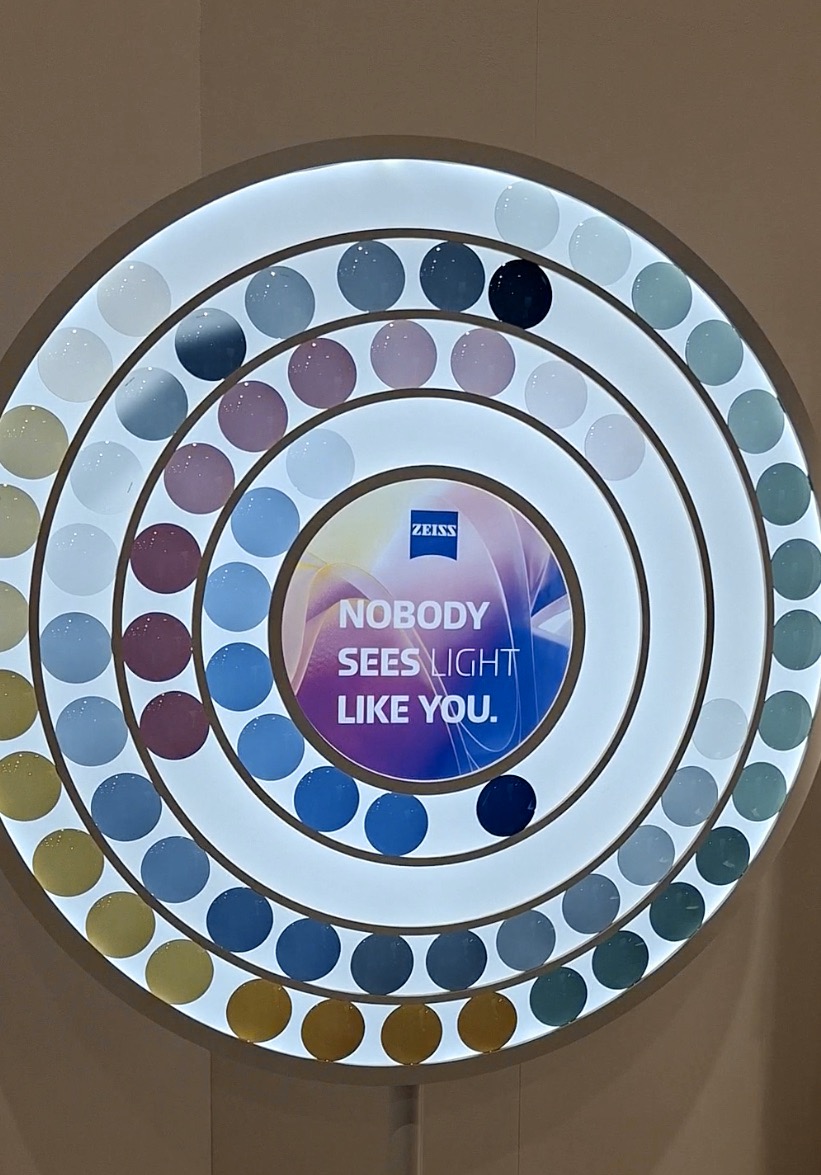
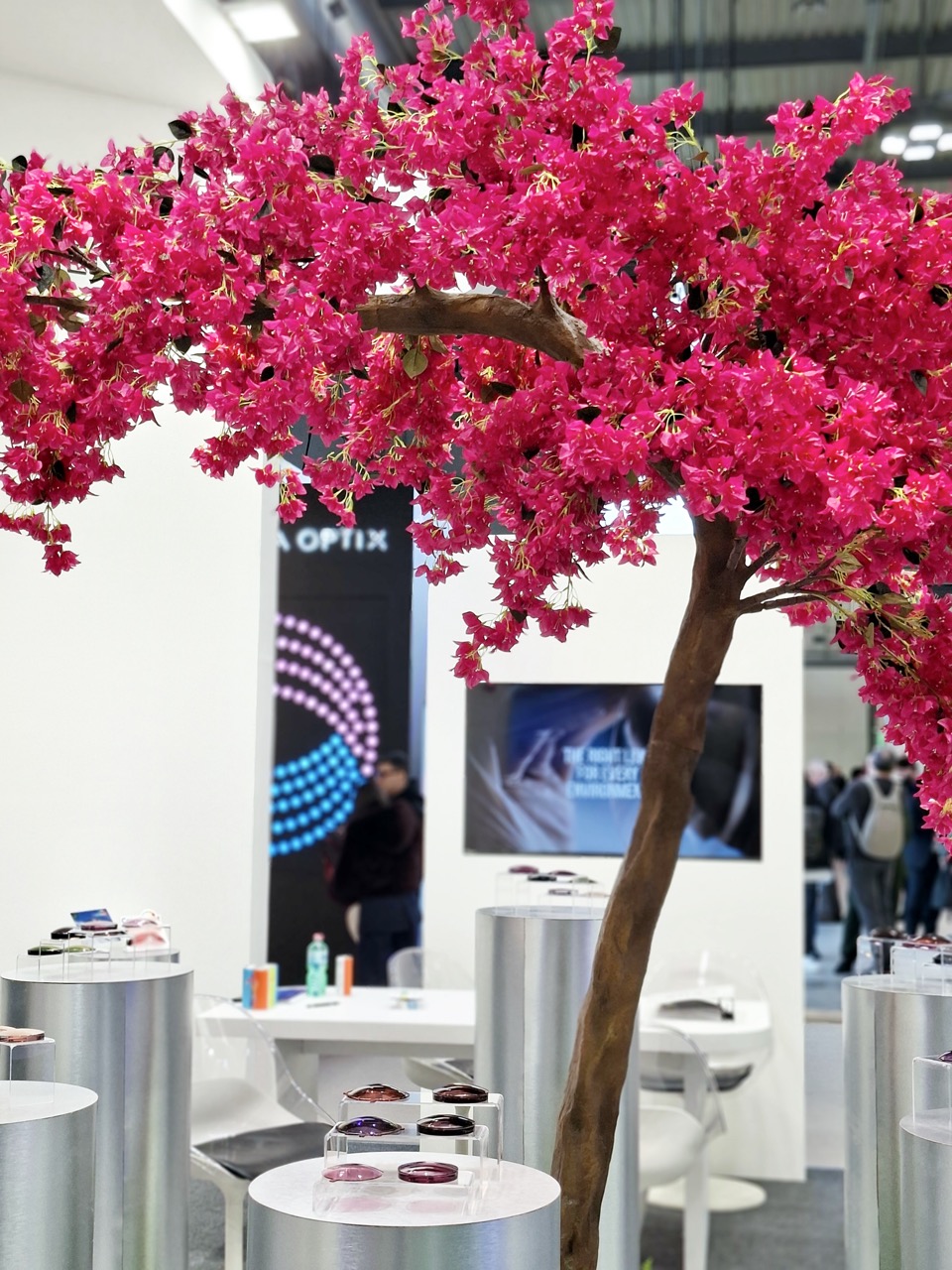
Zeiss proudly presented its new ClearMind lenses, which are designed to minimize distortions in the peripheral area and reduce cognitive strain in everyday life. Advanced NeurOptix technology also optimizes visual comfort, making vision more natural and relaxed.
Among other highlights, Hoya focused on MiYOSMART Coating Smooth Touch Xtreme (STX), which is designed to keep lenses clean for longer. This technology is available for use on MiYOSMART spectacle lenses – a clinically proven solution for myopia control.
A truly international meeting point
In addition to the many new developments, Mido once again presented itself as an international meeting point. Similar to last year, Europe – with strong representation from Germany, France, and Spain – proved its significance. Particularly noteworthy were attendance numbers from Africa, the Middle East, and Asia, confirming these emerging markets as an important, growing area for commercial development.
Participation from North America remained stable, a positive signal given the current economic climate and ongoing tariff-related tensions. In contrast, attendance from Italy showed a slight decline, reflecting the impact of the current economic context on investment decisions by industry professionals in the domestic market.
In 2026 again, Mido showed the event’s ability to comprehensively represent the entire eyewear supply chain – from manufacturing and materials to technologies, components, and accessories.
Save the date for Mido and MAFO – The Conference
Next year, the Mido Eyewear Show will take place from February 6 to 8, 2027, in Milan, Italy.
As every year, MAFO – The Conference will kick off on Friday, February 5, one day before the trade show. The conference will celebrate its 25th anniversary in 2027.