40 years of Vision Expo – and the first unified show
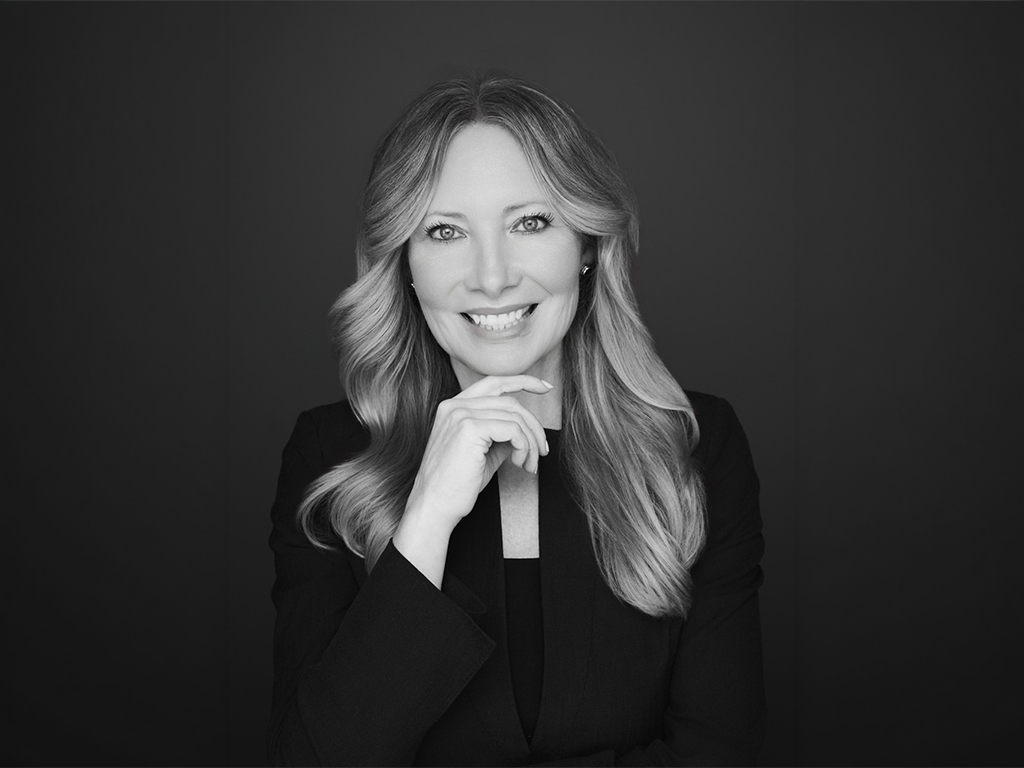
An interview with Ashley Mills about Vision Expo
This March, Vision Expo celebrated both its 40th anniversary and its first unified trade show. From now on, Vision Expo will be held every spring, rotating between Orlando, Las Vegas, and New York. MAFO has spoken with Ashley Mills, CEO of The Vision Council, about her impressions of this first unified trade show, key trends, and the future of the show.
MAFO: Vision Expo celebrated its 40th anniversary this spring.How was your overall impression of the first “merged” trade show in Orlando?
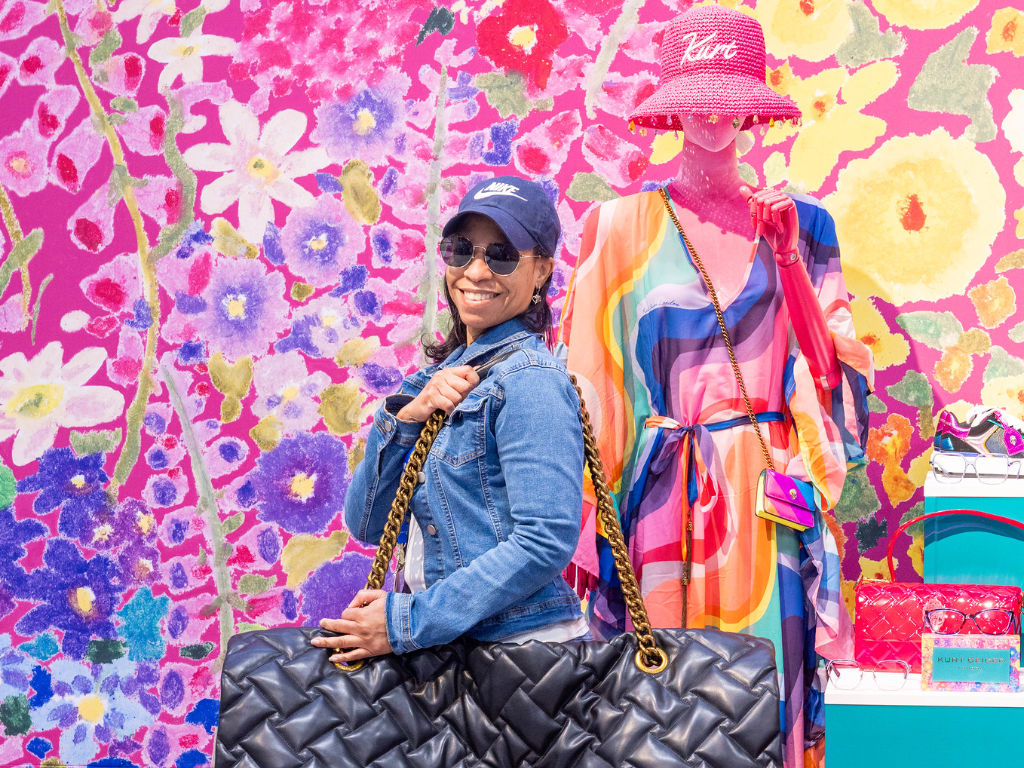
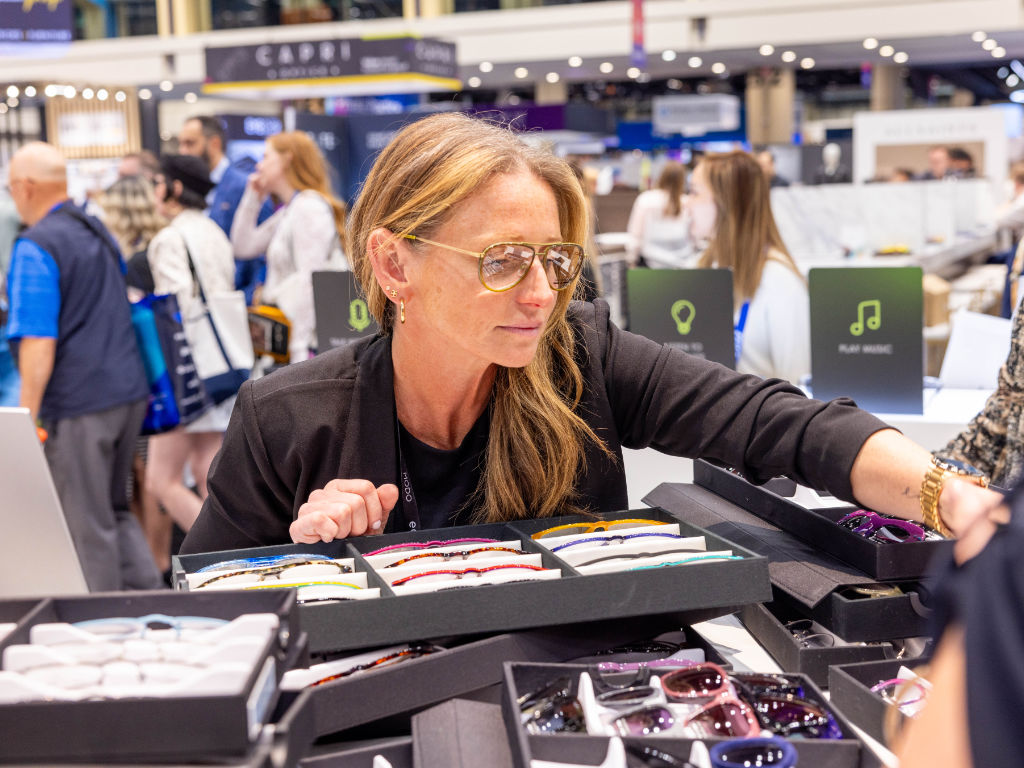
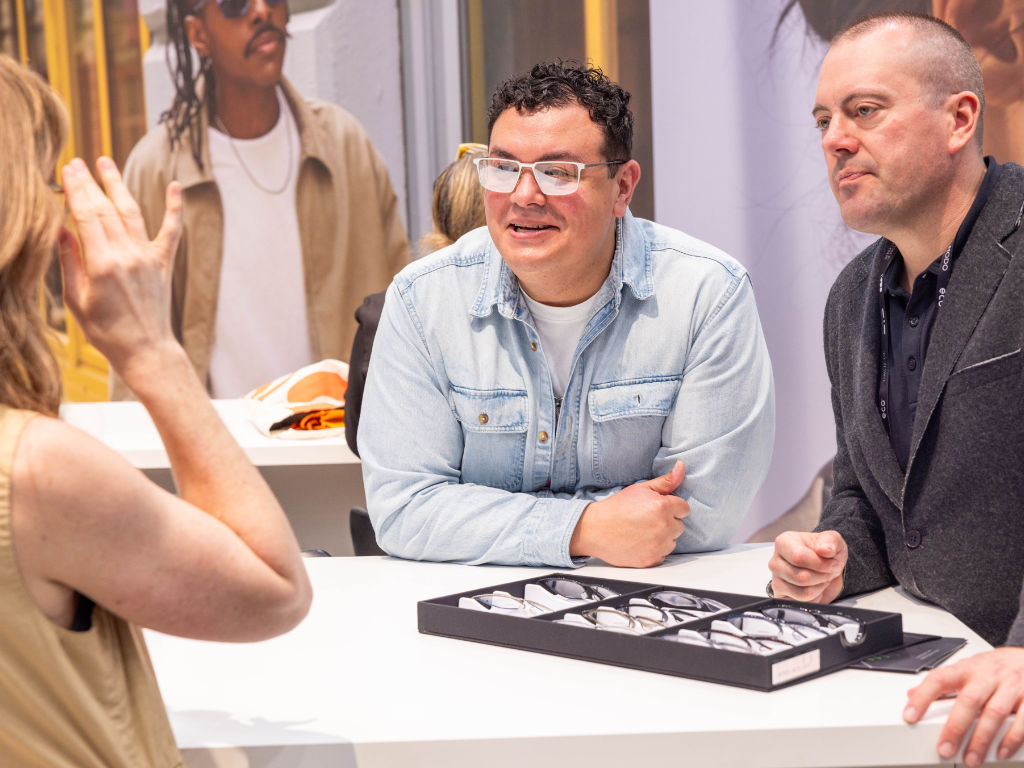
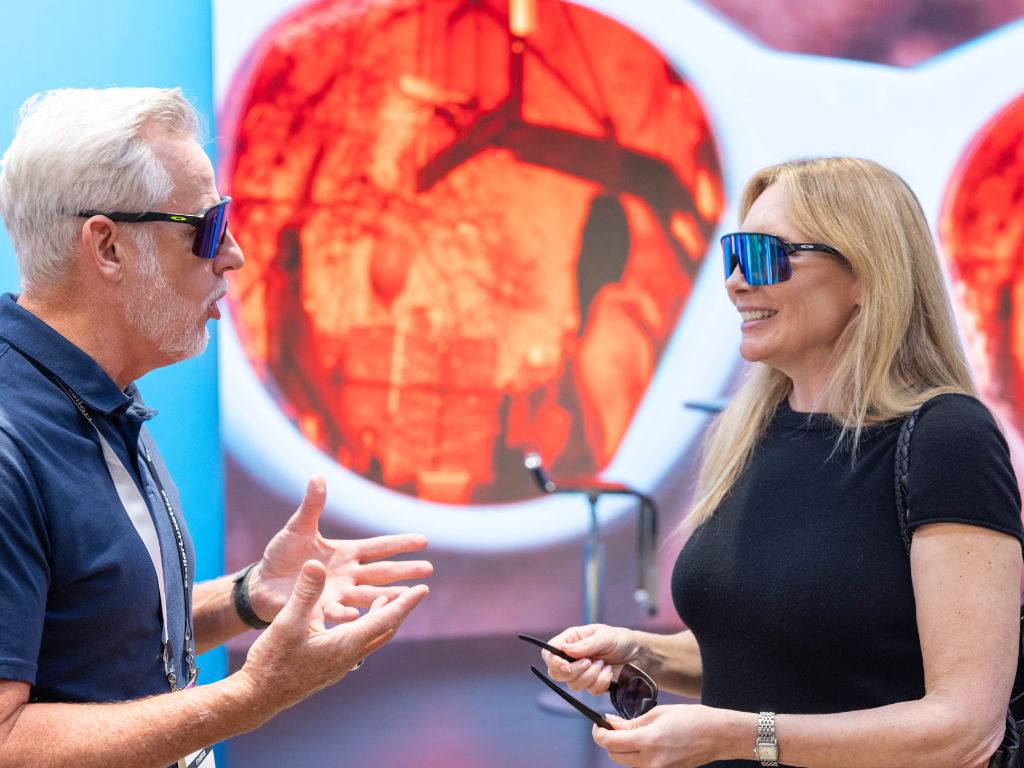
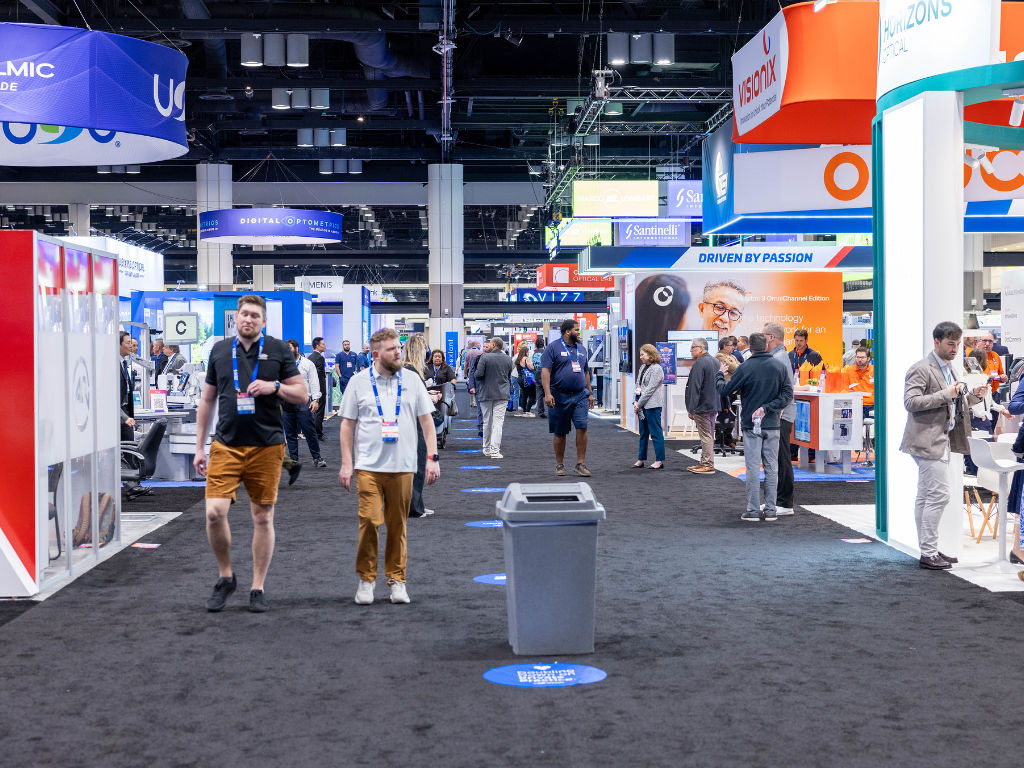
Mills: The floor was buzzing with energy from the moment doors opened. Booths were modern, beautifully designed, and full of engaging activations – brands truly showed up and showed out this year. Exhibitors brought their latest technologies and collections, and there was a real sense that the industry is ready to move forward together.
This year we paid homage to forty years of Vision Expo history while simultaneously launching our debut of a single, unified annual event for the entire optical community. That combination of honoring the past while charging toward the future made for a special show. We welcomed 8,000 professionals from 92 countries and all 50 states in this new format – proof that we are on the right track.
MAFO: Which area or event was your personal highlight of the trade show?
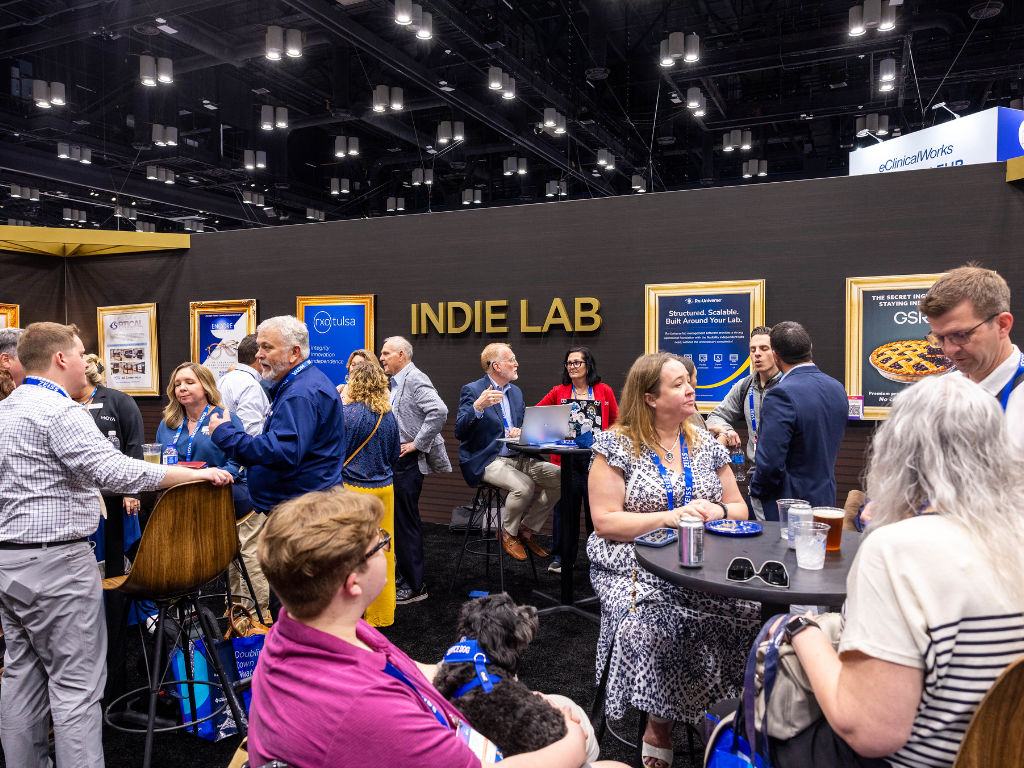
Mills: A few moments stood out to me personally. A highlight was to see the thriving and growing Independent Lab Speakeasy. It’s brilliant and was created by independent labs to have a unique present within the show that underscores the spirit and strength of optical labs in the U.S. The VSP Vision Innovation Challenge Pitch Competition taking place was a genuine highlight too. Having early-stage companies present live on the Innovation Stage, competing for $400,000 in investment from Topcon Healthcare, reminded me how much raw, transformative talent exists in this industry.
Altris AI, a clinical-grade platform, took the Judge’s Award, while Captify’s AI-enabled smart eyewear with real-time captioning for patients with hearing loss won the Audience Choice Award. Both are solving real patient care problems at scale. Last, the TVC Bar hosted by our team at The Vision Council was a constant source of energy throughout the week.
MAFO: Which trends are you currently focusing on?
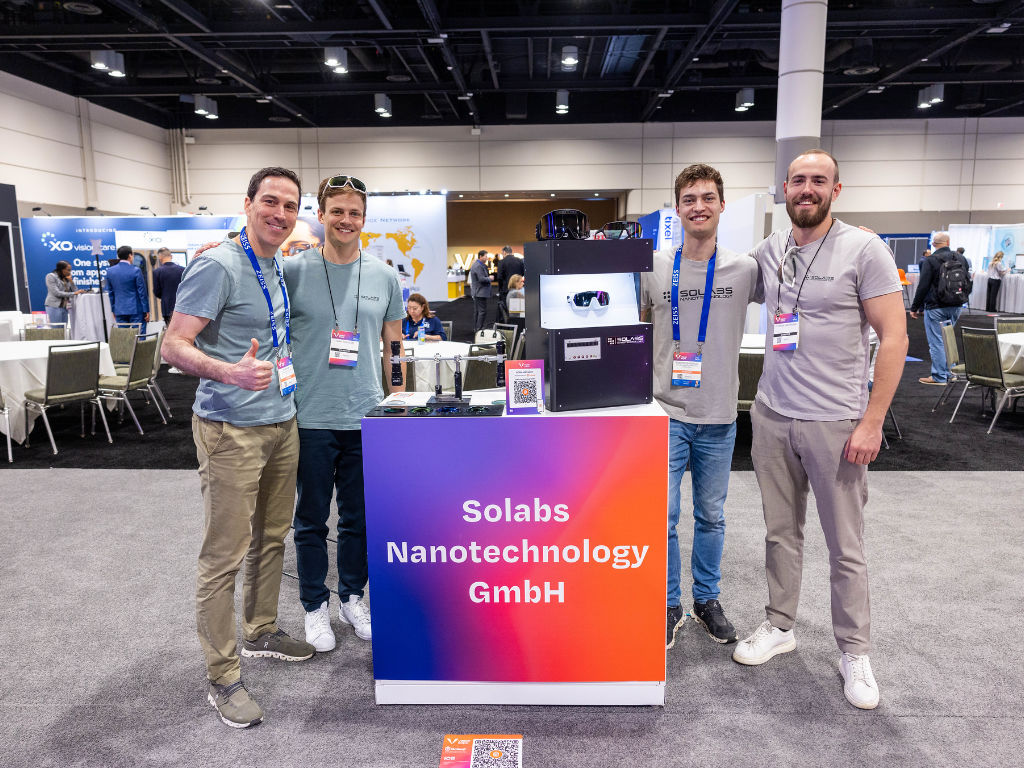
Mills: Three areas are commanding significant attention. Smart eyewear has finally crossed from concept to consumer reality. Devices that monitor health metrics, integrate AR, or provide real-time accessibility features are available today, and the question for practitioners and retailers is how to position themselves to meet patient demand. Vision Expo 2026 put this front and center through the Innovation Stage programming and start-ups featured at the Innovation Center, with companies like Solos Technology demonstrating AI-powered smart glasses live on the show floor.
Second, in-office surgeries represent a genuine evolution in how optometry is practiced. Vision Expo featured dedicated programming about this, including a session on office-based surgery as a game-changer for optometry.
Finally, fashion from independent designers is having a real moment. Our Independent Design section on the show floor and the debut of the NOW Stage were direct responses to this trend, and the energy in both areas confirmed it is only accelerating.
MAFO: How do you plan to reflect the traditional strengths and identities of each show – fashion in New York and technology in Las Vegas – in the future?
Mills: Since vision inherently represents the intersection of health, fashion and technology, these things are all interconnected. We’re deeply committed to Vision Expo being the one show where you can see everything in optical, and that means honoring both identities fully, not blending them into something generic. The answer was intentional architecture: we gave fashion and technology each a dedicated home on the show floor and its own stage platform.
The NOW Stage, which debuted this year in the heart of the Eyewear area, is fashion’s home – designer-driven, trend-focused, and built for the creative energy that defined Vision Expo East. The Independent Design section gave luxury buyers and boutique owners a curated destination for exactly the kind of distinctive collections they came to New York to find.
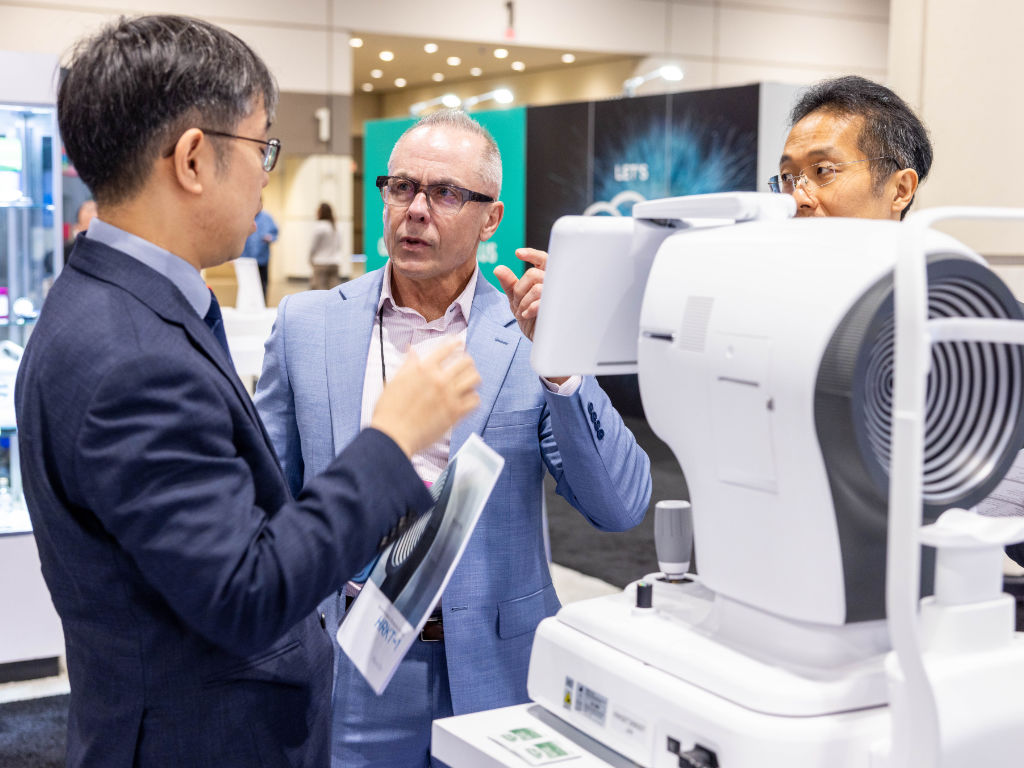
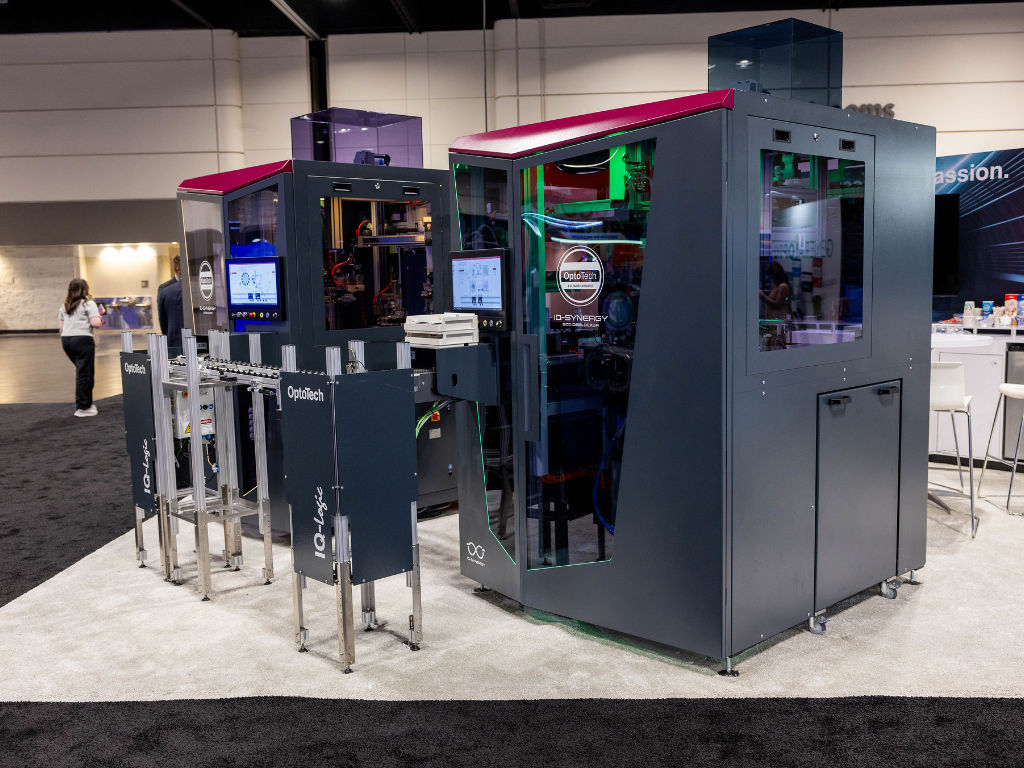
The Innovation Stage and the Business & Tech Solutions area are technology’s home – clinical, forward-looking, built for the practitioners and equipment-focused professionals that made Vision Expo West in Las Vegas so essential. Programming ranged from AI in clinical practice to flexible refraction management. We encouraged exhibitors to host live in-booth demonstrations to show off their equipment and latest offerings, offered at scheduled times to respect both the exhibitors’ and attendees’ packed agendas.
The one-show format actually makes both stronger. The collision of fashion buyers and technology innovators in the same space, on the same floor, creates conversations and connections that simply don’t happen when the communities are siloed into separate events. We view that cross-pollination as one of Vision Expo’s greatest competitive advantages. Brands can also now align their biggest launches, whether that’s a new collection or a new technology, to a single, high-impact annual event.
MAFO: How are global economic and political shifts affecting international participation?
Mills: Vision Expo is the leading optical event in the Americas, and we take that responsibility seriously. There is no better event to access the North American marketplace. We had attendees from more than 92 countries at Vision Expo 2026, which is a powerful statement about how the global optical community views this event. The move to a single annual show was partly a response to international participation: we recognized that asking someone to travel internationally twice a year was a significant ask, and we’ve now made it once. That also allows international participants to plan further ahead, align internal budgets, and build Vision Expo into their annual calendar as the definitive trip. The engagement we saw from Latin American attendees and exhibitors in Orlando was especially strong, reinforcing that Vision Expo delivers real commercial value for the international community.
MAFO: Attendance at Vision Expo has never returned to the levels seen before the COVID-19 restrictions (e.g. 13,000 in 2018). What is the reason for this?
Mills: The pre-pandemic figures reflect a different business environment: companies with more generous travel budgets, fuller teams, and a culture that hadn’t yet been forced to scrutinize every line of discretionary spend. The pandemic, in a way, just accelerated the trends we were seeing in 2019 with consolidation, as well as how companies do business – either with sales reps or in showrooms. Vision Expo has evolved to reflect how business is done today, but also features valuable networking, in-person demos, and programming with expert speakers that cannot be recreated online.
MAFO: But European shows are now seeing very good attendance figures again …
Mills: The European recovery is real, and we’ve studied it closely. Some of it reflects structural differences, like how European trade shows often serve geographies where attendees can travel by train rather than booking flights, which reduces both cost and friction considerably. The U.S. market has different dynamics.
What we can say with confidence is that the quality and intentionality of Vision Expo 2026’s attendance was exceptionally high. Education attendance grew 17% year-over-year, our VIP Platinum Club expanded to more than 700 participants, and the engagement level on the floor was tangible. We are laser-focused on keeping costs accessible and making sure every hour spent at Vision Expo is unambiguously worth it.
MAFO: How exactly are you trying to increase visitor numbers in future?
Mills: Vision Expo is the only show you need to attend each year. That’s not a slogan – it’s a structural reality now that we’re one unified annual event, and we’re making sure the market understands what that means for their planning and budget.
We’re continuing to work closely with exhibitors to align their biggest product launches, demos, and can’t-miss announcements with Vision Expo. When attendees know that the industry’s most important reveals happen here and only here, the calculus for attendance changes.
Another priority centers around expanding our networking and social programming, including the Opening Night Party, OWA events, VM Summit, the Prevent Blindness Person of Vision dinner, and The Vision Council Member Reception, among others. And we’re deepening our partnerships with allied industry organizations so that their annual gatherings and events are happen during Vision Expo week.
MAFO: In your view, what makes Vision Expo indispensable for the industry and visitors?
Mills: Vision Expo offers something meaningful for every segment of the optical community. If you are sourcing new frames for your boards, looking for business solutions to run a more efficient practice, earning CE credits to maintain your license, or making appointments that grow your business, it’s all here under one roof. It is the only place in the Americas where you can see everything in optical in a single visit.
But there’s something deeper that makes Vision Expo indispensable, and it’s that Vision Expo is hosted by the industry, for the industry. Every dollar generated by Vision Expo is reinvested into the industry through The Vision Council’s work in government relations, research, education, and technical standards. When you attend Vision Expo, you’re benefiting your own practice or business, and actively contributing to the health and advancement of an entire industry ecosystem. No other trade show can make that claim.
MAFO: With rapid technological advances reshaping the ophthalmic industry, how do you think trade shows will change – and what is your vision for a trade show in 2030?
Mills: Technology is already shaping the trade show experience, mainly in how innovation can open new markets and improve patient care, as well as gain maximum exposure to new customers. We’re seeing more immersive demonstrations, AI-enabled matchmaking between buyers and exhibitors, and programming that anticipates where the profession is headed rather than simply reflecting where it has been.
But our vision for Vision Expo in 2030 is a show that guarantees intentional, innovative, and interpersonal experiences for every exhibitor and attendee who walks through those doors. The future of trade shows is sharper. It’s about curation over volume, about ensuring every hour invested yields something that couldn’t have been achieved through a webinar or a product catalog.
What technology cannot replicate, and what I believe will only become more valuable as the world grows more digital, is the human connection.
The conversation you didn’t know you needed to have. The partnership that forms over a coffee on the show floor. Those moments are irreplaceable, and they happen at Vision Expo. As long as we protect and invest in those experiences, the show will remain essential – in 2027, in 2030, and well beyond.