

MAFO – The Conference 2026

True innovation live on stage

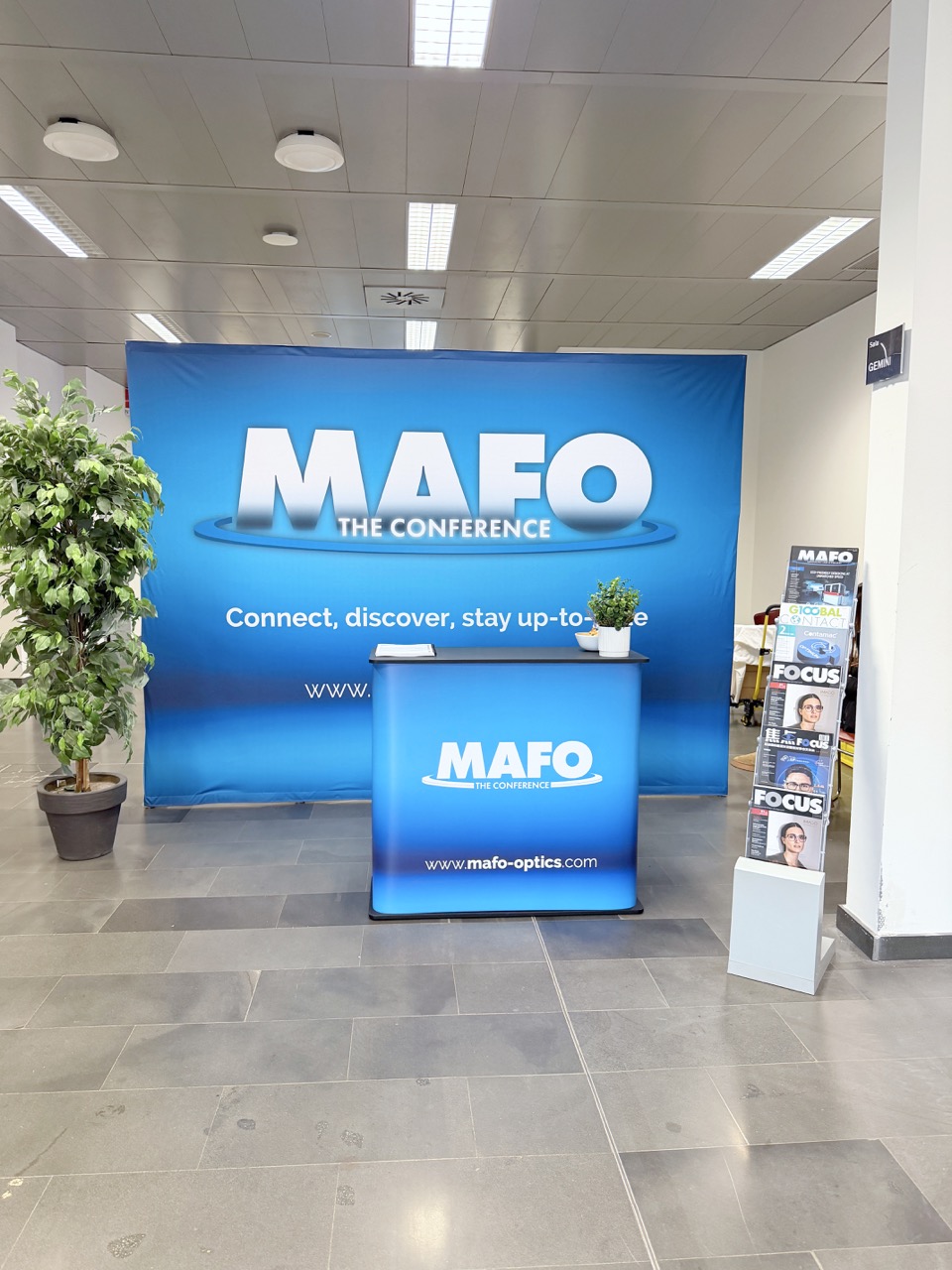
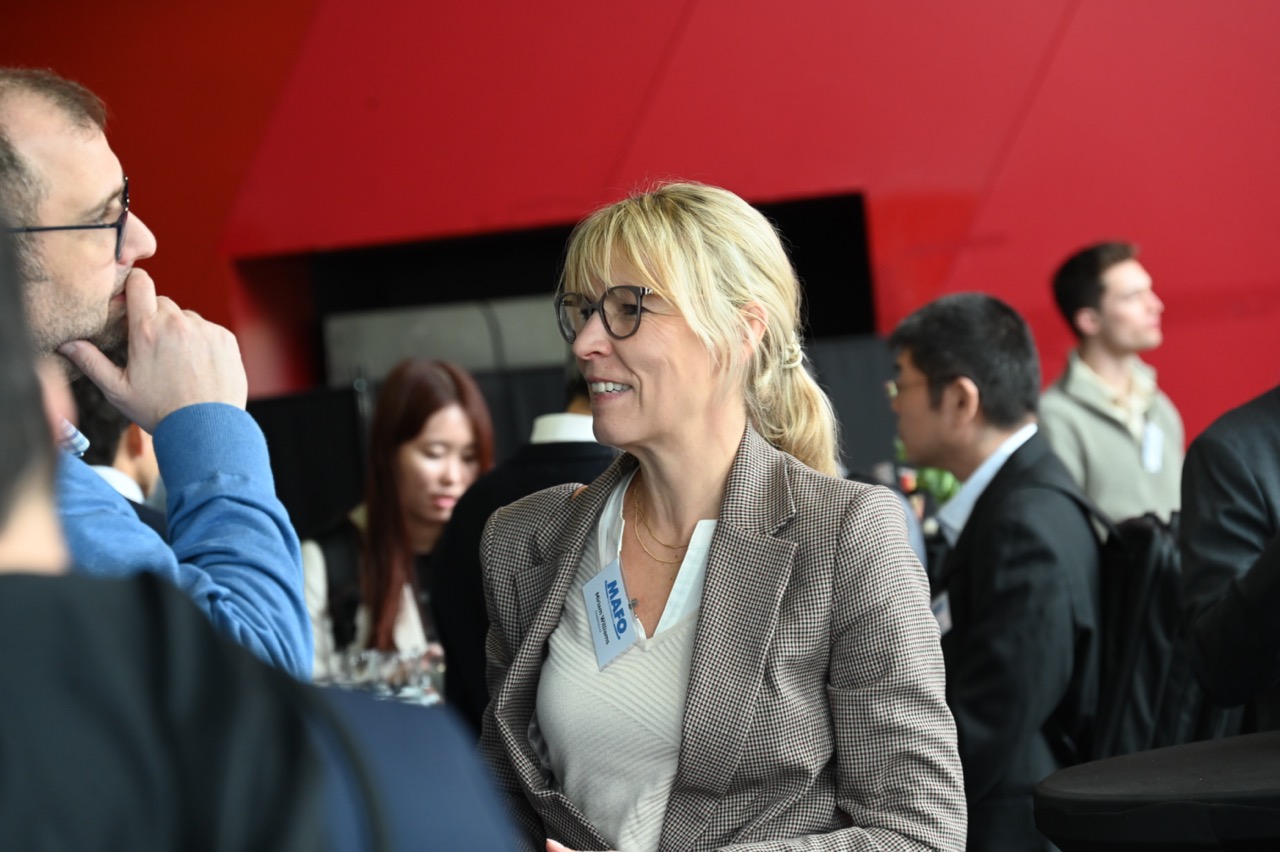
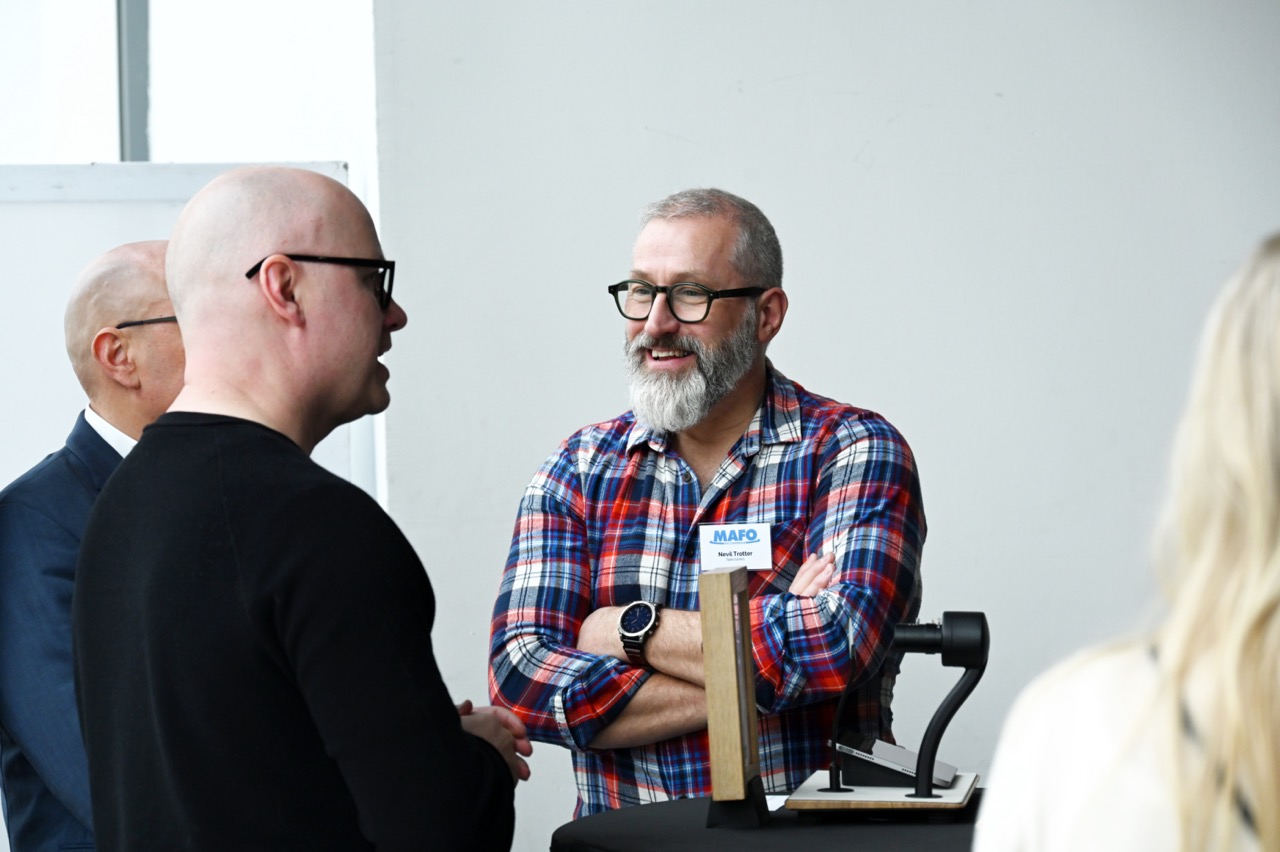
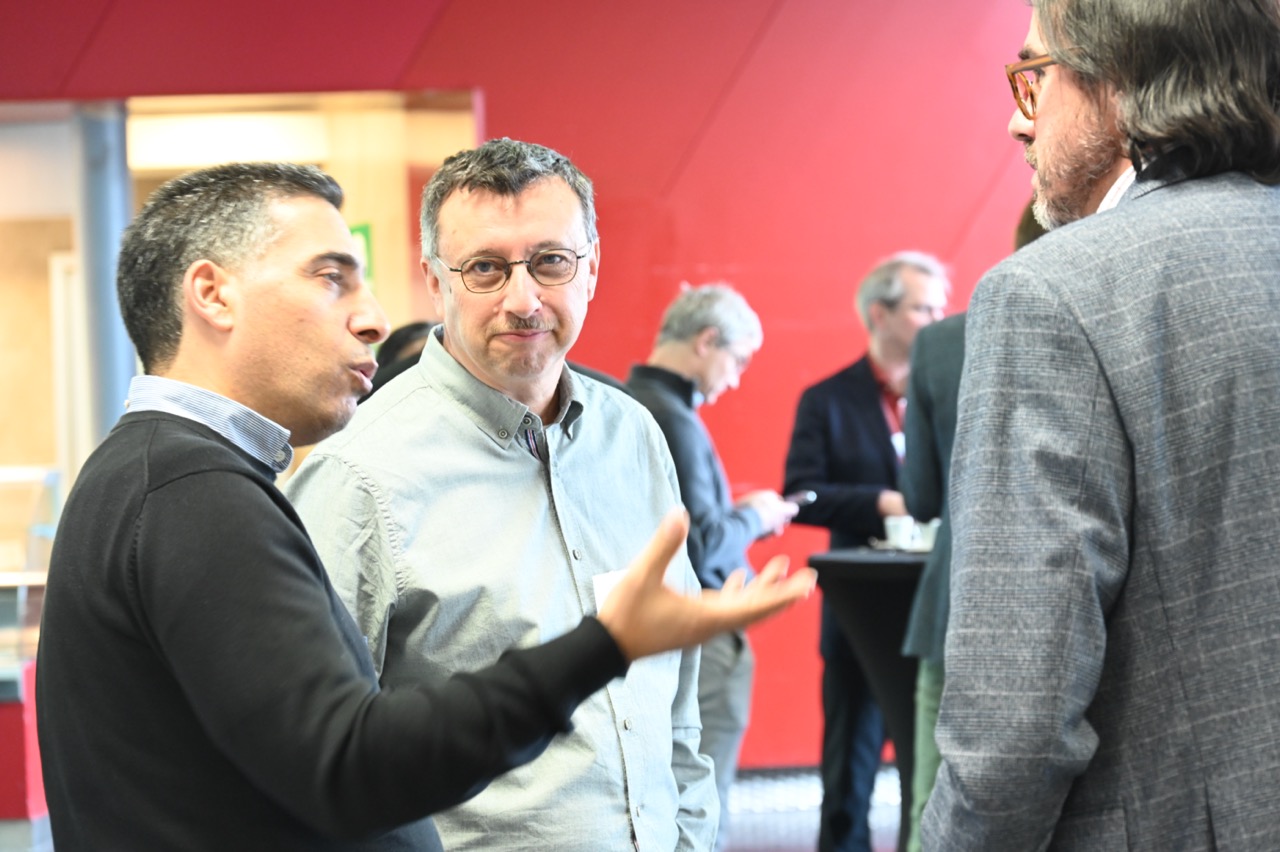
How are spectacle lenses created using additive manufacturing? What do smart glasses have to do with myopia management? Or what might blockless manufacturing look like in the future? These and many other topics were presented and discussed in detail at the 24th MAFO – The Conference in Milan. Growing every year, the event is establishing itself as an important kick-off event ahead of Mido, especially for spectacle lens experts. Here, they can learn everything about the latest technologies for lens manufacturing and other trends in the field of spectacle lenses and smart technologies.
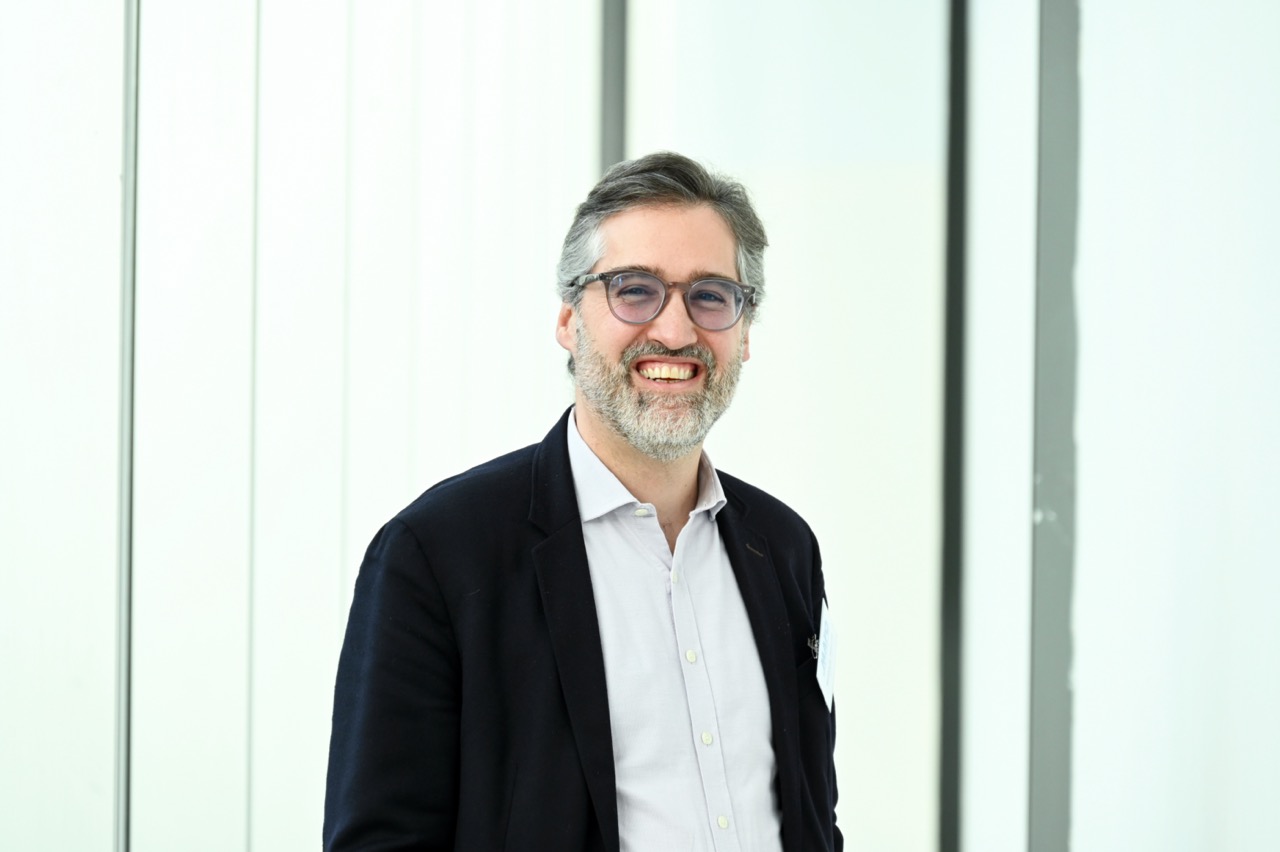
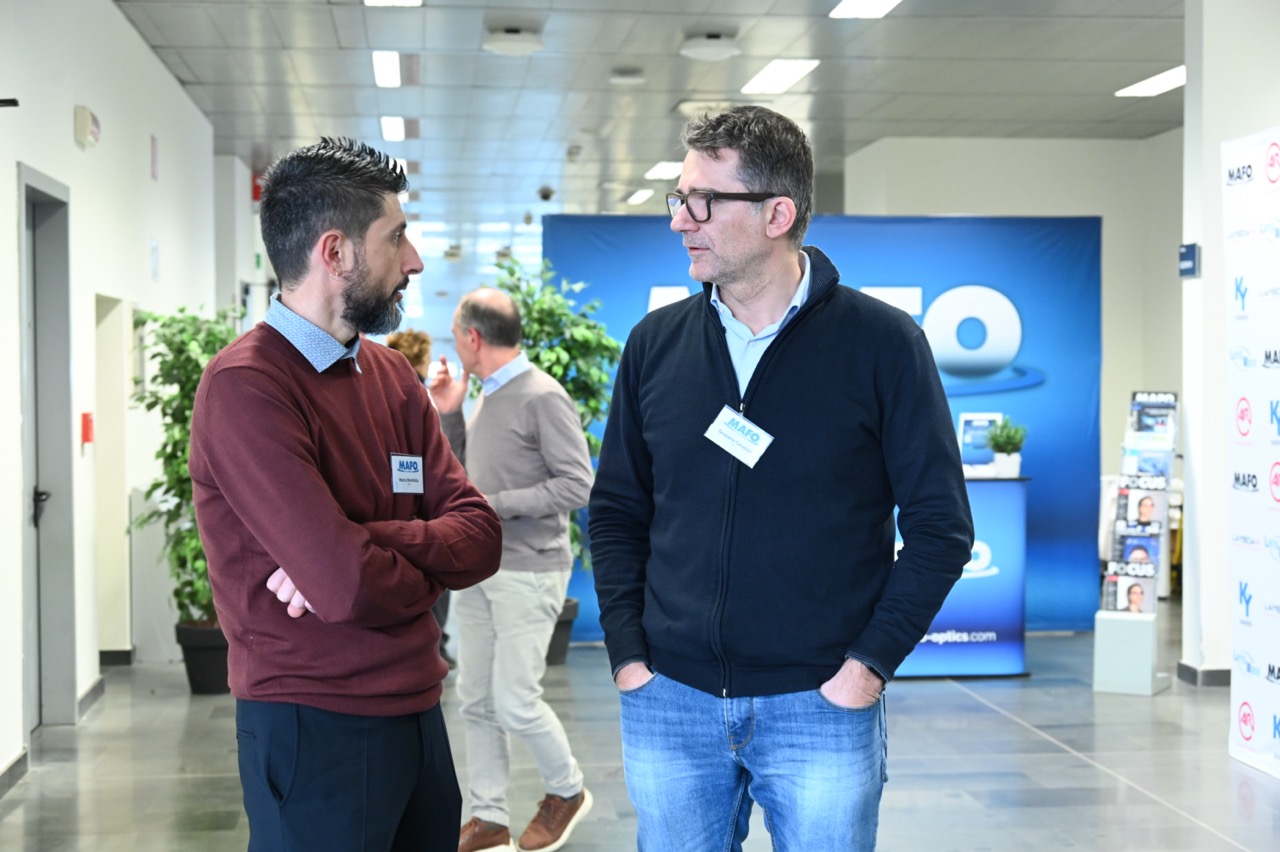
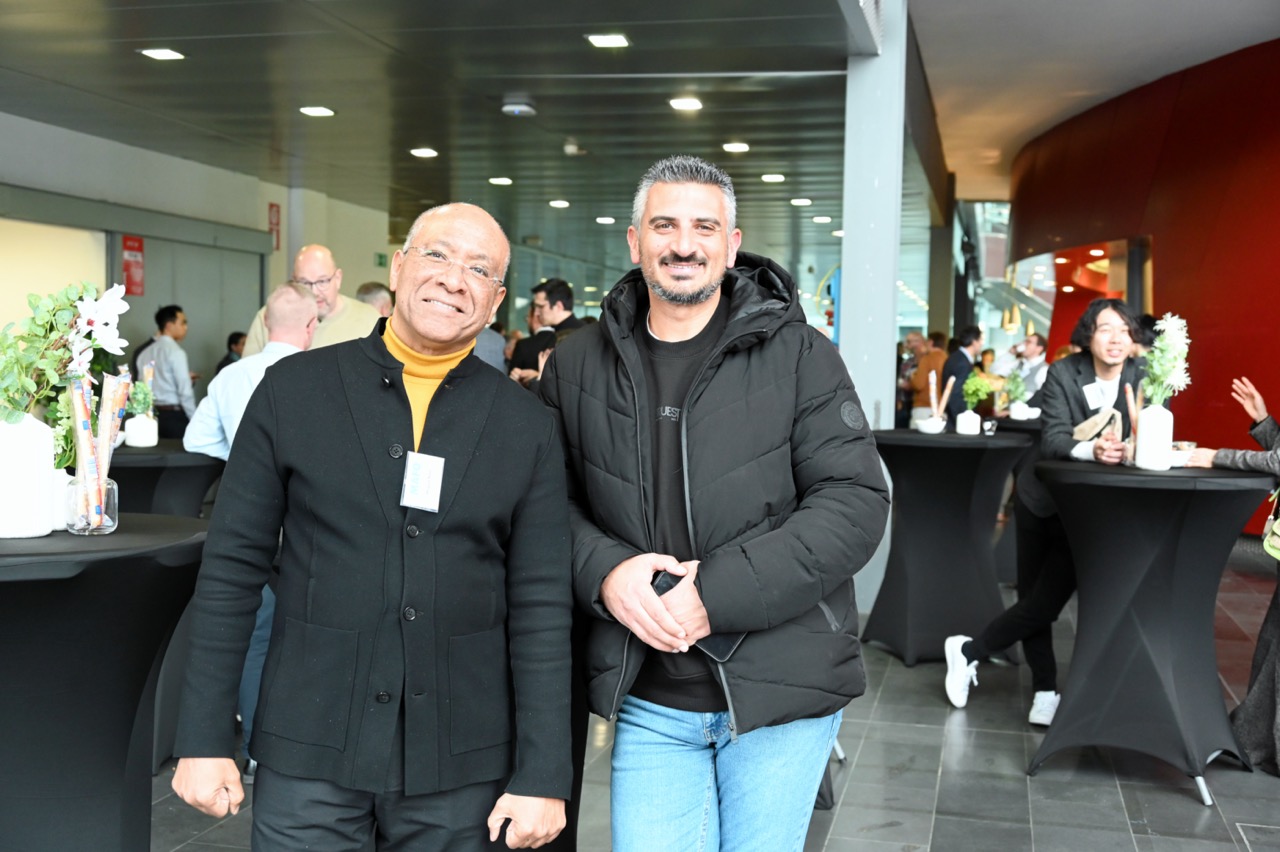
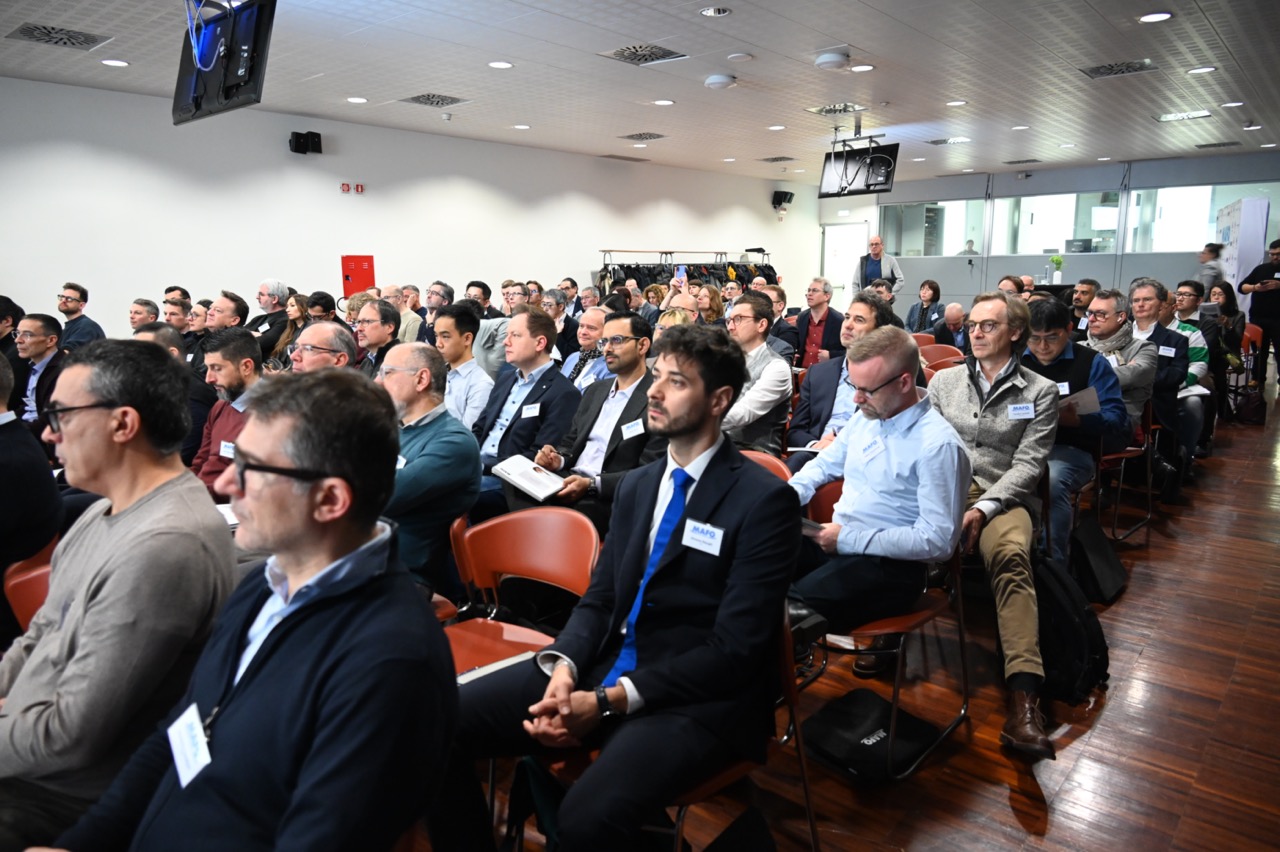
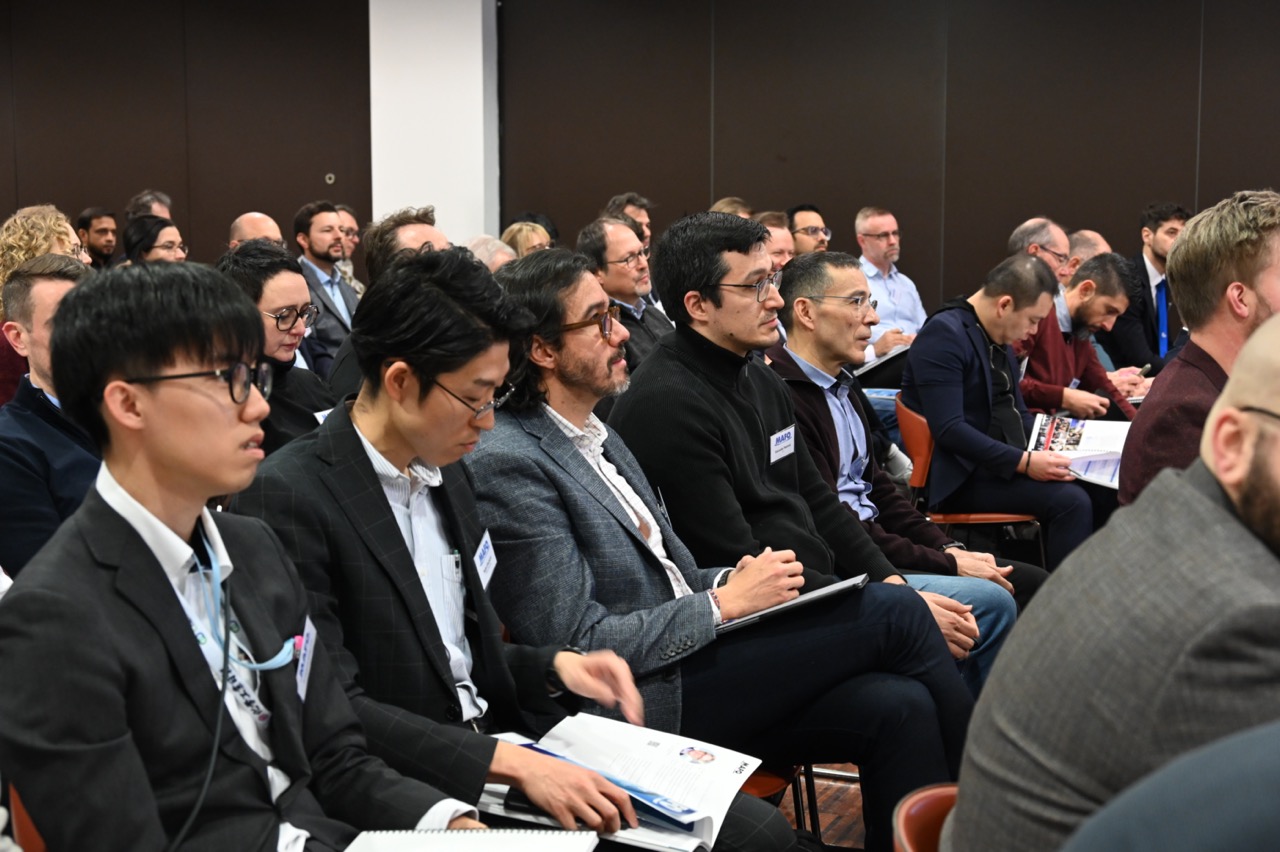
130 participants gathered on January 30, exactly one day before Mido in Milan. This meant that the conference recorded an increase in visitors of more than 30% compared to the previous year. The visitors came from 23 countries from around the world. Among them were representatives from the machine industry, experts from labs, and experts from the field of spectacle lens development.
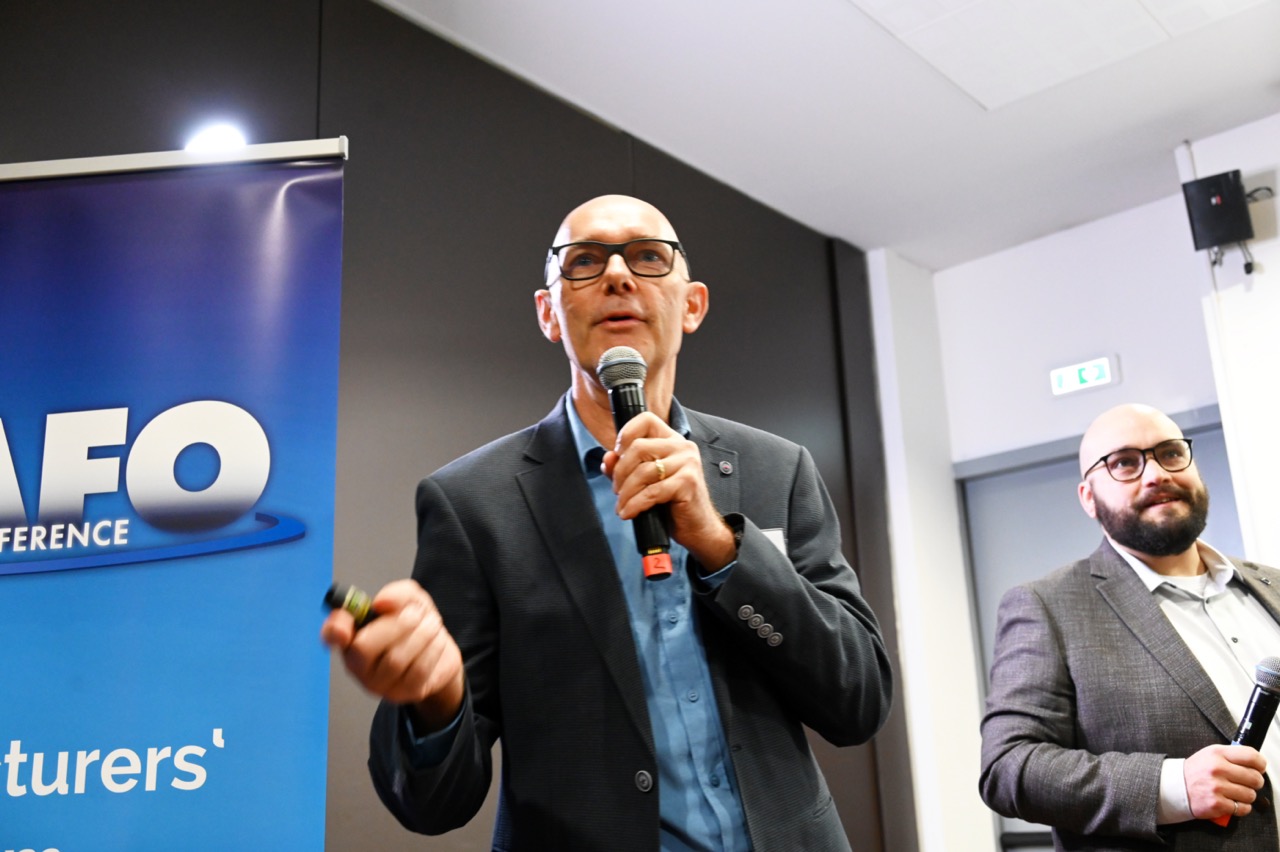
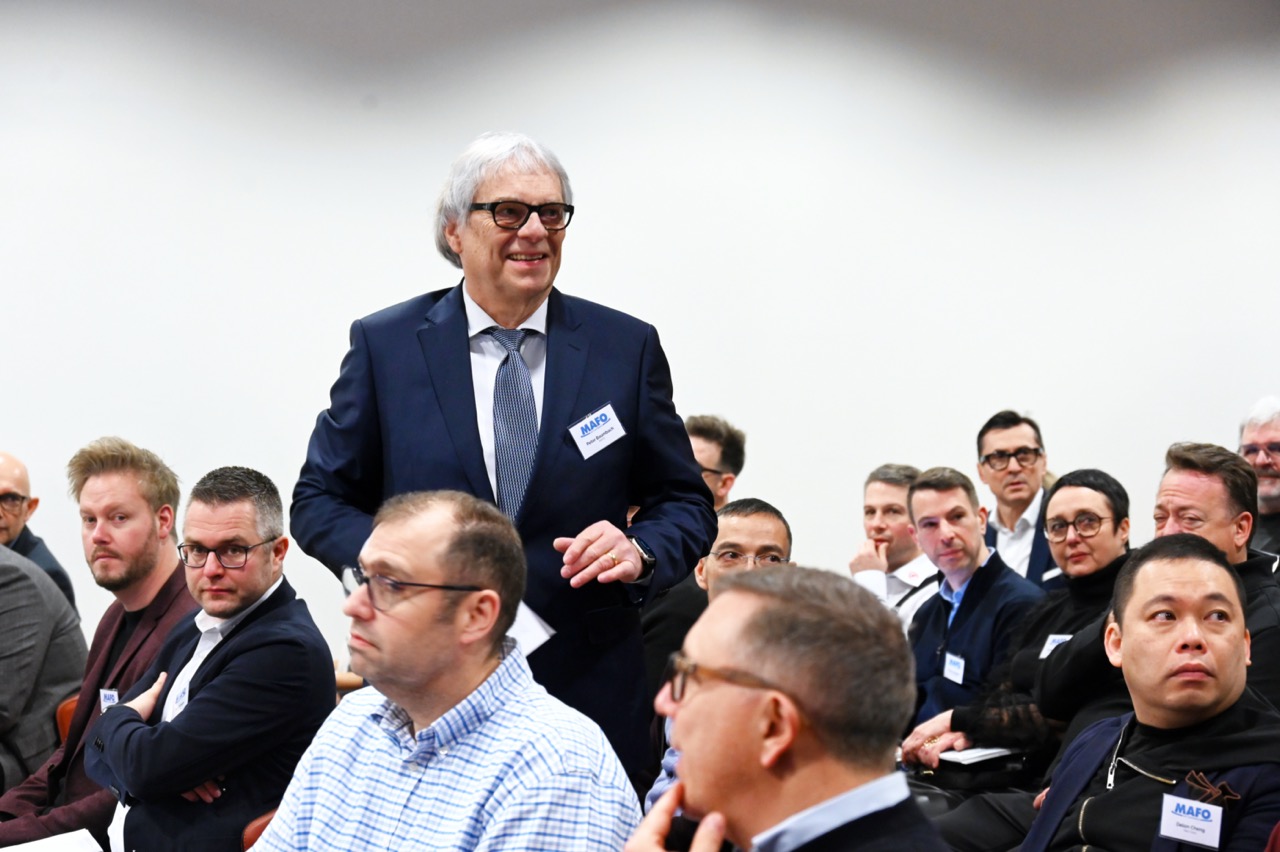
A total of 14 speakers gave 12 presentations, enriching the conference with talks on the latest technologies and innovative products. The conference was chaired by Peter Baumbach, long-standing chairman and spectacle lens expert. At the end of the day, the MAFO – The Conference Audience Award was presented for the first time. But let’s start at the beginning.
“We are on your side and we try to fix vision”
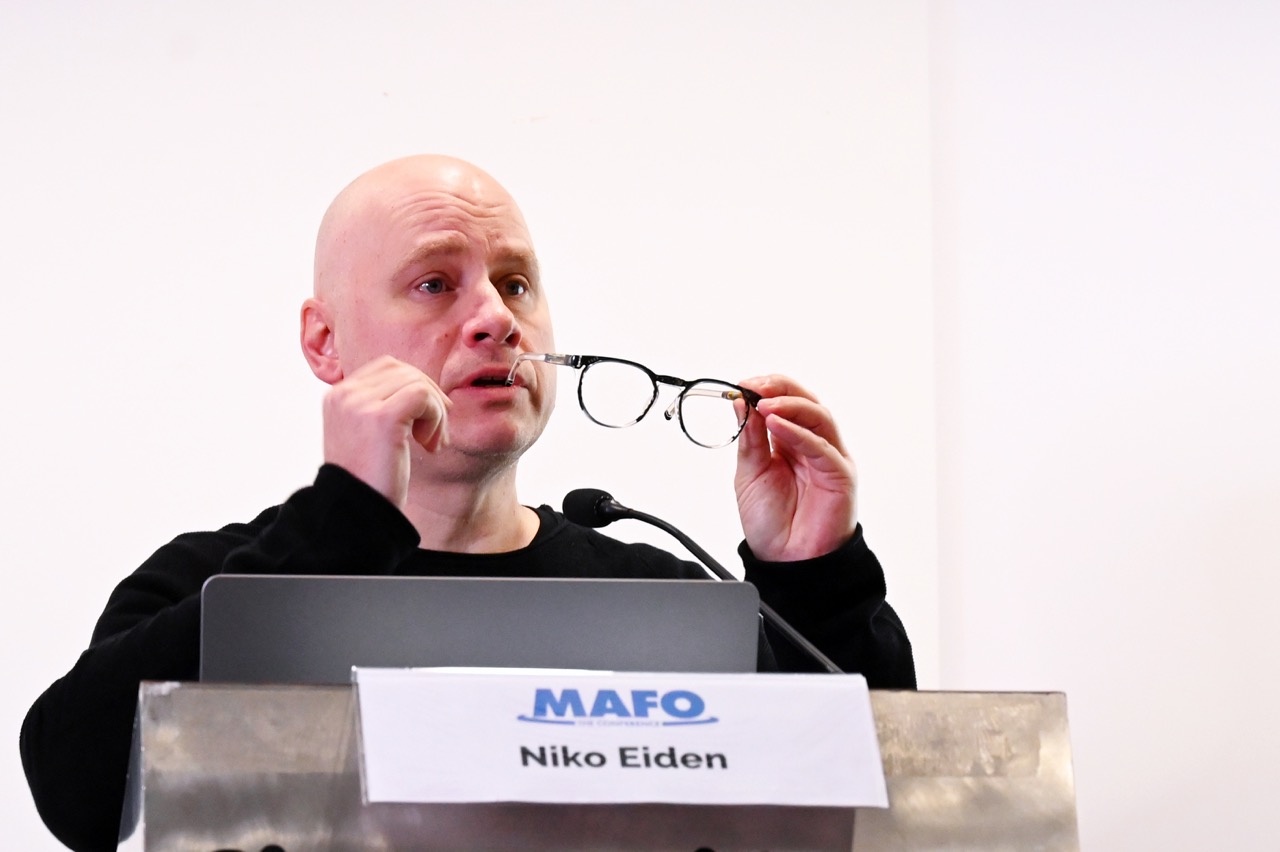
Glasses that automatically adjust their focus as easily as a camera. That is the vision of IXI Eyewear and its ambitious CEO Niko Eiden. Eiden was the first speaker at the conference to provide exclusive insights into the technology behind autofocus glasses and the long road to market-ready products. IXI glasses work on the basis of liquid crystal lenses and an integrated eye tracker, aiming to provide adjustable focus. The eye tracker uses a simple, low-power method based on light refraction from the pupil to determine gaze dynamics. In addition, the eye tracker can also be used to analyze the user’s viewing habits.
The CEO made no secret of the fact that there were and still are a number of hurdles to overcome in the development process. However, he is equally certain that these will soon be overcome. In addition to the eye tracker, issues such as the range of optical power and transparency are also important topics that have been and continue to be worked on. All of this is done in-house in the company’s own lab in Finland. For marketing, on the other hand, the company relies on partnerships with opticians. Later in the day, it was announced that IXI Eyewear had entered into a partnership with the French optician networks Atol and Vizio.
The blockless vision
Andy Huthoefer and Alexandre Cormier from Satisloh gave the second presentation of the day on a new vision for lens surfacing by going blockless. The two experts explained the advantages and technology behind this innovation. The core idea is to eliminate the blocking process in lens manufacturing, thereby simplifying the process chain. The presentation outlined the functions of blocking, the advantages of going blockless, and the key components and processes involved in their blockless solution. The company uses approximately 400 individual pins to provide the best possible support for the lens. In addition, it should be possible to process almost all types of lenses, and the throughput should be similar to that of the company’s well-known and established generator.
Thermal antifog for winter sports enthusiasts
“Are there any winter sports enthusiasts here?” Fabrice Bagnoud from Solabs Nanotechnology begins the third presentation of the day. If so, then the following situation will certainly be familiar: “You are outdoors, you are having fun, then you stop, you breathe, and suddenly your glasses fog up.”
This is a familiar problem for which the start-up has a solution. An anti-fog technology that uses a semi-continuous metal layer embedded in a high refractive index material to absorb infrared light. This gently warms the lens surface, reducing condensation. It is compatible with other coatings and can be applied to various substrates. However, it reduces transparency slightly (around 80% transparency) and is therefore especially suitable for sports eyewear, sunglasses, and goggles. It requires infrared light (sunlight or LEDs) to activate.
About true human intelligence
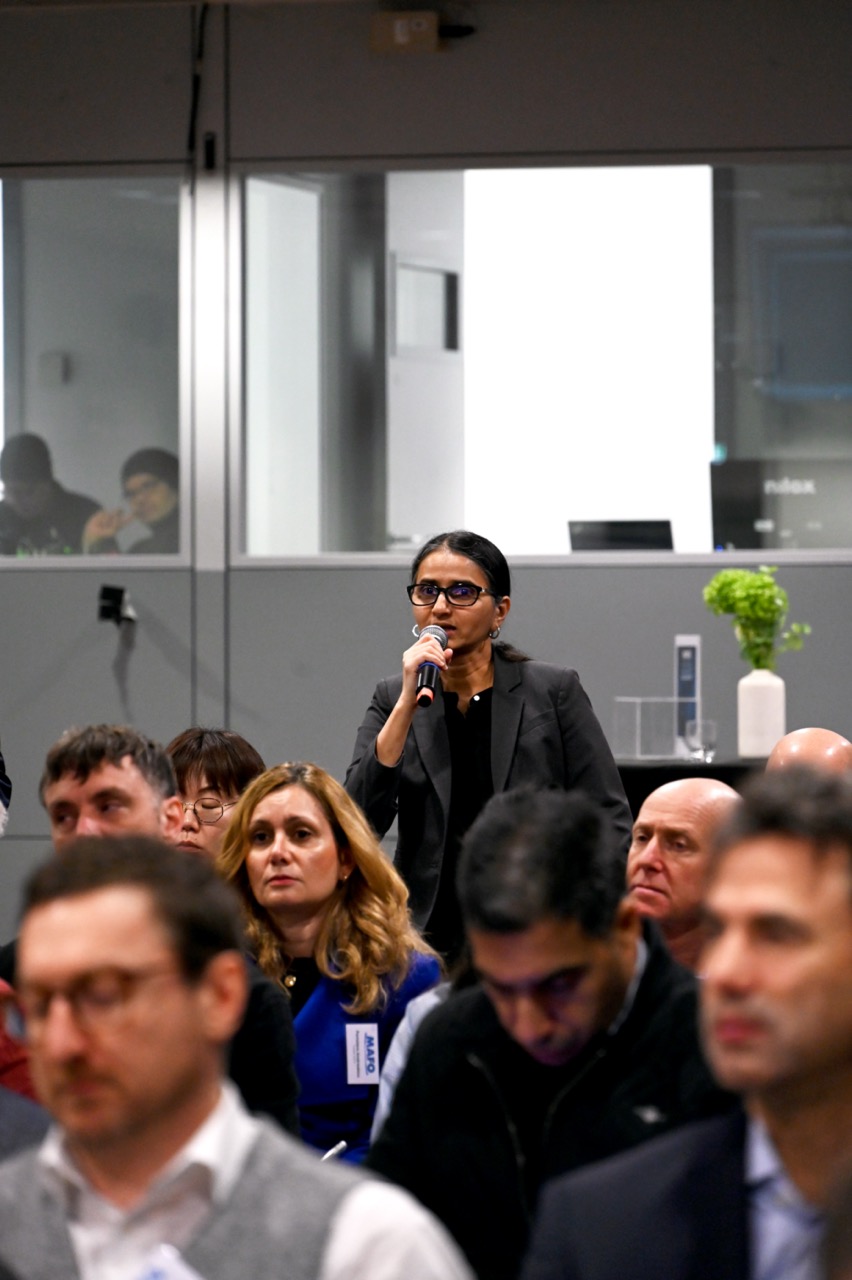
The next lecture by Dr. Bernd Freyermuth from Lensware focused on a modern Lens Management System (LMS) IT architecture design. In general, the goal is always good integration, automation, efficiency, and optimized productivity in labs. However, the individual needs of each lab must then be considered. Standardization is currently an extremely important topic.
On the other hand, Freyermuth takes a somewhat critical view of the current AI hype, as he believes that true AI is often not used in the industry. He also emphasized the engineering approach to Lensware software and that this was developed thanks to human intelligence and not AI. To make IT integration a little more tangible for the audience, Freyermuth also brought Ionut Ladariu from Interoptic Romania onto the stage. He gave a report on his experience with a complex LMS integration, highlighting the challenges of maintaining flexibility and the solution of running two LMSs in parallel for over a year.
The EU market
The following presentation by Roland Lorek shared market insights on the optical industry in Europe, focusing on consumer behavior, market developments, and sales data for spectacles and lenses across France, Spain, Italy, and Germany. It leverages data from GfK/NielsenIQ. Overall retail sales value of spectacles and lenses in the four countries, showing growth despite economic challenges. Price increases of spectacle lenses (total) also reflect a changing product mix with a rising share of progressive lenses.
PFAS: Time is running short
Carsten Leutloff, representative of the German industry association SPECTARIS, explained the planned EU-wide restriction on PFAS substances and its impact on the lens industry. The restriction is very broadly defined and affects manufacturing, placing on the market, and use in almost all forms.
“That is why this ban represents a significant challenge for all of us,” stressed Leutloff. He emphatically explained that the spectacle industry is heavily affected, and that time is running out to achieve an exemption. To represent the interests of the industry, a comprehensive report has been prepared and submitted to the ECHA.
Cosmetic inspection with a modular approach
After many good discussions and a hearty lunch, Dr. François Van Lishout from Automation & Robotics took the floor. The presentation emphasized that implementing automated inspection in optical labs requires a modular and adaptable approach, rather than simply installing a machine and expecting it to replicate human operator performance.
Furthermore, the presentation outlined why inspection should be modular, tailored to each lab’s specific needs, and evolve over time. Data, for example, is crucial for understanding lab-specific contexts, operator practices, and evolving quality standards.
Van Lishout also addressed the challenges of comparing machine performance across different labs due to varying cleanliness levels, operator interpretations of quality standards, and more: “Don’t compare numbers that are not relevant if you don’t know the context” is Van Lishout’s message. The key should be to train the machine within the specific lab environment and “both can learn from each other. The operator from the machine and the machine from the operator.”
It does not always have to be AI
Another presentation on the topic of Lens Management Systems (LMS) was given by Dan Baker from Ocuco. The presentation discussed the role of AI and data practices in modern LMS systems. While the company does not currently use AI in its software or for software creation, customer interest in AI is high. However, according to Baker, the key to successful lab operation is not necessarily AI adoption, but rather disciplined data practices, reliable automation, and well-mapped workflows. Modern LMS systems are evolving from historical data recorders to active orchestrators of lab workflows, controlling the present and anticipating future states to optimize production, improve turnaround time, and manage increasing product complexity.
Next-gen edging
Next-generation edging was the topic presented by Sebastian Schneider from Schneider. The speech discussed next-gen edging technology, focusing on current and future trends and expectations for a future-proof edger. Schneider detailed how to achieve effectiveness and efficiency through design, multi-station layouts, and optimized workflows. It also addressed challenges like lens slippage and contamination, proposing solutions like edger conditioning. Sustainability is also an important issue for the edging of the future, which is being addressed through reduced energy consumption, waste management, and the use of low ionizers for cleaner machines and lenses.
In addition, constant monitoring of the lenses is an important issue so that errors can be corrected immediately and not only after a lot of unnecessary waste has been produced.
Empowering labs
The talk by Simone Mangili from MEI presented a vision for transforming lens production through blockless and dry-cut technologies, for example. By removing traditional blocking, cooling, and transport steps, production time, costs, energy use, water consumption, and risks of defects can be significantly reduced. Mangili highlighted also the efficiency gains and integrated quality control. Real-world data shows notable cost reductions and high precision. The speaker emphasized that these innovations raise industry standards and prepare manufacturers for future market demands.
What smart glasses have to do with myopia management
Balthazar Masurel from EssilorLuxottica addressed the next highly relevant topic. Myopia management was completely rethought at this point by linking this important issue to smart glasses. For Masurel and EssilorLuxottica, myopia management is generally a key focus area. “If you look at the reality, even in this decade, between 2020 and 2030, we will have an increase of more than 100 million children becoming myopic globally […] our goal altogether is to make myopia a new standard of care for any myopic or even pre-myopic child.”
To achieve this, Masurel advocates collaboration between all stakeholders in an open network, from industry to doctors, parents, teachers, etc., who are often the first to notice that children have poor vision. Experts now know more and more and are also conducting in-depth research in the field of neuroscience to understand the mechanisms of action in detail. The newly presented Essilor Stellest Smart Glasses are designed to further support this “universe” by providing information about the wearing time and wearing patterns of children.
Additive manufactured ophthalmic lenses in three minutes
The last and eagerly awaited presentation was given by Dr. Daniel Crespo and Dr. José Alonso from IOT. The two experts presented an innovative technology that allows spectacle lenses to be produced in just three minutes using an additive manufacturing process. A detailed report on this can be found on page 16. The amount of attention the topic attracted was also evident after the presentation, with many questions from the audience.
And the winner is …
The day ended with a conference first: the presentation of the first MAFO – The Conference Audience Award for an “Outstanding Presentation.” The audience was asked to vote on which of the 12 presentations stood out in terms of inspiration, relevance, soundness, and overall presentation style.
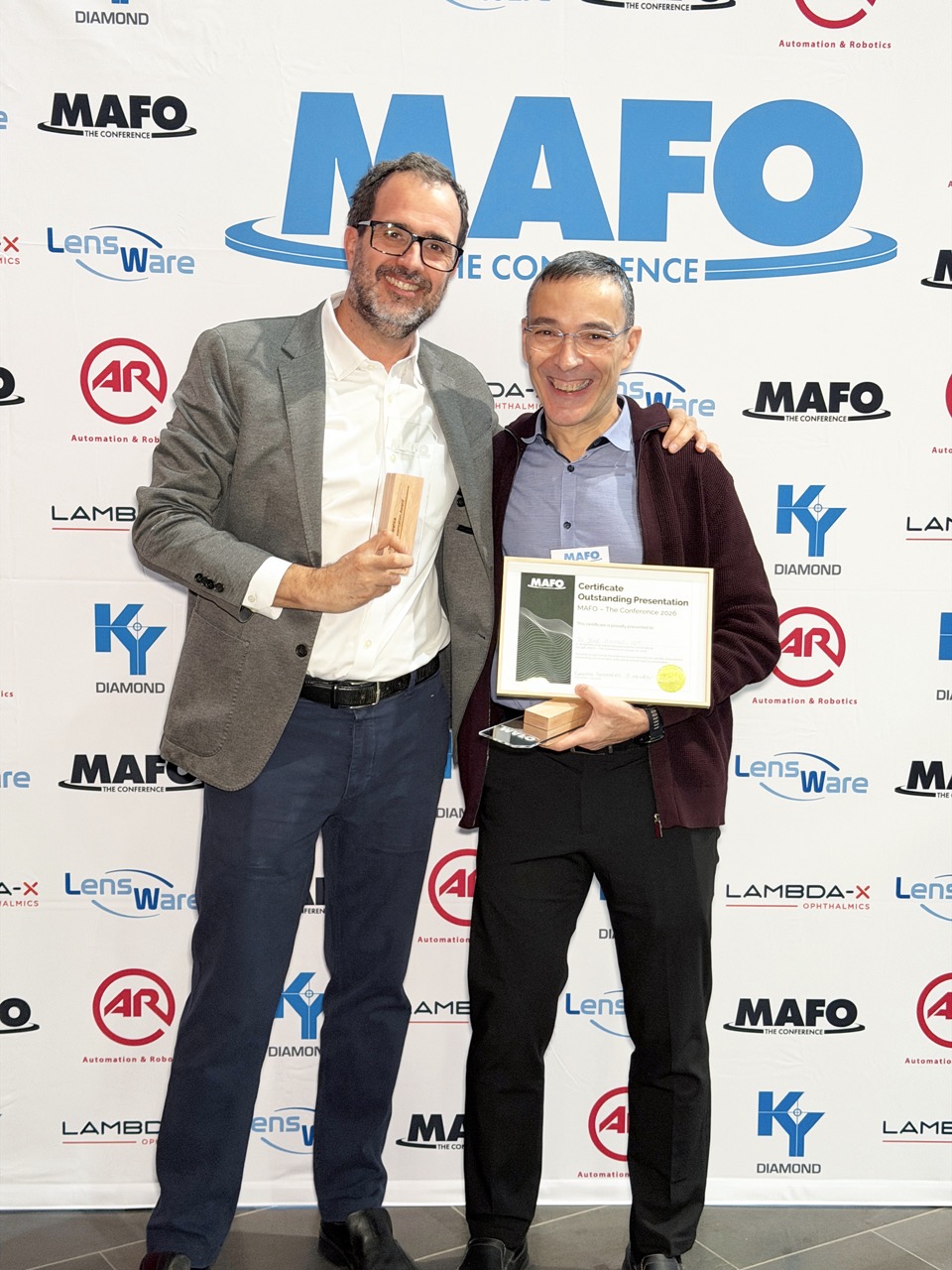
A technical problem caused some laughter, as the audience was unable to vote by cell phone as planned. Instead, voting took place in the traditional way on paper. This required a little patience from the participants, who had to wait until the organizers had counted all the paper slips.
But finally, the award went to Dr. Daniel Crespo and Dr. José Alonso from IOT for their presentation of the new additive manufacturing process light-form for producing spectacle lenses.
The MAFO team would like to extend a special thank you to all the other conference speakers and the chairman, Dr. Peter Baumbach!
In 2027, MAFO will celebrate a special anniversary with the 25th MAFO – The Conference. Save the date now: February 5, 2027, in Milan (as always, on the Friday before Mido).