
Do children use myopia control lenses as expected?

Exploring how children interact with Asymmetric Peripheral Defocus Lenses (MPDLs)
Over the past ten years, a variety of new optical approaches have been developed to slow down myopia progression. These developments include lens designs with defocus zones, or the incorporation of optical defocus elements such as rings or micro lenses to generate peripheral myopic defocus. Clinical and experimental evidence supports that such optical strategies can effectively slow down axial elongation, a key factor in the progression of myopia [1]. However, despite the widespread clinical use of myopia control lenses, very limited attention has been paid to how these designs are used by children during everyday visual tasks.
By Dr. Eva Chamorro, Jose Miguel Cleva and Dr. Pablo Concepción
More specifically, it remains unclear whether children look mostly through the central correction zone or the peripheral treatment zones. This matters because it could influence both the efficacy of the treatment and the children’s comfort.
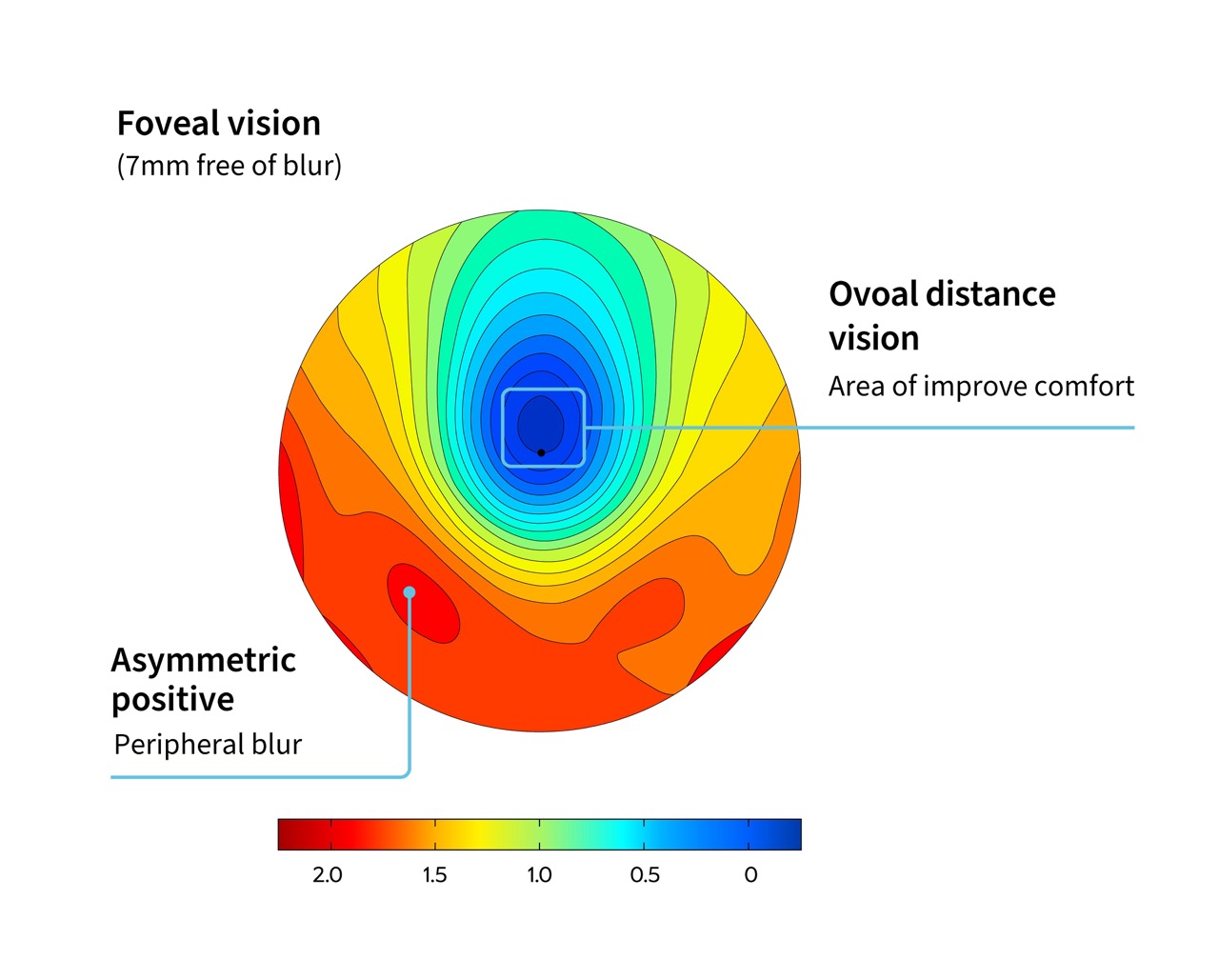
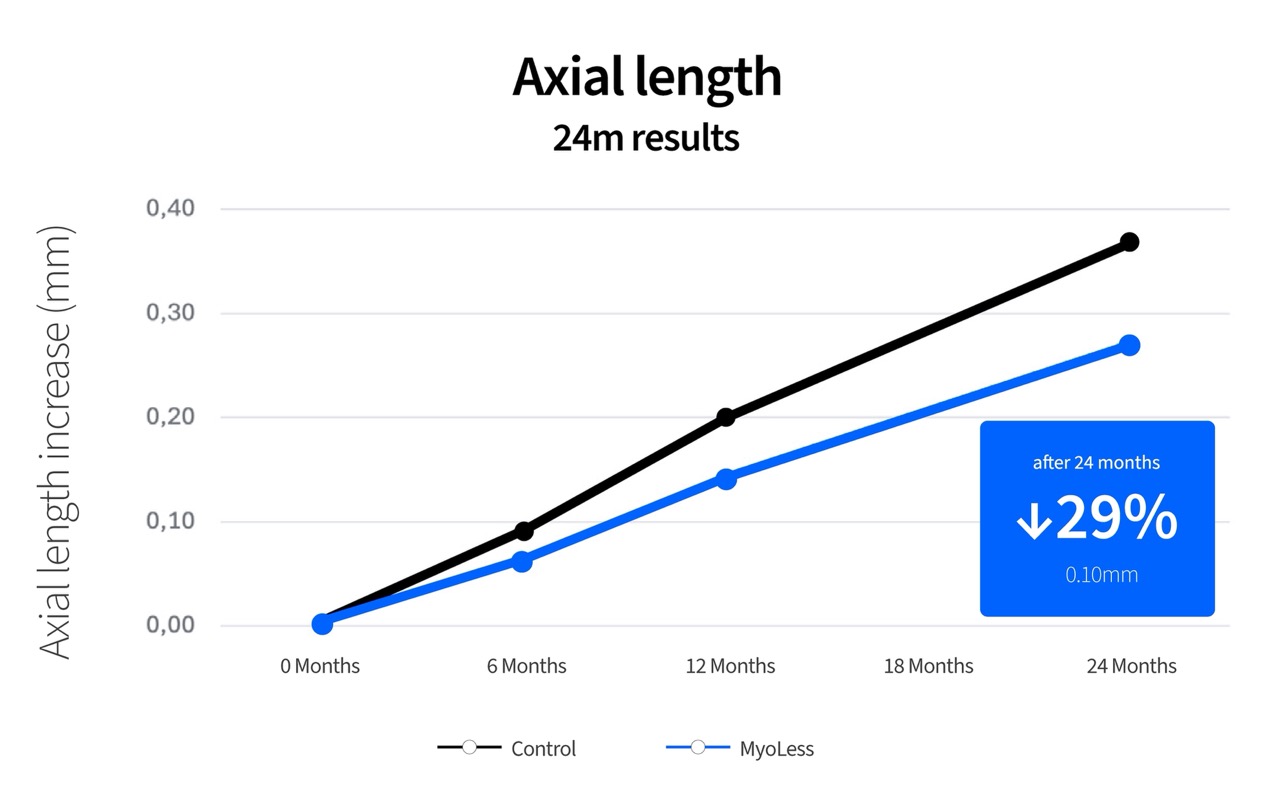
In this context, MPDLs (MyoLess, IOT, Spain) represent an especially interesting case. This lens combines a central blur-free optical zone with an asymmetrically distributed peripheral myopic defocus. This design has already demonstrated sustained clinical efficacy in reducing axial elongation in European children [2]. Yet, as with other myopia control lenses, it remains unclear how children visually interact with this asymmetric optical profile in real-life conditions.
Exploring how children use MyoLess lenses therefore offers a unique opportunity to link optical design, visual behavior, and clinical outcomes, opening a new and largely unexplored dimension in the evaluation of myopia control strategies.
Eye-tracking insights into myopia control lenses
Eye-tracking technology has become an increasingly valuable tool for studying visual behavior, providing objective and precise information about where and how individuals direct their gaze during visual tasks. By continuously recording eye movements and pupil position, eye-tracking systems allow researchers to reconstruct gaze trajectories, fixation patterns, and areas of visual attention with high temporal and spatial resolution [3].
In vision science, eye-tracking has been widely used to investigate reading behavior, visual search strategies, and eye–head coordination, as well as to assess visual performance in both adults and children. More recently, these systems have also been adapted to study how wearers of ophthalmic lenses interact with them, enabling the identification of the specific regions of the lens that are effectively used during different visual tasks [4].
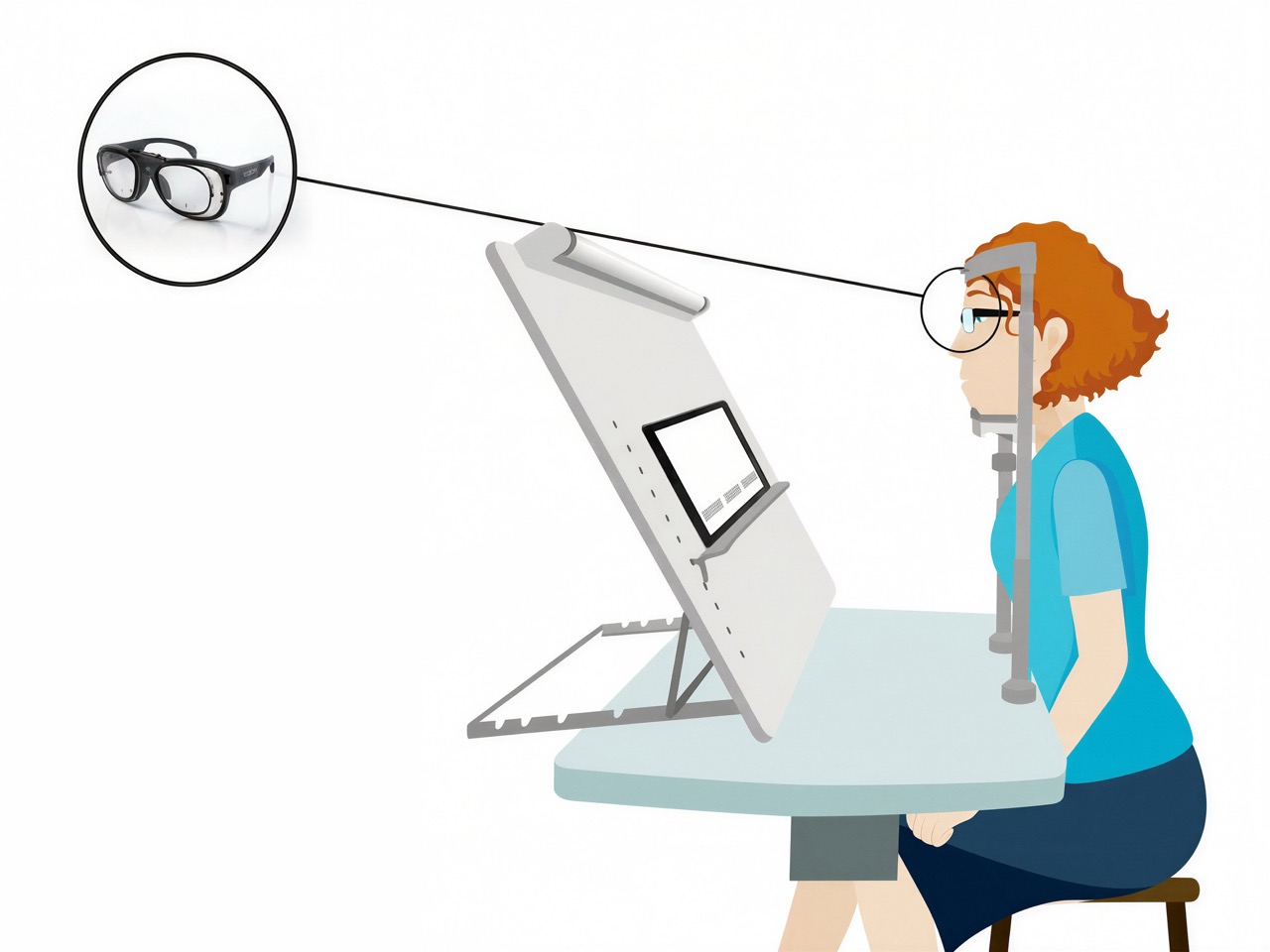
Applied to myopia control lenses, eye-tracking offers a particularly powerful perspective, as it makes it possible to directly observe how the optical design is used by the wearer. By projecting gaze positions onto the lens surface, eye-tracking allows researchers to quantify regions of use, assess the relative contribution of central versus peripheral viewing, and analyze changes in visual strategies across different viewing distances.
Gaze patterns in children using MPDLs
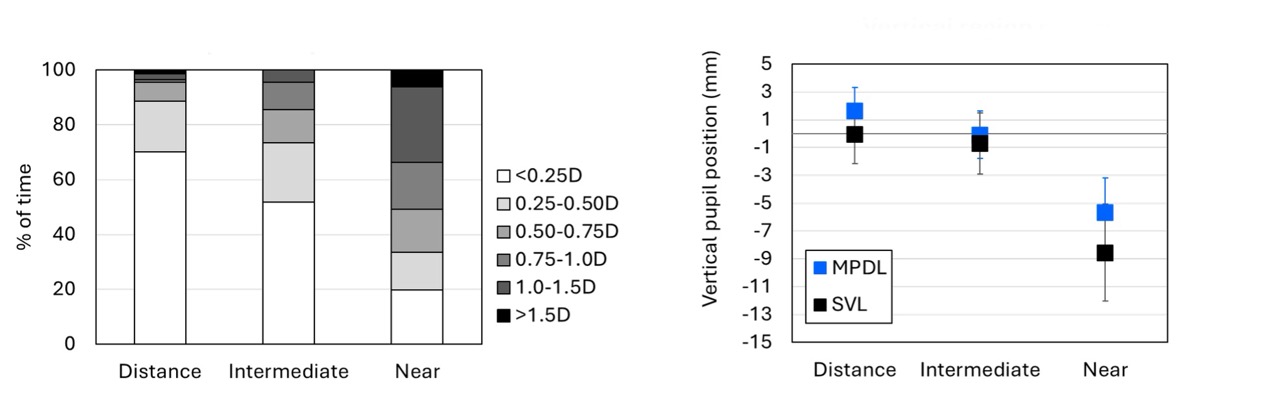
An experiment conducted by IOT showed that after wearing MPDLs for over a month, children established consistent viewing habits depending on the task [5]. Eye-tracking analysis shows that, across all viewing distances, children predominantly direct their gaze through the central region of the lens, where little or no additional positive power is present, ensuring clear and comfortable vision.
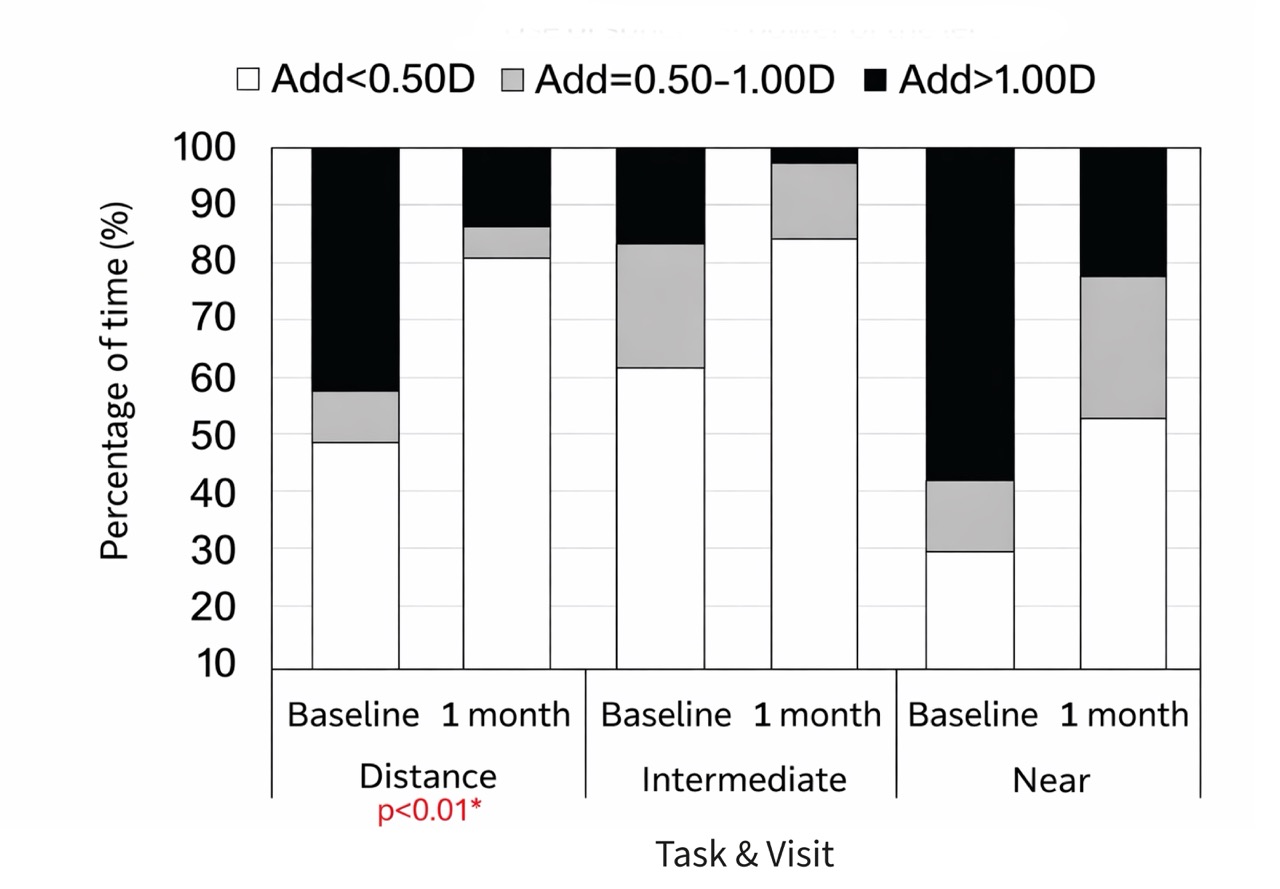
At distance viewing, most of fixations are concentrated within the central optical zone, with children spending close to 90% of the time in areas with an addition below 0.50 D. Peripheral regions with higher levels of myopic defocus are only minimally used under these conditions, reflecting the tendency to use central areas of the lens for tasks that require sharp vision.
As viewing distance is closer, gaze behavior becomes more distributed. During intermediate tasks, children still rely primarily on the central zone, but an increased proportion of fixations extends into regions with moderate levels of myopic defocus. This shift becomes more pronounced at near distances, where a substantial percentage of gaze time occurs in areas with higher addition values, including regions exceeding 1.00 D. These results indicate that near visual activities naturally involve greater engagement with the peripheral treatment zones of the lens.
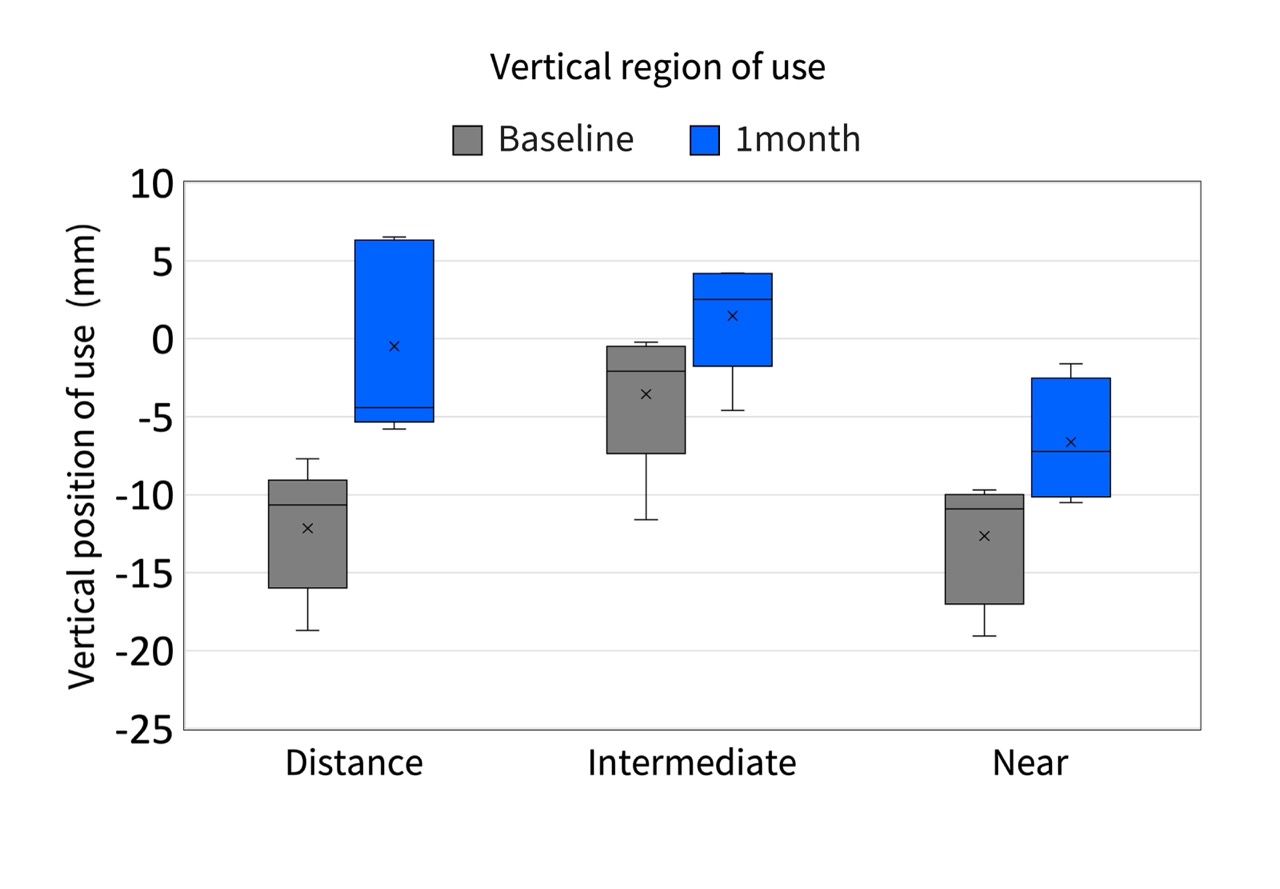
In addition to changes in the distribution of fixations, MPDLs also influence the spatial characteristics of lens use. Compared with single-vision lenses, children wearing MPDLs exhibit a narrower lens usage area and a tendency to position the pupil closer to the fitting cross, particularly at intermediate and near distances. This suggests a modification in gaze strategy that balances visual sharp vision with the optical characteristics of the lens design.
Overall, these findings demonstrate that children interact with MPDLs in a structured and task-dependent manner, predominantly using the central zone of the lens.
Adjustments in visual strategy during MPDLs adaptation
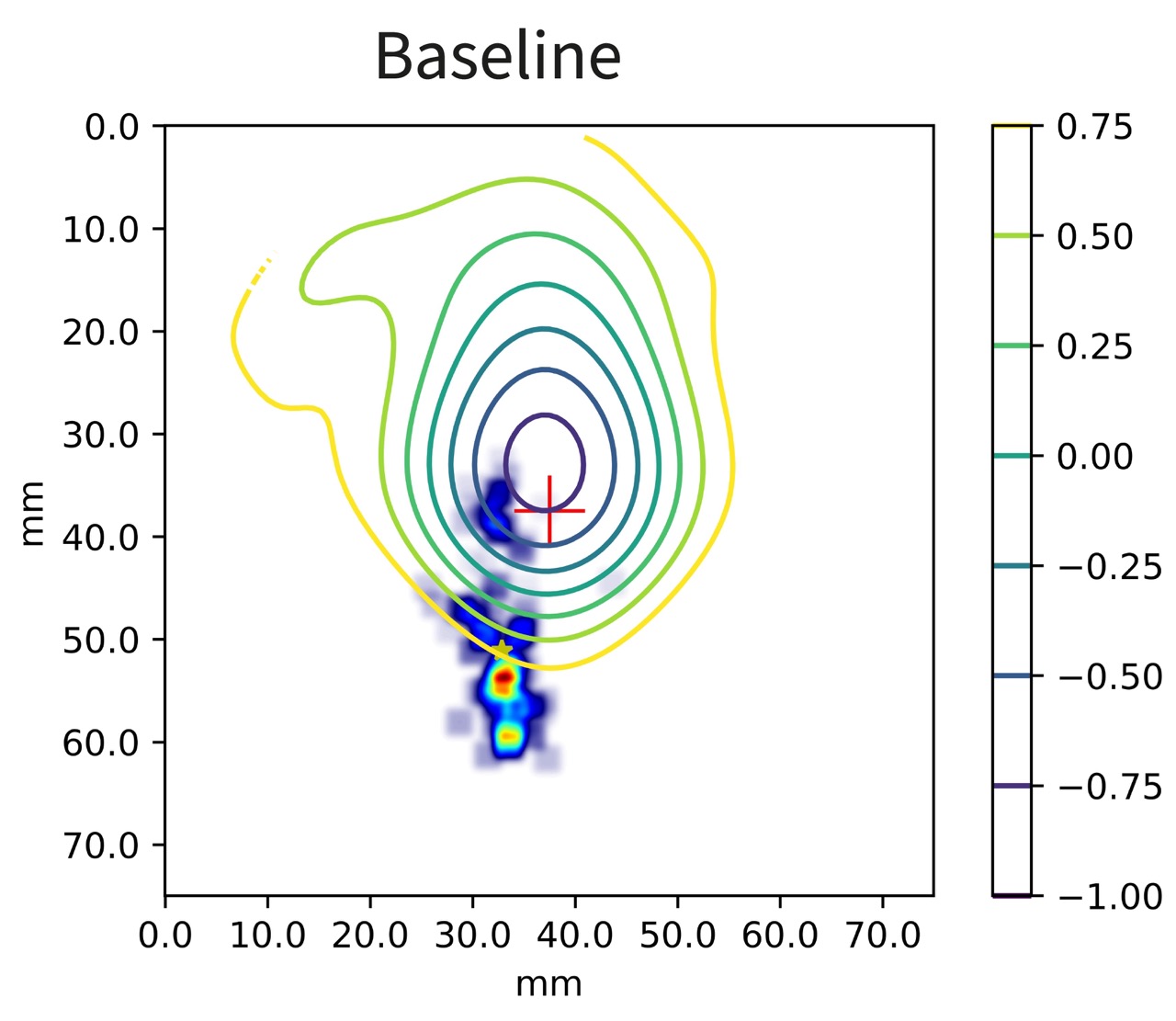
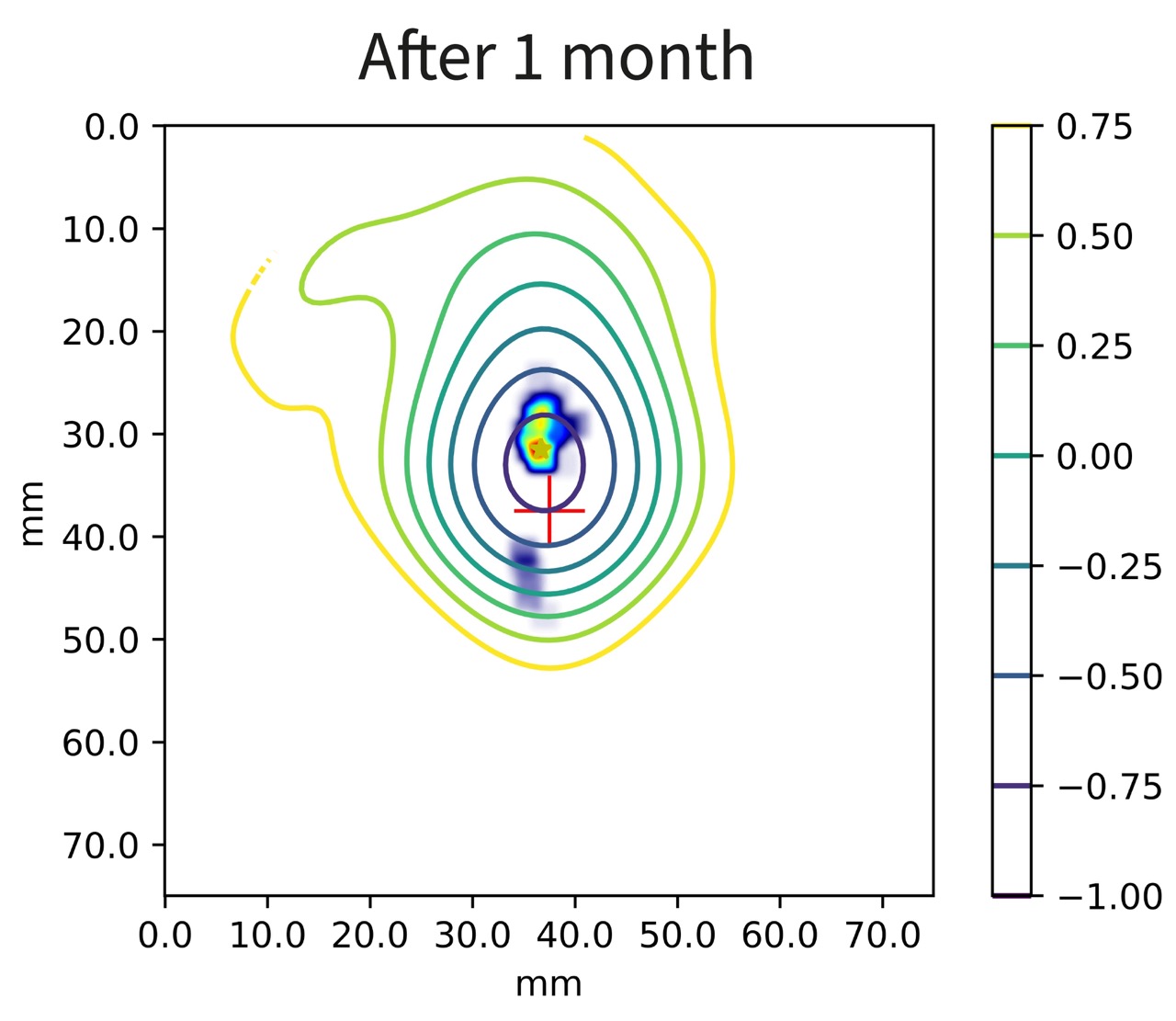
Another important point to consider is whether children adjust their visual strategy during the adaptation process. Another study conducted by IOT showed that when MPDLs are worn for the first time, children tend to explore a wider area of the lens, with fixations distributed across both central and peripheral regions [6]. As children adapt to the lenses, their gaze patterns change. After a month of regular use of the lenses, they focus mainly through the center and look through a smaller area.
This shift toward the center brings the pupil closer to the fitting cross and reduces the vertical region of use, mainly during intermediate and near tasks. These changes suggest that children learn to interact more efficiently with the optical design, favoring lens regions that provide optimal visual clarity while maintaining exposure to the peripheral defocus intended for slowing down myopia.
Conclusion: Understanding MPDLs use to understand efficacy
The use of eye-tracking systems opens a new window into how children visually interact with myopia control lenses, revealing which zones of the lens are effectively used during everyday tasks. Understanding these patterns is crucial, as they may influence treatment efficacy and guide future lens design. Further research is needed to explore the link between gaze behavior and clinical outcomes, supporting the development of more effective and personalized strategies for myopia control in children.
References: [1] Wildsoet, C. F., Chia, A., Cho, P., Guggenheim, J. A., Polling, J. R., Read, S., Sankaridurg, P., Saw, S. M., Trier, K., Walline, J. J., Wu, P. C., & Wolffsohn, J. S. (2019). IMI – Interventions myopia institute: Interventions for controlling myopia onset and progression report. Investigative Ophthalmology and Visual Science, 60, M106–M131. [2] Martinez-Perez, C., Sánchez-Tena, M. Á., Cleva, J. M., Villa-Collar, C., Álvarez, M., Chamorro, E., & Alvarez-Peregrina, C. (2025). Efficacy of Asymmetric Myopic Peripheral Defocus Lenses in Spanish Children: 24-Month Randomized Clinical Trial Results. Children, 12(2), 191. [3] Carter BT, Luke SG. (2020). Best practices in eye tracking research. International Journal of Psychophysiology, 155: 49–62. [4] Benedi-Garcia, C., Concepcion-Grande, P., Chamorro, E., Miguel Cleva, J., & Alonso, J. (2024). Experimental Method for Identifying Regions of Use of a Progressive Power Lens Using an Eye-Tracker: Validation Study. Life, 14(9): 1178. [5] Cleva, J., Chamorro, E., Benedi-García, C., Álvarez, M., & Concepción, P. (2025). Assessing children’s gaze direction with asymmetric myopic defocus lenses via eye-tracking. ARVO. [6] Chamorro, E., Cleva, J., Benedi-García, C., Álvarez, M., Cano, C., & González, A. (2025). Adaptation to asymmetric myopic peripheral defocus spectacle lenses: A pilot study using eye-tracking to evaluate children’s gaze direction. ARVO. Concepcion-Grande, P., Chamorro, E., Cleva, J. M., Alonso, J., & Gómez-Pedrero, J. A. (2023). Correlation between reading time and characteristics of eye fixations and progressive lens design. PLOS ONE, 18(3), e0281861.